Dubai's 2026 Off-Plan Realty Boom
Dubai's Off-Plan Real Estate Future in 2026: What's in Store for Investors?
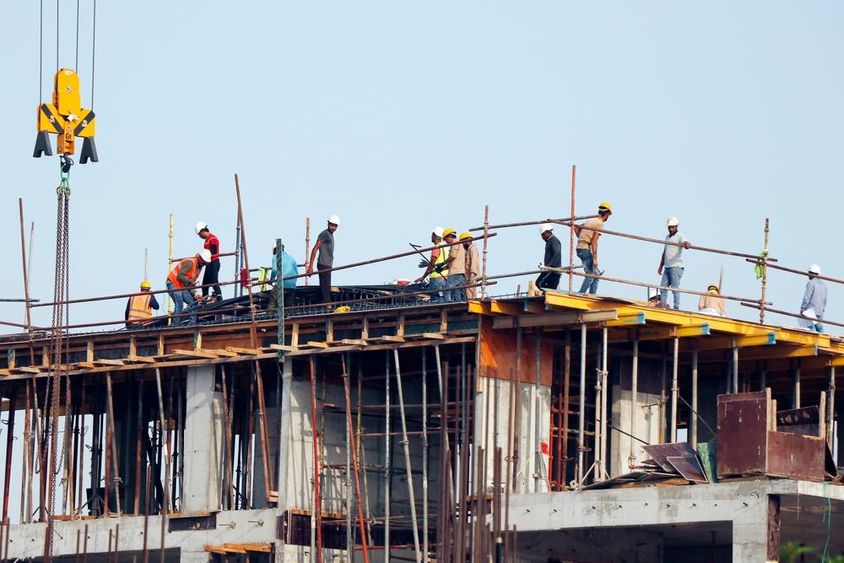
Dubai's real estate market maintained its dynamic growth in 2025, with off-plan – pre-sales of properties yet to be constructed – projects continuing to play a dominant role. According to the latest industry estimates, this trend will not only persist but strengthen in 2026. The market increasingly gravitates towards new projects, whether from local or international developers.
Why are off-plan properties so popular?
Off-plan purchasing involves residential properties that have not yet been developed but are already up for sale. This model is particularly attractive to investors, as prices are typically lower than completed properties while offering higher returns. Additionally, flexible payment schedules allow for a gradual, multi-year investment, which is particularly enticing to both local and foreign buyers.
Dubai's off-plan market is strongly driven by new, large-scale projects launched in various developing areas of the city – including Dubai South, Dubai Islands, and through new master plans from leading developers such as Emaar and Damac. Buyers increasingly seek modern, well-designed residential communities that promise long-term value growth and high rental yields.
By the numbers
In 2025, off-plan transactions accounted for over 70 percent of all real estate deals in Dubai. Over the year, more than 145,000 new off-plan residential units were introduced to the market, averaging nearly 400 new units per day. Apartment sales were particularly strong, with a 29 percent increase, boasting a circulation of approximately 325 billion dirhams, while villas and townhouses generated transactions worth 221 billion dirhams, a 26 percent increase.
In contrast, the completed, so-called “ready” market is more favorable to tenants due to lower entry prices and the possibility of immediate occupancy. Nevertheless, the majority of investors continue to focus on off-plan projects because they offer greater growth potential.
What can we expect in 2026?
Industry players expect the off-plan segment to show a further 10–15 percent growth in 2026, thanks to newly announced projects and sustained high demand. The city's new development zones – such as Dubai South and Dubai Islands – play a key role in this expansion, as they concentrate the city's future neighborhoods, featuring sustainable infrastructure and community-focused design.
The activities of major developers also suggest this trend: in the second half of 2025, Binghatti launched over 13,000 new units, followed by Damac Properties with 6,588 units, and Emaar initiated 6,262 units. Even these numbers illustrate that the market is not only active but also continually expanding.
Investor sentiment and outlook
Buyer behavior has clearly shifted towards new projects, especially in the apartment segment. Investors are becoming increasingly conscious of seeking opportunities that offer higher returns and faster value appreciation. The combination of flexible payment schedules, discounts offered in the early stages of projects, and long-term rental opportunities makes the off-plan segment immensely attractive.
Furthermore, Dubai's real estate market has been stable and well-regulated for many years. The transparent legal environment, advanced infrastructure, and an internationally trusted real estate system ensure continued market predictability and growth.
Who stands to gain the most?
Participation in the off-plan segment is particularly advantageous for those planning for the long term or purchasing for rental purposes. Apartment-type residences continue to dominate, but demand for villas and townhouses is also strengthening, especially in the outer, developing districts, where community spaces and green areas play a significant role.
Summary
The momentum of Dubai's real estate market looks to remain unbroken in 2026, with the off-plan segment continuing to be its main driving force. New developments, investor-friendly regulatory environments, and the city's ambitious urban strategies all contribute to keeping the market an attractive destination for both domestic and international buyers. Those entering the market now could become part of the growth wave characterizing the coming years of Dubai's real estate market.
(The source of the article is based on insights from real estate industry experts.)
If you find any errors on this page, please let us know via email.


