Dubai Tightens Rules for Micromobility Safety
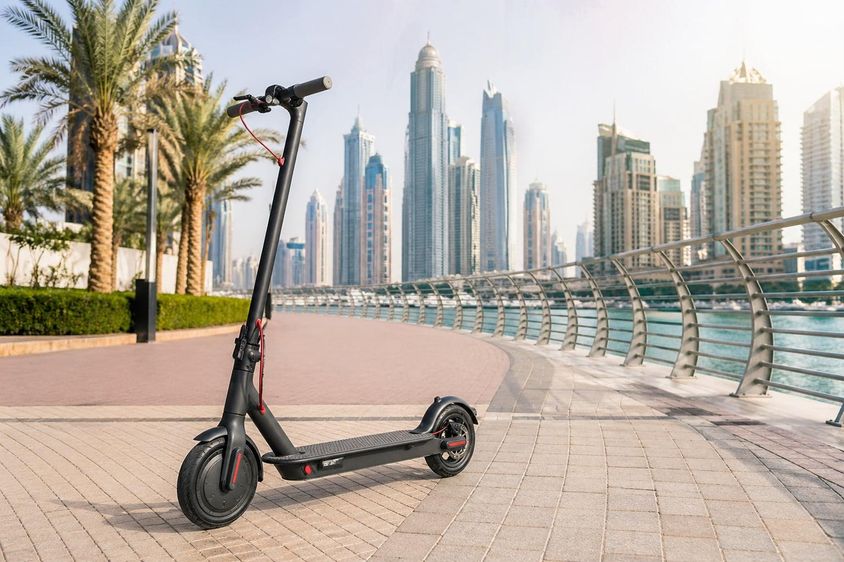
New Era in Micromobility: Dubai Tightens Rules for Safety
Dubai's transportation landscape has undergone a remarkable transformation in recent years. Alongside traditional car travel, micromobility devices such as electric scooters, bicycles, and other lightweight transportation solutions are playing an increasingly important role. This shift is not just a matter of convenience; it's a strategic part of the city's urban planning that emphasizes sustainability, faster transit, and a modern lifestyle. However, a new chapter is beginning: as of May 1st, Dubai will establish a special unit to oversee these devices.
Why was a special unit needed?
The popularity of electric scooters and bicycles in Dubai has exploded. What was once a novelty item for tourists and early adopters has become part of everyday transport. For short trips, many people now prefer scooters over cars or taxis, especially in areas with heavy traffic or challenging parking.
However, this growth comes with increased risks. Irregular traffic, neglecting designated lanes, lack of protective gear, and excessive speeds have created more dangerous situations. A modern, rapidly growing city cannot afford to let development be accompanied by disorder. The decision is not about restriction but about maintaining a sustainable system.
Where will the new inspection unit be active?
The newly established personal mobility inspection unit is not just existing on paper. We can expect active patrolling on the city's busiest and most popular routes. This includes bike lanes, major traffic corridors, and so-called "soft mobility" zones that have infrastructure specifically optimized for these devices.
Special attention will be given to areas where pedestrian and micromobility traffic mix. This includes waterfront promenades, tourist centers, and densely populated urban districts. The goal is clear: to prevent accidents rather than reacting to them afterward.
What rules need to be observed?
The regulations aren't new, but they will now be taken much more seriously. Clear rules for the use of electric scooters and bicycles already existed, as determined by the 2022 decree. Now, their adherence will be more strictly enforced.
Key expectations include using designated lanes, wearing helmets and appropriate protective gear, and adhering to speed limits. Dangerous maneuvering, "tandem" riding on electric scooters, and any behavior endangering others' safety are explicitly prohibited.
Rule violators can expect not only fines but also the confiscation of their devices. This serves as a more significant deterrent, sending a clear message: the rules are not optional.
Strategy behind the tightening
This measure is not an isolated step but part of a comprehensive transportation strategy. Dubai's long-term goal is to develop an intelligent, sustainable, and safe transportation system.
The city has made significant investments in the development of bike paths and dedicated lanes. These infrastructures are not only impressive but also functional: they enable micromobility to be a real alternative to cars.
The new inspection unit represents the "line of defense" for this system, ensuring that the developed infrastructure does not become a hazard due to irresponsible use.
Responsibility and awareness
One of the greatest advantages of micromobility is the sense of freedom. It's fast, flexible, and often more enjoyable than driving. However, this freedom is only sustainable if coupled with responsibility.
Authorities emphasize that the goal is not punishment but mindset transformation. Users should understand that these devices are as much a part of the transportation system as cars or public transit vehicles. This entails adhering to the rules.
Increasing awareness is particularly important in a city with a highly diverse population where various traffic cultures meet.
What does this mean for everyday life?
The change will be noticeable at the everyday level. More inspections, increased presence in public spaces, and clearer consequences for violations. Initially, this might seem like a tightening, but in the long run, transportation will become safer and more predictable.
For users who follow the rules, this is particularly advantageous. Fewer dangerous situations, a more orderly traffic environment, and greater trust in the system.
Dubai as a model for future cities
Dubai has always been at the forefront of innovation, and this move underscores that. It's not enough to introduce new technologies; they must also be properly regulated and integrated. Micromobility is precisely such a field.
The creation of the new inspection unit shows that the city is not only following trends but actively shaping them. It is building a model that other large cities can follow.
Summary
The inspection unit launching on May 1st is not a sudden tightening but a logical step in a developing system. Micromobility continues to play a key role in Dubai's transportation, but the emphasis now is even more on safety and responsibility.
For those who adapt to the rules, this change is an advantage, not an obstacle. Those who ignore them, however, will have to face the consequences. This is precisely the kind of balance needed for a modern city to function.
If you find any errors on this page, please let us know via email.


