Dubai Taxi Profits Fall Amidst Regional Tensions
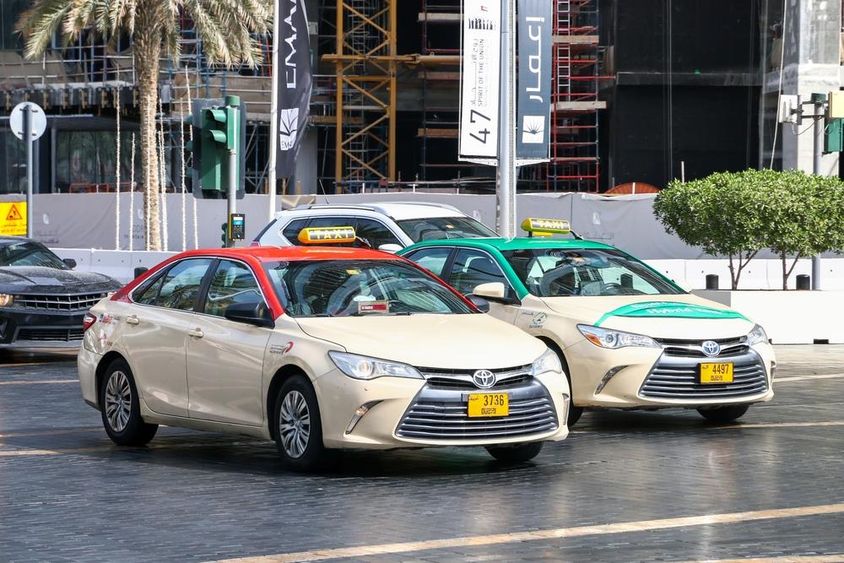
Due to Regional Tensions, Dubai Taxi's Profit Tumbles in Q1 2026
One of Dubai’s most known transportation companies, the Dubai Taxi Company, recorded a significant profit drop in the first quarter of 2026, despite particularly strong results in the year's first two months. The company's financial data aptly illustrates how quickly geopolitical uncertainties affecting the Middle East can impact tourism, urban mobility, and ultimately corporate results.
The Dubai stock exchange-listed company saw its net profit decrease by 39% in the first quarter of 2026, bringing the period's profit down to 50.7 million dirhams. This decline was primarily due to March, when regional tensions noticeably diminished travel enthusiasm, resulting in fewer tourists arriving in the United Arab Emirates, and many companies partially returning to remote work and digital education.
A strong start to the year followed by a downturn
According to the Dubai Taxi Company, January and February were especially favorable. During these two months, net profit increased by 25% year on year, supported by increased operational results, the introduction of new vehicles, and stable demand.
Dubai's economy continues to grow rapidly, the population is increasing, tourism remained strong at the year's onset, and the city’s transportation needs are continually expanding. Additionally, the demand for taxi and limousine services was further boosted by the high number of events, conferences, and business gatherings occurring in the city.
The company highlighted that digital advancements, smart mobility solutions, and sustainable transportation strategies continue to play essential roles in their operations. The proportion of electric vehicles in their fleet is also continuously rising, potentially leading to cost savings and environmental benefits in the long term.
Travel numbers fell in March
However, the positive start to the year was suddenly interrupted in March by regional uncertainties. According to the company, news related to conflicts led to fewer tourists visiting Dubai, while numerous companies and educational institutions partially shifted to remote operations.
As a result, the usage of taxis and limousines dropped significantly. According to Dubai Taxi Company data, the taxi and limousine segment completed a total of 11 million trips in the first quarter, representing a 14% decline compared to the same period the previous year.
The company emphasized that despite these challenges, their operations remained stable throughout, continuously serving customers across the United Arab Emirates.
Revenue also decreased
The total corporate revenue decreased by 6% year on year, amounting to 551.1 million dirhams in the first quarter of 2026. At first glance, this decrease may not seem dramatic, but it clearly shows how sensitively the transportation sector reacts to economic and geopolitical changes.
Interestingly, in January and February, the company achieved a 10% revenue growth. This suggests that the Dubai transportation market remains fundamentally strong, with the decline primarily resulting from events in March.
The taxi business took the biggest hit
The company's most crucial area remains the taxi service, which generated 455.3 million dirhams in revenue in the first quarter. However, this represented a 12% drop compared to the previous year.
According to the company, the main issue was the decline in passenger numbers in March. In the year's first two months, they recorded a 5% growth in this area, supported by the introduction of new vehicles and high utilization.
By the end of March 2026, the Dubai Taxi Company's fleet reached 6,217 vehicles, of which 594 were fully electric cars. This illustrates Dubai's continued emphasis on developing electric mobility and environmentally friendly transportation solutions.
Limousine services particularly affected by the situation
The limousine segment's revenue decreased by 15%, totaling 29.2 million dirhams in the first quarter. This area is strongly dependent on airport traffic, business travelers, and tourists.
As international travel activity fell in March, airport transfers also declined. Even in the first two months of the year, there was a slight weakening in the limousine services, partly explained by seasonal factors according to the company.
The bus segment remained stable
In contrast, the bus business segment showed a more favorable picture, with revenue increasing by 7% to 33.7 million dirhams.
This suggests that contracted employee transportation and other fixed transport services provide a more stable revenue background even during tougher periods. Such services are less dependent on tourism or changes in short-term travel habits.
The delivery market continues to grow explosively
One of the most interesting data points emerged from the delivery bike segment. Revenue from the motorbike delivery service rose by 61% year on year, reaching 26.6 million dirhams.
In January and February, they recorded an even stronger growth of 74% in this area, clearly showing that the online ordering and home delivery market in Dubai continues to expand at an extremely rapid pace.
Demand for food delivery, e-commerce, and instant delivery services keeps rising, supported by the city’s modern digital infrastructure and a high propensity for consumption.
The fleet now consists of over 11,000 vehicles
As of March 2026, the Dubai Taxi Company's total fleet grew to 11,417 vehicles, representing a 16% increase year on year.
This is particularly noteworthy as the company did not halt its developments despite the tougher market environment. The company continues to invest significant amounts in new vehicles, technological developments, and digital systems.
Dubai's long-term transportation strategy remains focused on sustainable, smart, and automated mobility solutions, from which the Dubai Taxi Company can also benefit in the coming years.
The future can still be promising
While the first quarter of 2026 ultimately brought weaker results than expected, the company’s leadership remains optimistic about the long-term outlooks.
Dubai's economic fundamentals remain stable, the city’s population continues to grow, tourism can stay strong in the long run, and record investments are happening in transportation infrastructure.
According to the Dubai Taxi Company, the current setback should be viewed more as a short-term shock than a lasting trend. The company continues to monitor the regional situation while trying to leverage opportunities arising from Dubai’s growth.
One of the most critical questions for the coming quarters will be how quickly tourism returns to previous levels and how much regional uncertainty affects consumer and business mobility in the United Arab Emirates.
If you find any errors on this page, please let us know via email.


