Dubai–Riyadh Terminal Switch: A New Era
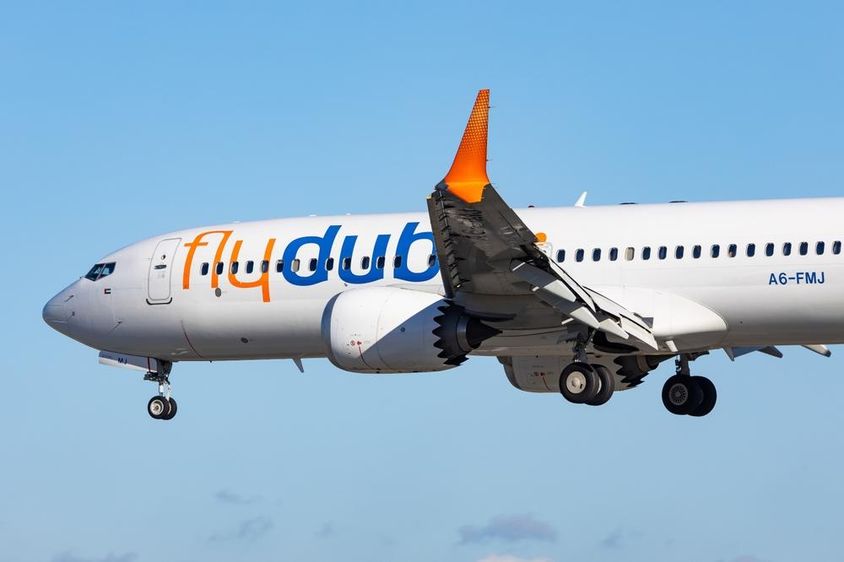
Terminal Change on Dubai–Riyadh Flights: A New Chapter on One of the Region's Busiest Routes
A significant airline in the United Arab Emirates has announced a terminal change for Riyadh flights starting February 25. At first glance, the decision may seem to be a mere technical adjustment, but in reality, it affects a route that ranked as the world's seventh busiest airline connection in 2025, with over 4.4 million seats. This statistic alone indicates that the air connectivity between Dubai and Riyadh is of strategic importance, not only for tourism but also for business and economic relations.
Under this change, Riyadh flights will no longer use Terminal 3, but instead will arrive and depart from Terminal 5 at the Riyadh International Airport. The decision takes effect on February 25, and flights will operate under the new schedule from that day. The last flights using the old terminal will be the morning and noon rotations, while evening flights will already utilize the new terminal.
The Significance of the Dubai–Riyadh Air Bridge
The route between Dubai and Riyadh is not just one of many regional flights. It connects two major economic centers in the Middle East, where business traffic is intense and tourism is continuously expanding. The relatively short flight time between the two cities makes it ideal for one-day business trips, conferences, government meetings, or even weekend getaways.
The fact that this route is among the world's top ten busiest air connections highlights the economic dynamism of the region. The multimillion annual seating capacity is not just a number but a reflection of the demand and intensive cooperation between the two countries. Therefore, the terminal change is not just a logistical issue but a step that directly impacts passenger experience, transfer times, and airport processes.
Why is the Terminal Change Important for Passengers?
Many tend to underestimate the significance of a terminal change, though it can have a substantial impact on the overall travel experience. A different terminal might mean other boarding gates, different check-in counters, varied security checkpoints, and different service standards.
The move to Terminal 5 could affect new transportation routes within the airport. Passengers regularly flying between Dubai and Riyadh were accustomed to arriving at Terminal 3 under a settled routine. From now on, prior information will be crucial, especially in the first weeks when many might head to the previous location based on old habits.
The operational update issued by the airline specifies exactly which flights will be affected on the day of the transition. This is important because February 25 will be a kind of transitional day: previous flights will still use Terminal 3, while later rotations will already use Terminal 5. Communication is key in such transitions, as a single misunderstanding can lead to a missed flight.
Strategic Background and Capacity Management
Typically, a step like this is backed by complex airport and airline capacity planning. Air traffic in the region has significantly increased in recent years, especially for Dubai-centric flights. The dense schedule, increasing passenger numbers, and efficient ground handling are all factors that might make a terminal reallocation justified.
Relocating to Terminal 5 likely aims at optimized passenger flow and smoother operation. On such a busy route, fast boarding, effective baggage handling, and prompt processing of arriving passengers can all create a competitive advantage. Due to the frequency of flights between Dubai and Riyadh, it is especially important that airport infrastructure keeps pace with demand.
Business and Tourism Effects
The strength of the Dubai–Riyadh connection goes beyond statistics. Business collaboration between the two cities is intense, with economic projects, investments, and regional corporate presence continuously strengthening. Moreover, tourism also plays a significant role, as both cities are attractive destinations for those living in the region.
A terminal change in itself does not affect demand, but it can contribute to improving service quality. If the new terminal offers more modern infrastructure, faster processes, or more comfortable lounges, it can, in the long run, increase passenger satisfaction. On such a prominent route, every minor improvement has a noticeable effect.
What Should Passengers Pay Attention To?
Awareness is most important during the transition period. Passengers should check flight information during ticket reservation and in the days before departure. Airport displays, online check-in platforms, and notifications all help travelers avoid surprises.
This is particularly important for those arriving or departing with connecting flights. A terminal change can affect transfer times, the use of shuttle buses, or walking distances within the airport. Travelers with short connection times are advised to plan with more time buffer in the first weeks.
The Dynamics of Regional Air Travel
The position of the Dubai–Riyadh route in global rankings clearly shows that the Middle East is not just a transit region but an independent traffic hub. Economic, cultural, and tourism connections between cities in the region are becoming more intensive, which is reflected in the continuous expansion of air travel.
Thus, the terminal change is not an isolated event but part of a larger system. Airports continuously adapt to growing demands, and airlines strive to optimize their operations. Every organizational decision carries significant strategic weight on such a busy route.
Conclusion
The terminal change on February 25 for flights between Dubai and Riyadh marks the beginning of a new operational order. While it might initially seem like an administrative adjustment, it actually affects one of the world's busiest routes. The multimillion annual seating capacity and prestigious global ranking prove that this air connection is crucial for the region.
For passengers, the most important thing is prior information and attention on the day of the transition. In the long run, the terminal change can contribute to more efficient operations and a smoother passenger experience. The significance of the Dubai–Riyadh air bridge remains unquestionable, and this change is another step towards the dynamic development of the region.
img_alt: Dubai's FlyDubai airline Boeing 737 8 max airplane.
If you find any errors on this page, please let us know via email.