Dubai Revolutionizes Ship Health Inspections
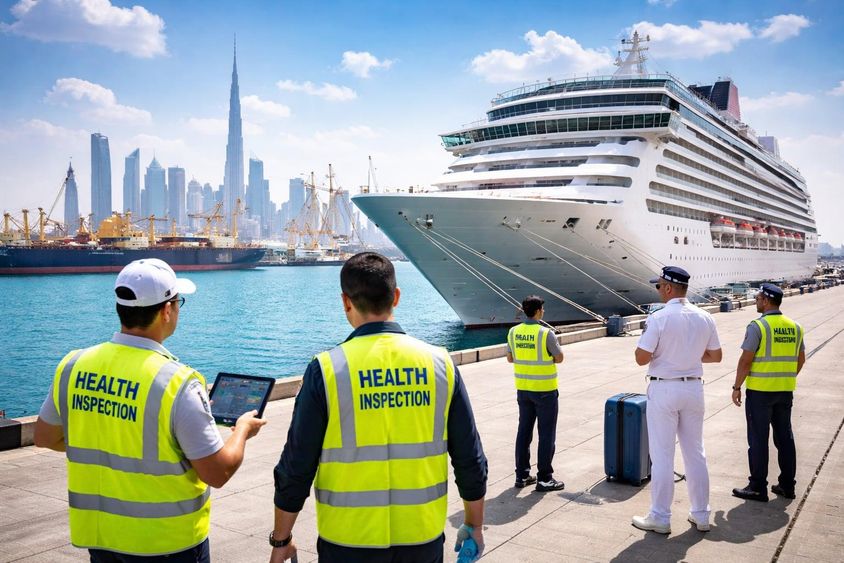
Dubai: New System for 15-Minute Ship Health Checks
Dubai is once again taking a pioneering role in the realms of digitalization and public health: the emirate is introducing the HIMA system, the region's first digital health border control solution, which reduces ship inspection time from two hours to just 15 minutes. The innovation will be implemented under the guidance of the Dubai Health Authority (DHA), initially at Port Rashid and Al Shindagha ports, and gradually extended to all Dubai ports by the end of 2026.
Purpose of Introducing the HIMA System
The goal of the system is clear: to more efficiently and quickly screen for potential public health risks while minimizing administrative burdens and expediting the ship inspection process. This is particularly important in a globally busy maritime hub like Dubai, where dozens of different ships arrive daily—from luxurious ocean liners to traditional dhow boats.
The HIMA (Health Inspection Management Application) is not just software, but a completely revamped workflow that integrates shipping data, health records, and smart alert systems into a centralized, real-time interface.
How the System Works
The system analyzes shipping routes and onboard health logs even before the ship docks. The ship's agent uploads the data to the platform in advance—such as the health status of the last ten ports and the number of sick individuals on board. As a result, the inspection authorities have access to all relevant information before the ship even arrives.
This digitized preparatory process allows on-site inspections to take just 15 minutes, as only the pre-entry information needs confirmation. The automated analysis module sends alerts, for instance, if the proportion of sick individuals exceeds 3 percent—indicating a potential health threat.
Smart Alerts and Digitized Workflow
One of the system’s most outstanding features is the intelligent alert module. If a ship has an unusually high number of sick individuals, HIMA automatically generates an alert, enabling inspectors to respond quickly and prioritize such cases. Meanwhile, risk-free ships receive departure clearance swiftly and without paperwork.
With this move, Dubai sets another example of how public health defenses can be made not only more efficient but also faster, without compromising safety.
Multi-Phase Implementation—From Sea to Air
By the end of 2026, the HIMA system will be operational in all Dubai ports, but the plans do not stop there. Next year, it will extend to land border crossings, and the DHA is examining the possibility of expanding the system to air passengers as well. This would mean that all of Dubai's border crossings—sea, land, and air—would fall under a unified digital health screening system.
Why is this System Important for Dubai?
Dubai is a global transportation and trade hub where the rapid detection and prevention of outbreaks and infections are paramount. Experience from global pandemics has made it clear that traditional, paper-based systems are no longer sufficient. The HIMA system is a strategic response on how to balance global mobility with public health protection.
The system's name, "HIMA," not only stands as a technical abbreviation but also carries a deeper meaning: in Arabic, "hima" means the protection of borders. Symbolically, it expresses the essence of the project—a digital line of defense serving the emirate's security.
Impact on the Business Environment
The introduction of the new system is significant not only from a health perspective but also economically. Faster ship inspections reduce waiting times, improve the efficiency of logistics chains, and enhance Dubai's competitiveness in maritime cargo transportation. The modernized inspection system minimizes congestion, prevents commercial delays, and creates a more favorable operating environment for shipping companies.
Summary
The introduction of the HIMA system marks another milestone in Dubai's digital transformation and public health strategy. The automation, preliminary data processing, and intelligent alerts allow the city to respond more quickly and accurately to potential threats. Additionally, it sets an example for other countries in the region on how to maintain openness while protecting community health through technology.
Dubai has taken another step towards the future: a city that is not only modern but consciously safeguards the safety of its residents and visitors—from sea to air, without paperwork, in 15 minutes.
If you find any errors on this page, please let us know via email.


