Dubai Revamps Trade Centre Roundabout
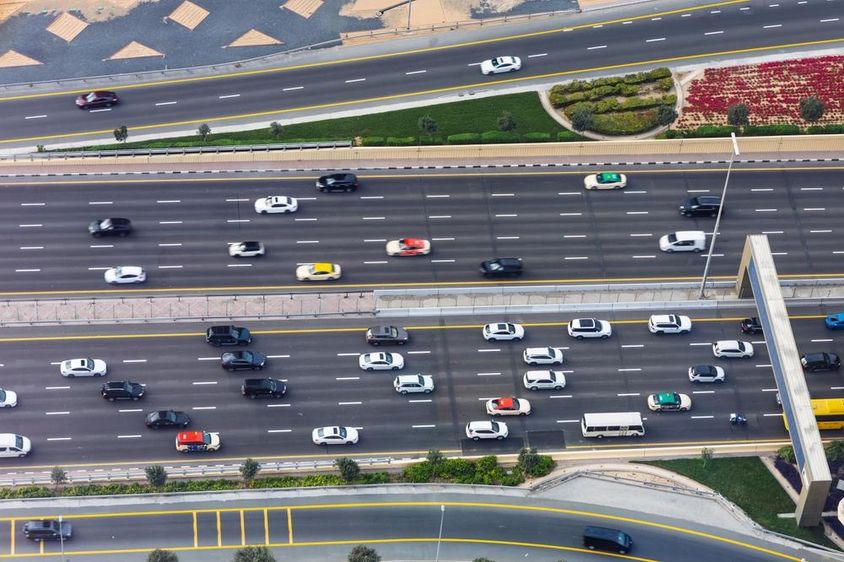
Dubai's Transportation Takes a Leap: Trade Centre Roundabout Revamp
Over the past decades, Dubai has undergone unprecedented urban development, and now it’s taking another step towards the future of transportation. One of the city's busiest junctions, the Trade Centre Roundabout, is getting a complete makeover. The goal is clear: eliminate congestion, reduce travel times, and make passage through the city's central areas more efficient. The project has already hit a significant milestone: the early opening of two new bridges has noticeably eased traffic pressure.
What is the Trade Centre Roundabout Development Project?
At the heart of the project is a strategic junction that connects Sheikh Zayed Road with five other major roads: Sheikh Khalifa bin Zayed Street, Sheikh Rashid Street, 2nd December Street, Zabeel Palace Street, and Al Majlis Street. This intersection plays a critical role in the city’s transportation, as it channels traffic towards several key destinations like the Dubai World Trade Centre, DIFC, Downtown Dubai, and multiple densely populated residential districts.
In recent years, this roundabout has frequently become a hotspot for traffic jams due to the increased number of vehicles and sudden traffic surges during events, especially during peak times. The project's objective is to solve this problem by constructing a multi-level, grade-separated interchange, which will allow for the separation of traffic directions, thereby eliminating conflicts and stops.
Main Elements of the Project
The plan includes building a total of five new bridges, spanning a total of 5,000 meters, which will cater to different traffic directions. Additionally, the existing roundabout will be transformed into a surface intersection, where most traffic will no longer intersect but will move on different levels. The total investment exceeds 696 million dirhams, with construction proceeding in phases until 2027.
The First Two Bridges Are Already Completed
Two bridges have already opened to traffic, ahead of the planned mid-January deadline. These bridges serve traffic between 2nd December Street and Sheikh Rashid Street, as well as between Al Majlis Street, allowing vehicles to bypass the roundabout. Both bridges provide two lanes in each direction, stretch 2,000 meters long, and accommodate up to 6,000 vehicles per hour.
Thanks to the new bridges, travel time on the affected sections has decreased from 10 minutes to just 2 minutes, while surface traffic has also significantly eased.
What Further Developments Are Expected?
The next phases of the project will unfold in 2026:
In March 2026, a second-level bridge will open, providing a direct connection from Sheikh Zayed Road to Sheikh Khalifa bin Zayed Street. This new link allows for uninterrupted travel without stopping at signals, reducing the current 6-minute travel time to 1 minute on this route.
In October 2026, two more bridges will be completed, serving traffic from Sheikh Rashid Street and Al Majlis Street towards 2nd December Street, making passage smoother in significant new directions and eliminating more surface conflict points.
Why Is All This Important for Dubai's Future?
The ultimate goal of the project is to reduce traversal time from the current average of 12 minutes to 90 seconds at this critical junction. This not only speeds up daily commutes for local residents but also significantly eases access to important locations like the Dubai World Trade Centre, especially during major events.
Moreover, the development makes the city’s transportation sustainably viable in the long run, as it will be able to handle the expected increase in traffic in Dubai's economic hubs.
What's Next?
The Trade Centre Roundabout development is part of a larger comprehensive plan that includes the modernization of several other roads and intersections. This includes the complete redesign of Al Mustaqbal Street, stretching from Zabeel Palace Street to Financial Centre Street, due for completion by 2027.
This complex and ambitious project exemplifies Dubai’s commitment to establishing a world-leading urban infrastructure. While many major cities are still contemplating intelligent traffic management, Dubai is already taking concrete steps to ensure the future of transportation.
This development is yet another proof that the city sets an example for the world not only with its spectacular buildings or economic expansion but also in the advancement of transportation infrastructure. Through new bridges, tunnels, and traffic management systems, Dubai continues to lead the way in creating modern, livable, and rapid urban transport.
(The article is based on a statement by Dubai Roads and Transport Authority (RTA).)
If you find any errors on this page, please let us know via email.


