Dubai Properties: Resilience Amid Tensions
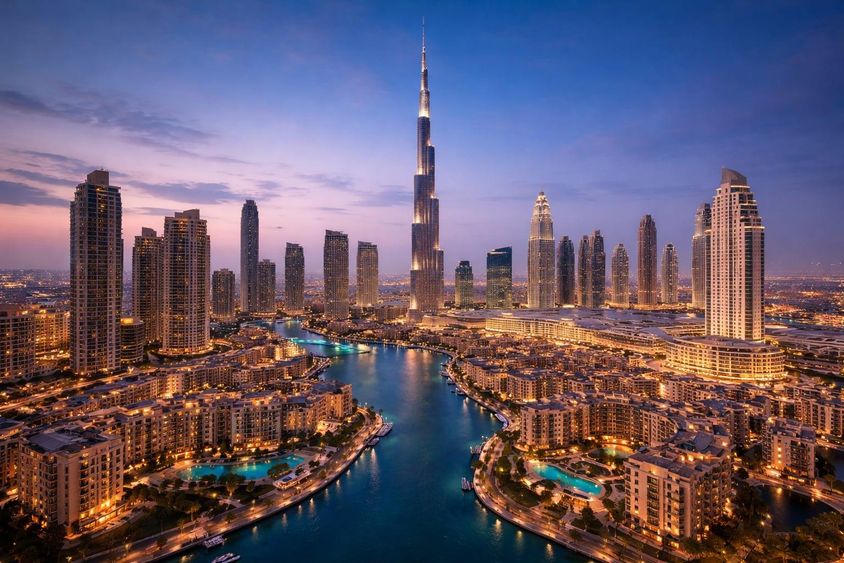
Dubai Property Market: Stability Amidst Conflict
Strong Figures During Uncertain Times
In recent weeks, geopolitical tensions affecting the Middle East have made many investors and buyers ponder: what impact could all this have on one of the region's most dynamic real estate markets? However, the fresh data paints a clear picture: Dubai's leading developers are not only on track but continue to achieve outstanding sales results.
The numbers speak for themselves. Some developers reported sales volumes worth several billion dirhams within just one month, while others are realizing steady sales amounting to hundreds of millions weekly. This not only indicates sustained demand but also shows that investor confidence remains exceptionally strong.
Demand Hasn't Disappeared – It's Become More Conscious
One of the most interesting lessons from the current situation is that demand hasn't diminished, but has rather transformed. Buyers today make much more conscious decisions, closely observing developers' reliability, the scheduling of project completions, and long-term growth potential.
In this environment, Dubai performs particularly well. The city is not built on short-term speculation but on long-term urban and economic strategies. This stable foundation ensures that even a regional conflict cannot unsettle the entire market.
Demand for residential properties remains vibrant, especially in mid-range to premium projects. The presence of foreign investors hasn't significantly declined either, showing that Dubai remains a globally competitive destination.
Project Deliveries: No Delays, No Panic
A key question in any such period is whether ongoing projects are delayed. The answer is currently clear: no.
Leading developers have confirmed that constructions are progressing smoothly, and the planned deliveries for this year are set according to the previously committed timelines. This is a particularly important message for those who have already purchased properties or are currently contemplating entering the market.
Some projects are already in the final pre-delivery phase, having received the necessary regulatory approvals. This not only signals the progress of construction but also the efficiency of the regulatory environment.
Developers' Strategy: Control and Quick Response
One of the keys to Dubai's real estate market is the operating model of the developers. Many companies exercise full control over the development process, from land acquisition to delivery. This allows them to quickly respond to market changes.
This vertically integrated operation has several advantages. Firstly, it reduces risks arising from cost fluctuations, and secondly, it shortens construction time. Additionally, developers can also optimize financing cycles, ensuring stable liquidity even in more uncertain economic environments.
Modern procurement strategies and hedging solutions against raw material prices also contribute to preventing project delays, even in the face of global volatility.
Low Cancellation Rate – Strong Confidence
One of the most crucial indicators is the cancellation rate. If buyers were backing out en masse, it would be a significant warning sign. Current data, however, shows just the opposite.
The cancellation rate remains incredibly low, historically staying under one percent. This means investors aren't frightened by short-term uncertainties and remain steadfast in their decisions.
This confidence is not without reason. Dubai has repeatedly proven in recent years that it can quickly adapt to global challenges, be it a pandemic, economic downturn, or geopolitical tensions.
Pre-Sales and Future Prospects
Notably, some developers have already pre-sold a significant portion of properties set for delivery in the coming years. This means that a part of future revenues is already secured.
Such high pre-sales rates demonstrate not only the strength of demand but also the forward-looking nature of the market. Investors are evaluating not just the current situation but are thinking in the long term.
Dubai is unique in this respect. The city continuously develops its infrastructure, expands its economic sectors, and creates an environment that remains attractive in the long run.
Liquidity and Financial Stability
The financial position of developers is also a key factor. Current information indicates that leading players hold strong cash reserves and possess well-diversified project portfolios.
This enables them to maintain operations even during an extended market slowdown and continue developments. Stable liquidity ensures not only the functioning of companies but also offers security for buyers.
Disciplined financial management and rapid capital turnover also contribute to market stability. These are the factors that distinguish Dubai’s real estate market from many others internationally.
Why Does Dubai Remain Strong Even During Crises?
The answer lies in a combination of multiple factors. On one hand, the city's economic diversification reduces exposure to any single sector. On the other, the regulatory environment is predictable and investor-friendly.
Moreover, Dubai continually attracts international capital, from private investors to institutional players. The combination of quality of life, infrastructure, and business opportunities creates a value that is hard to replicate elsewhere.
The long-term vision and strategic planning ensure that the city not only responds to challenges but proactively shapes its own future.
Summary: Stable Foundations, Continuing Momentum
Despite the current geopolitical situation, Dubai's real estate market remains stable and on a growth trajectory. Strong sales figures, on-time project deliveries, and low cancellation rates all indicate that the market is resilient and well-structured.
Investor confidence remains unshaken, and developers operate preparedly and efficiently. Together, this creates an ecosystem capable of weathering short-term challenges while remaining on a long-term growth path.
Dubai once again proves to be not just spectacular but an extremely stable and predictable investment destination.
If you find any errors on this page, please let us know via email.


