Dubai Police: Hidden Dangers in Debris
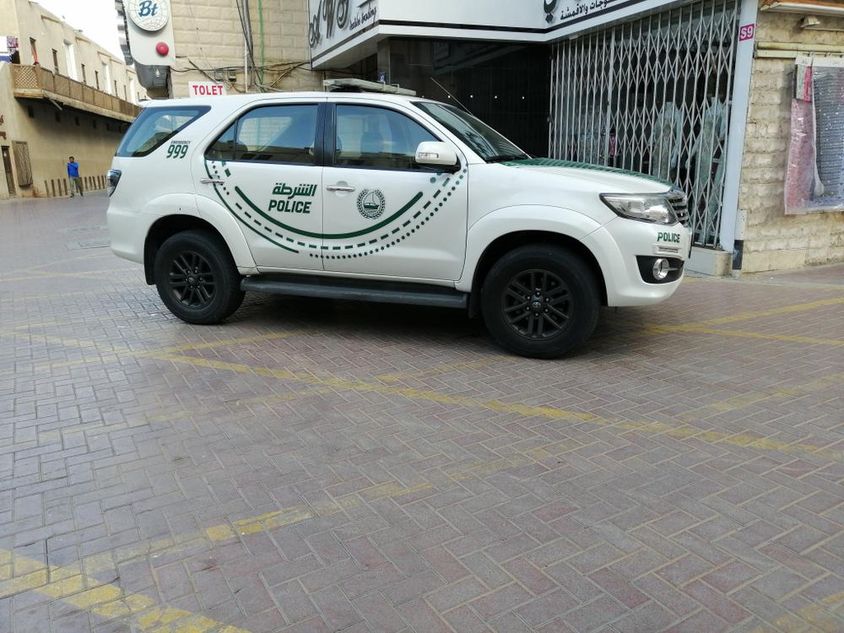
What Seems Harmless May Be Dangerous: Dubai Police Issue Warning
A Brief Message with Serious Implications
Dubai Police recently issued a brief but important warning to residents: do not approach, touch, or take photographs of objects or debris that fall back after intercepted missiles or other incidents. At first, this caution might seem excessive, as many tend to believe that anything that has already "fallen" doesn't pose a threat. The reality, however, is much more complex, and authorities are communicating firmly to prevent accidents.
The Price of Curiosity
Curiosity is one of human nature's fundamental traits. When something unusual happens—like the sound of an explosion, a streak of light in the sky, or a strange object in the street—people instinctively want to get closer. This is especially true in a modern, technologically advanced city like Dubai, where most residents are accustomed to high levels of security. As a result, many don't expect that an unknown object could pose a real threat.
However, these debris pieces are not ordinary waste. They often return to the ground at high speed, their internal structures can be unstable, and they may even contain explosive remnants. A seemingly harmless metal piece can, in fact, cause serious injuries if someone touches or attempts to move it.
Why is the "just a piece of metal" thinking dangerous?
There are specific experiences and risk analyses behind the authorities' warning. Debris from intercepted missiles or other military devices doesn't behave like ordinary objects. Their materials may have been exposed to extreme heat, deformed, or even become unstable. There might be sections under internal pressure, or chemical reactions could initiate if disturbed.
Moreover, visible damage does not always reveal the true condition. What appears safe on the outside may still be dangerous inside. This is why experts emphasize that the best decision is always to stay away and immediately notify the authorities.
Photography as a Hidden Risk
Interestingly, the warning applies not only to approaching and touching but also to taking photographs. This might initially seem odd since taking a picture doesn't involve direct physical contact. Yet, there is logic behind it.
Firstly, photography instinctively draws people closer to the object. For a good shot, many get too close, putting themselves at risk. Secondly, in the age of social media, such a picture can quickly spread, attracting more people to the site. This could pose a mass risk.
The Role of Authorities and Quick Response
One of Dubai's greatest strengths is its fast and organized response. Authorities not only focus on prevention but also on immediate action. When such an event occurs, special units arrive on the scene equipped with the necessary tools and expertise to safely remove debris.
This system, however, only works effectively if the public cooperates. If someone tries to "fix" the situation themselves, it not only endangers their safety but also obstructs the authorities' work.
The Culture of Safety in a Modern City
Such warnings highlight that safety is not just the responsibility of authorities. In a city like Dubai, where technology, infrastructure, and rapid development are everyday occurrences, the role of citizens is also crucial. Awareness and responsible behavior are just as important as the work of law enforcement agencies.
One of the paradoxes of modern urban life is that the safer the environment we live in, the more likely we are to underestimate rare but potentially dangerous situations. This is why reminders like these are needed, bringing attention back to real risks.
What to Do If You See Something Like This?
The most important rule is simple: do not approach it. If you see an unfamiliar object or debris, maintain a proper distance, and notify the authorities. Do not attempt to identify, touch, or move it. Do not take close-up pictures or invite others to it.
This kind of behavior is not overreacting but a conscious decision. A single wrong step can be enough to turn an apparently harmless situation dangerous.
Future Challenges and the Role of the Public
Due to changes in the global situation, such warnings may become more frequent. The advancement of technology and the indirect effects of various conflicts can create scenarios previously unimaginable in an urban environment.
However, this does not mean everyday life becomes uncertain. Instead, it shows that safety is a dynamic process that everyone must adapt to. Authorities provide information and guidance, but the final decision always rests with the individual: will they follow these recommendations?
Summary: Shared Responsibility
The Dubai Police's warning is not about scaremongering but prevention. A simple message backed by substantial professional expertise. The core idea is not complicated: what is unfamiliar is potentially dangerous.
If everyone keeps this principle in mind, then the city can continue to maintain the safe and predictable environment that so many people choose as their home.
If you find any errors on this page, please let us know via email.


