Dubai Parking Fines to Rocket in 2026
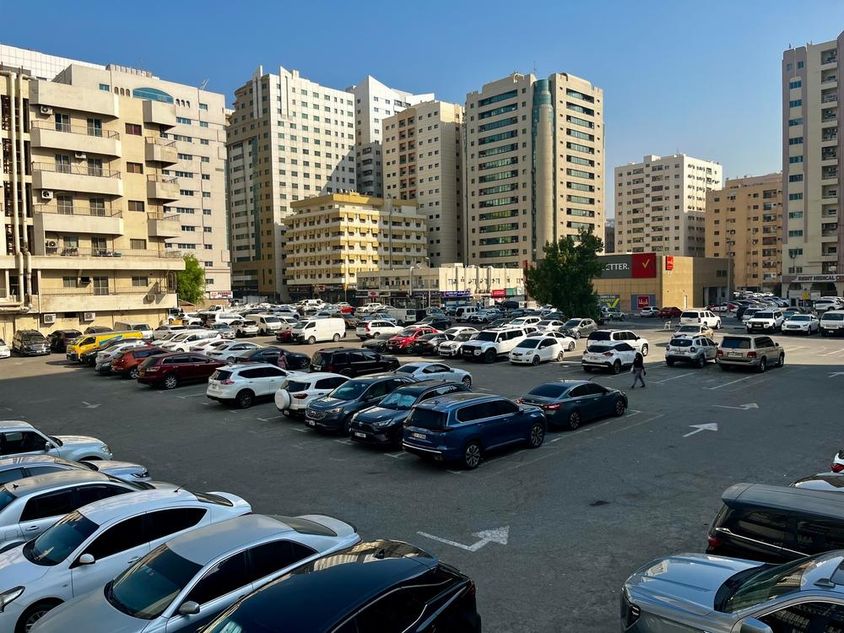
Parking Fines in Dubai to Soar in 2026
Dubai's transportation system has undergone remarkable technological development in recent years, visible not only on highways, in metro networks, or smart traffic lights, but also in the realm of parking enforcement. According to the latest quarterly data from Parkin, the operators of paid parking spaces, more than 754,000 parking fines were imposed in Dubai in the first three months of 2026, marking a 32 percent increase compared to the same period last year.
The numbers clearly indicate that the city increasingly relies on automated inspection systems and data-driven solutions. The change is not just from having more inspectors but comes from an entirely new technological approach aimed at ensuring rules are enforced more swiftly and effectively.
Record Number of Fines in Three Months
Data from Parkin show that approximately 280,000 fines were issued in January, 253,000 in February, and 221,000 in March. According to the company, the main reason for the increase is the expansion of the parking network and the introduction of a new intelligent camera monitoring system.
Dubai’s transportation system is evolving at an extremely fast pace, while the number of cars continues to rise. Paid parking zones cover increasingly larger areas, so naturally, the number of inspections grows as well. However, the difference now lies not just in scale but in the technology employed.
In addition to traditional pedestrian inspections, more and more smart inspection vehicles are roaming the streets of Dubai. Equipped with cameras, these vehicles automatically read license plates and check in real time whether the vehicle has valid parking permission.
Smart Cameras Monitor the Cars
In February 2026, Parkin also began testing a new roof-mounted intelligent camera system. This new system can be particularly effective in crowded urban areas where pedestrian inspectors were often needed before.
According to the company, one of the system's greatest advantages is that it can operate efficiently even in the summer months. With Dubai's summer temperatures regularly exceeding 45 degrees Celsius, it poses a significant challenge for personnel working on the streets. The automated camera monitoring is thus not only a quicker but also a safer solution.
Parkin's smart inspection fleet expanded from 27 to 28 vehicles during the first quarter, but more importantly, the city is increasingly building a data-driven transportation system.
Tens of Millions of License Plates Inspected
The figures are particularly striking. The field inspection team examined a total of 10.2 million license plates in the first quarter of 2026, a 115 percent growth compared to last year.
Meanwhile, the smart inspection cars scanned 20.6 million license plates in the same period. This is a 64 percent increase compared to last year's 12.5 million.
This means that Dubai’s parking system is virtually under continuous digital surveillance. A car parked irregularly now stands far less chance of going unnoticed than even a few years ago.
Modern camera systems not only read license plates but also record precise location and time data. This allows for faster fines and more efficient dispute handling.
Revenue from Fines Significantly Increased
Naturally, the increase in the number of fines is also reflected in revenue. Parkin's enforcement revenue rose by 46 percent, reaching 119.7 million dirhams in the first quarter.
The rate of fine payments also improved. While 85 percent of fines were paid in the first quarter of 2025, by 2026, this rate increased to 88 percent.
This suggests that the inspection system not only intensified but the collection process is also functioning more efficiently. Dubai has long aimed for violations of traffic rules to entail swift and inevitable consequences, and it seems this is increasingly being realized in the parking system.
Parking Fees Also Rose
It was not only the fines that increased Parkin's revenue but also the higher parking fees. The average hourly rate rose from 2 dirhams to 3.02 dirhams within a year.
Public parking revenues thus grew by 15 percent, exceeding 130 million dirhams.
Recently, Dubai has increasingly moved towards dynamic pricing. This means higher parking fees may be applied at certain times or in busier areas.
The dual purpose of the system is to generate revenue but also to reduce congestion by encouraging drivers to park for shorter periods or use alternative modes of transport.
More Parking Spaces in Dubai
Parkin's total inventory of parking spaces grew by 23 percent in a year. By the end of the first quarter of 2026, approximately 258,000 parking spaces were in the system, compared to 209,000 the previous year.
The largest growth was in developer parking spaces, but the number of public parking spaces also increased by more than 8,000.
This shows that Dubai is still in an intensive urban development phase. New residential areas, office complexes, and commercial centers all require new parking infrastructure.
At the same time, the city is increasingly trying to centrally control and digitize this system to keep traffic manageable despite the growing number of vehicles.
Geopolitical Situation and Slower Utilization
According to the company's report, the utilization of parking spaces was somewhat weaker in the first quarter. One reason is the longer Eid Al Fitr holiday period, and another is the impact of the regional geopolitical situation.
Although Dubai is still considered a stable economic and tourism center, the uncertainties affecting the Middle East are noticeably impacting travel and consumption habits as well.
Despite this, Parkin remains confident about 2026. The company believes its business model stands on strong foundations and can adapt to the current market environment.
The Future of Parking Could be Entirely Digital
Dubai’s parking system increasingly resembles an intelligent network where cameras, license plate recognition algorithms, and real-time data processing guide the inspections.
Based on the current data, it's clear that the city is not slowing down on this path. Automated control can be faster, more efficient, and cost-effective in the long run, making it increasingly difficult for drivers to avoid fines.
By doing so, Dubai once again demonstrates how it aims to make technology a central element of everyday urban operation. Parking may seem like a small detail to many, but for a metropolitan with a growing population of millions, this system plays a crucial role in the sustainability and efficiency of transportation.
If you find any errors on this page, please let us know via email.


