Dubai Metro Expansion Aims for Future Traffic
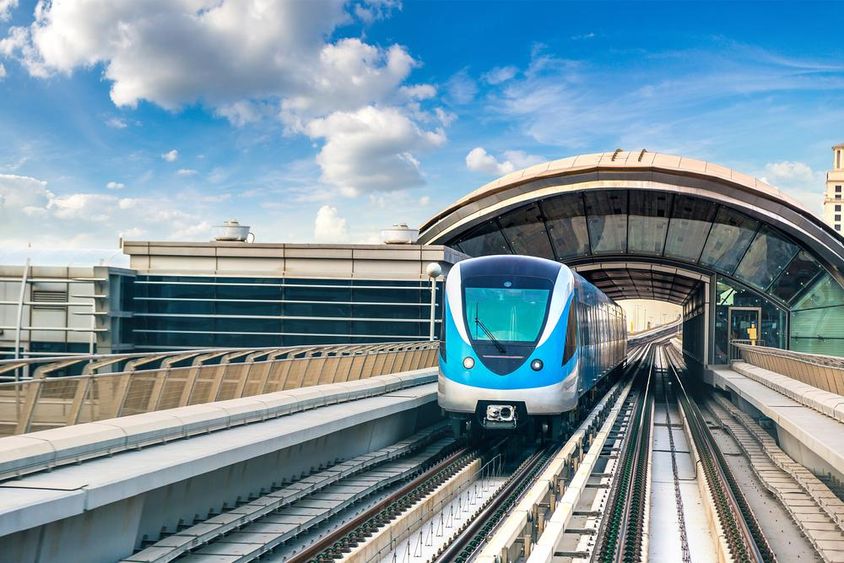
Expansion of Burj Khalifa/Dubai Mall Metro Station: Dubai's Transport Infrastructure Escalates
Dubai's dynamic growth is not only evident in its towering skyscrapers, luxury districts, or tourist attractions, but also in its meticulously planned and continuously developed transportation infrastructure. The latest example is the major expansion of the Burj Khalifa/Dubai Mall Metro Station, for which the UAE's Roads and Transport Authority (RTA) has now signed an official agreement with one of the largest real estate developers, Emaar Properties.
Why this station?
The Burj Khalifa/Dubai Mall station is one of the busiest hubs of Dubai’s metro network. This is not by chance: the station provides direct connectivity to the world's tallest building, the Burj Khalifa, as well as to the Dubai Mall that attracts millions of visitors and the Downtown Dubai area. This area is the focal point of the city’s tourism and economic life, making this station not just another stop, but a true urban hub playing a crucial role in the city's operations.
Traffic at this location has continually increased over the years. While in 2013, it registered “only” 6.13 million passengers, by 2019 this number had reached 7.88 million. In 2023, more than 10.2 million people utilized the station, and in 2024, the number exceeded 10.57 million. This growth clearly indicates that the originally designed capacity no longer meets current demands, especially during national and religious holidays or notable events.
What does the development involve?
The announced expansion aims to increase the station's hourly passenger capacity from the current 7,250 to 12,320, a 65 percent increase. This enables management of up to 220,000 passengers on a daily basis. The total area of the station will also increase from the current 6,700 square meters to 8,500 square meters.
The project involves not just enlarging the station's size but also modernizing its functions. Platforms and waiting areas will be expanded, new escalators and elevators installed, separate entry and exit gates will be introduced, and the number of turnstiles will be increased. The goal is to streamline passenger flow to ensure smooth transit even during peak periods – such as New Year's Eve or Ramadan.
A key element of the project is the enhancement of pedestrian bridges and entrances, and the integration of the station with other transport modes such as the bus network, taxi services, or micromobility solutions. Thus, the Burj Khalifa/Dubai Mall station will not only be a metro stop but an intermodal transport center facilitating urban mobility.
Why is this needed now?
The development of the Dubai Metro is not just a response to increased passenger numbers but a strategic step toward addressing future challenges. Dubai’s population is continually growing, as is the number of tourists. The city's goal is to provide a sustainable, efficient, and world-class transportation system that not only meets present but also future expectations.
On New Year's Eve 2026, Dubai Metro transported over 1.24 million passengers on its red and green lines. This figure clearly demonstrates the heavy pressure the infrastructure faces during large-scale events. The current investment aims to handle these peak times in the future without interruptions and congestion.
Collaboration and vision
The RTA and Emaar are jointly implementing the project. The collaboration between the two organizations is not new, as they have worked together on several large-scale developments in the city. The recently signed agreement marks another milestone in this partnership, aiming to better serve Dubai’s urban core.
The transport authority emphasizes that this investment not only provides logistical advantages but is significant economically and socially. The new commercial zones to be created in the expanded station sections offer new business opportunities, while the advanced infrastructure can encourage further development of the city center.
Summary
The expansion of the Burj Khalifa/Dubai Mall Metro Station is an excellent example of how Dubai responds to the challenges arising from urbanization and tourism growth. Improved passenger experience, significant increase in passenger capacity, and integration of transport modes all contribute to Dubai’s continued operation as one of the world’s most modern, livable, and best-organized cities.
The project is not merely a technical upgrade but a symbolic step: part of a vision for a city that does not shy away from growth but plans ahead and builds today what will be needed tomorrow. Anyone who has visited the Burj Khalifa on a New Year's Eve knows exactly how important this development will be – and not just for those wanting to see the world’s tallest building, but for everyone navigating the bustling heart of Dubai.
(The article is based on announcements by Dubai Roads and Transport Authority (RTA) and Emaar Properties.)
If you find any errors on this page, please let us know via email.


