Dubai Metro Blue Line: A New Era Unveiled
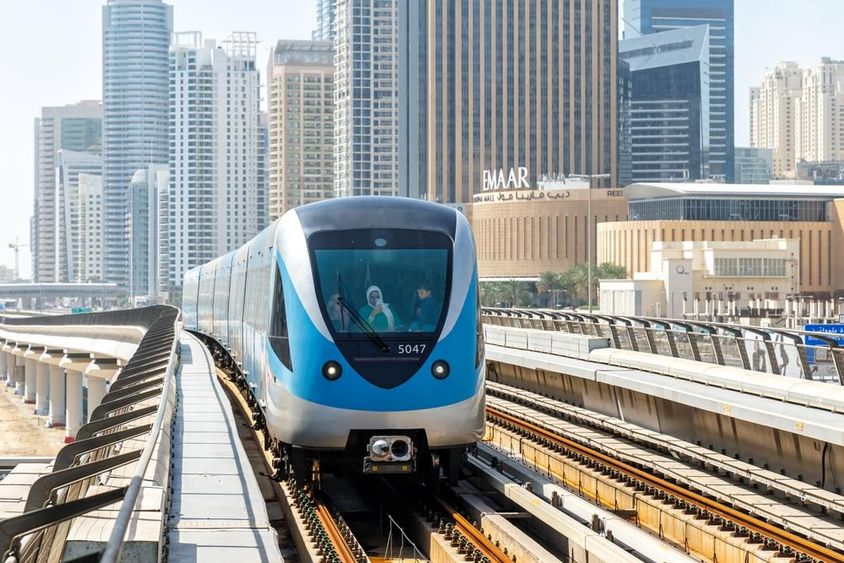
Dubai Metro Blue Line New Era: Records, Future and Urban Experience in One Line
Dubai once again draws the world's attention with a development that is not just a transportation investment, but part of a complex urban development vision. The Metro Blue Line will be a new 30-kilometer-long metro line connecting fast-growing parts of the city with a total of 14 stations. The project has a clear strategic goal: to serve the growing population, reduce traffic, and strengthen sustainable transportation.
The development is particularly important given the continuous growth of Dubai's population and economic activity. Forecasts suggest that by 2040, up to one million people could live in areas covered by the Blue Line, justifying the construction of such a large-scale transportation network.
Two Routes, One Comprehensive System
The Blue Line consists of two main routes that together form a well-thought-out, integrated system. The first route starts from Creek Junction and extends to the Academic City area, covering about 21 kilometers. This section touches ten stations and passes through key areas such as Al Jaddaf, Dubai Festival City, Dubai Creek Harbour, Ras Al Khor, reaching various parts of International City, all the way to Dubai Silicon Oasis and Academic City.
The second route is shorter, about 9 kilometers, and starts from the Centrepoint junction. This part connects four stations and touches areas such as Mirdif and Al Warqa, before connecting to the International City 1 station. Together, these two routes ensure that the Blue Line fits organically into the existing red and green metro lines, creating a fully integrated transportation network.
Record-Breaking Stations
One of the most interesting elements of the project is that two stations also set world records. The International City 1 junction will be the largest underground interchange station in the entire Dubai metro network. With an area of more than 44,000 square meters and a capacity to serve up to 350,000 passengers daily, it will operate as a true transportation hub.
The other outstanding station is the iconic station being built in Dubai Creek Harbour, which will become the world's tallest metro station at 74 meters. This station will not only serve a functional role but will also act as an architectural spectacle, becoming a defining element of the area.
Architecture and Experience Hand in Hand
The uniqueness of the Blue Line is not limited to its size or capacity. Special attention was paid to the interior design of the stations during planning. One of the most interesting concepts is that the stations are built around the four natural elements – air, water, earth, and fire.
Air-themed stations symbolize openness and progress, characterized by light spaces and floating effects. Water-inspired stations refer to the city's maritime past with soft forms and calm colors. Earth-themed stations emphasize stability and tradition with natural materials and warm tones. Fire-inspired stations depict energy and motion with dynamic gradients and intense lights.
This type of design approach not only provides an aesthetic experience but also contributes to making travel not just a necessary commute but an experience.
Connecting to City Development
One of the most important roles of the Blue Line is to connect fast-developing residential and business districts in Dubai. Areas like Dubai Silicon Oasis or Academic City are becoming increasingly significant, especially in the fields of education and technology. The new metro line makes these hubs more accessible, further increasing their attractiveness to investors and residents.
The Dubai Creek Harbour area also receives special attention, as it is one of the most ambitious development projects in the city. The iconic metro station planned here not only aids transportation but also contributes to increasing the prestige of the area.
Sustainability and Future-Proofing
The project not only answers current needs but also offers sustainable solutions for the long term. Expanding the metro network reduces car traffic, thereby decreasing environmental burden and improving urban quality of life.
The application of modern technologies, energy-efficient systems, and smart transportation solutions all serve to ensure that the Blue Line is not just a new line, but a future-proof infrastructure.
What Does This Mean in Everyday Life?
The realization of the Blue Line will have a significant impact on everyday life in Dubai. Shorter travel times, better connections, and more comfortable transportation are expected. For those commuting daily, this could mean a significant improvement in quality of life.
It also opens new opportunities for tourists, as previously less-accessible parts of the city become easily reachable. This further strengthens Dubai's position as a global tourist and business hub.
Summary
The Dubai Metro Blue Line is not just a new transportation project but part of a comprehensive vision for the future. The network of 14 stations and 30 kilometers, record-breaking stations, and unique architectural solutions all show that Dubai remains one of the world's most innovative cities.
This development not only transforms transportation but also contributes to the city's economic, social, and environmental development. The Blue Line marks the beginning of a new era where mobility, design, and sustainability become a single entity.
If you find any errors on this page, please let us know via email.


