Dubai Mall Metro Station Undergoes Major Expansion
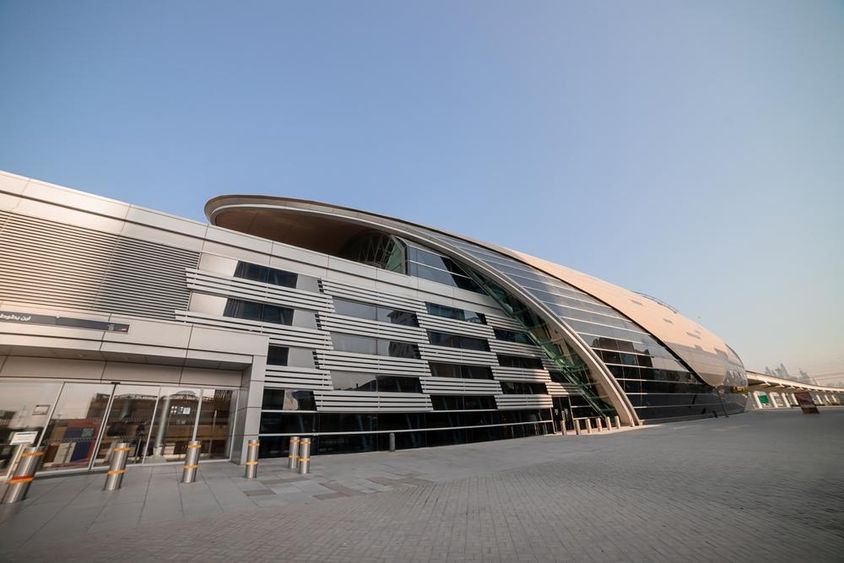
Dubai Mall Metro Station: Temporary Closure and Major Expansion
Important changes are to be expected at one of Dubai's busiest transportation hubs: the bus and taxi service road of the Burj Khalifa/Dubai Mall metro station has been temporarily closed. The closure will last until the end of 2026 and is related to the station's expansion. The aim of the work is to enable the metro station to handle a larger passenger volume and, in the long run, to make transportation in one of Dubai's most well-known districts more comfortable, faster, and transparent.
The change primarily affects those who regularly travel to the vicinity of Dubai Mall, the Burj Khalifa, or Downtown Dubai by metro, bus, taxi, or car. This area is busy not only because of tourists but also due to the offices, hotels, restaurants, residential buildings, and business centers nearby. The metro station serves thousands of passengers daily and is particularly heavily loaded during peak times, weekends, holiday periods, and major events.
The closure may initially cause inconvenience, but the development aims, in the longer term, to reduce the current congestion. Dubai's transportation system is continuously adapting to the city's growth. For years, the area around Dubai Mall and Burj Khalifa has been a key traffic point where pedestrian, car, taxi, bus, and metro traffic coexist. Even minor traffic changes in such a location can be noticeable, thus a special traffic management plan was introduced for the closure.
The closure of the bus and taxi service road means that the usual direct access will change temporarily. During the construction period, only construction vehicles can use the closed section. This is important for safety reasons, as machinery, building material transport, temporary detours, and changed routes may appear in the area during the station's expansion. Passengers and drivers should pay special attention to the signage, directions, and speed limits placed on site.
The transport authority advises passengers to start earlier and account for longer travel times. This applies not only to drivers but also to those approaching the station by taxi or bus. In the coming months, it is possible that the usual boarding and alighting points will be relocated, pedestrian routes will be longer, or passengers will need to use a different entrance. Those going for an appointment, such as business meetings, hotels, restaurants, programs, or airport connections, should allow extra time for the journey.
The expansion of the Dubai Mall metro station is of outstanding importance as it is one of the busiest stops in the city. After the development, the station's passenger capacity could increase by 65 percent. This is a significant difference, as the hourly capacity increases from 7,250 to 12,320 passengers. The daily manageable passenger volume could rise to as much as 220,000 people. This can be particularly helpful during times when the area is even more crowded than usual.
Such times include New Year's Eve, when Downtown Dubai and the area around the Burj Khalifa attract huge crowds. The same is true for larger holidays, long weekends, shopping promotions, city events, and peak tourist seasons. The current station comes under serious pressure during these times as many people try to enter or exit the metro at once. The goal of the expansion is to ensure safer and faster passenger flow during these peak periods.
The development is important not only for tourists but also for residents of Dubai. Many people use the metro daily for commuting, shopping, or running errands. The Dubai Mall area is not only an attraction but also a serious urban center where many people work. For them, quick and reliable transportation is an everyday issue. If the station operates with greater capacity, congestion can be reduced, waits can be shorter, and transfers to other modes of transportation can be more comfortable.
For drivers, the most important change will be the use of alternative parking and approach options. Due to the closure, it’s not advisable to rely on the usual route out of habit as the traffic pattern may temporarily differ from the past. It is worth following the designated parking and detour routes as their purpose is precisely to keep local congestion manageable. Those arriving by taxi should also consider that the vehicle may not be able to stop where it did before.
Pedestrians also need to pay attention. Movement between the metro station and the Dubai Mall is already busy, especially during the mall's opening hours and in the afternoon and evening. During the construction work, temporary routes, signage, and traffic management may help progress, but the usual paths can change. Those unfamiliar with the area should gather information in advance and not try to find the right direction at the last minute.
Thus, the closure is not a standalone inconvenience but part of a larger urban development. Dubai has proven several times over the past years that it adapts its transportation infrastructure to growing demands. The metro plays a particularly important role in this as it offers a fast, predictable, and comfortable alternative to driving for many. The development of the Burj Khalifa/Dubai Mall station fits into this long-term planning.
In the coming months, passengers will need patience and greater foresight. Those who regularly travel this way should pay attention to the latest transport announcements, onsite signs, and alternative routes. The change is temporary, but its impact can be felt daily for those heading to the Dubai Mall or Downtown Dubai.
In the long term, however, the development could offer significant advantages. A metro station with greater capacity could reduce congestion, accelerate passenger flow, and make one of the city's major transportation points more comfortable. The area around Dubai Mall and the Burj Khalifa remains one of Dubai's most attractive areas, so it is essential that the transportation system leading there keeps pace with increasing traffic.
Thus, the current closure is a temporary inconvenience but part of an investment that can ensure much larger passenger capacity and more orderly transportation in the future. Those traveling through this area by the end of the year should start earlier, watch the signs, and handle route changes flexibly. At the end of the development, however, a stronger, higher-capacity metro station may serve one of Dubai's most visited districts.
If you find any errors on this page, please let us know via email.