Dubai Expats Face New Car Import Rules
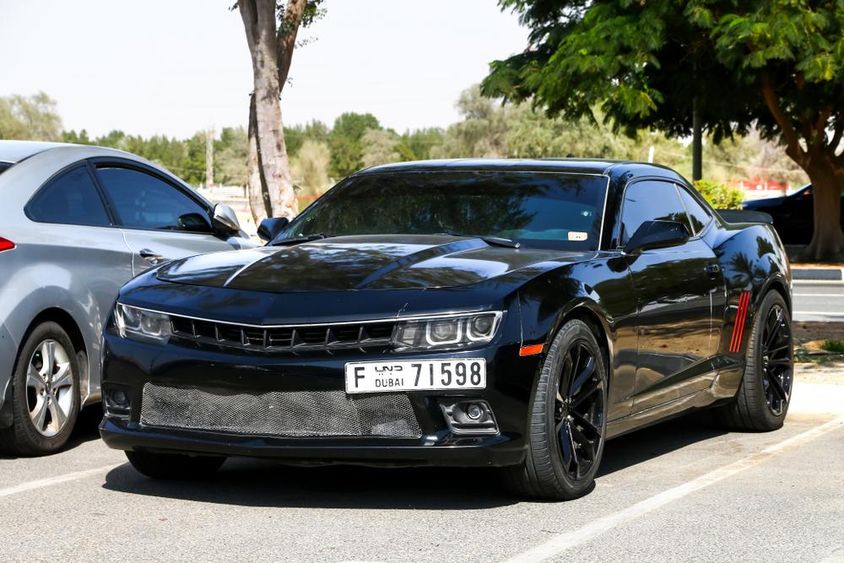
Restriction on Used Car Imports for Pakistani Nationals: What It Means for Those Living in Dubai?
Pakistan's Ministry of Economic Affairs has enforced a new regulation that significantly alters the opportunities for citizens living abroad — including over 1.7 million Pakistanis residing in the United Arab Emirates — to bring used vehicles back home. According to the decision, importing cars under the popular 'personal baggage' entitlement, previously a widely used option for expats, particularly those in Dubai, is no longer possible.
What Exactly Has Changed?
The Pakistani Ministry of Economic Affairs has amended the 2022 Import Policy Order provisions and issued a new regulation (SRO 61(I)/2006), allowing the import of used cars exclusively under two categories: 'Transfer of Residence' and 'Gift Scheme.'</p>
In neither of these cases is the transfer of car ownership allowed for at least a year from the import date. Essentially, this means that those importing cars into Pakistan in this manner cannot sell or transfer the vehicle to another party for a year, even if the import was originally done with commercial intent.
Why Does This Particularly Affect Those Living in Dubai?
In the United Arab Emirates, especially in Dubai and the northern emirates, a large number of Pakistani nationals live and often took advantage of the former regulations to acquire well-maintained vehicles at more favorable prices, then transport them to Pakistan for sale or personal use. However, the change aims precisely at curbing this 'commercial re-export.'
The regulation specifically mandates that under the 'Transfer of Residence' scheme, vehicles can only be imported from the country where the person is legally residing. This also excludes scenarios where someone, holding a Dubai residency, attempts to purchase a vehicle from another country to transport home.
Extended Time Frame but Stricter Oversight
Another interesting aspect of the amendments is the extension of the vehicle import timeframe from 700 days to 850 days. This applies to those who regularly use this option and have previously imported vehicles under the specified entitlement. They now must wait a longer period before their next eligible vehicle can be declared for import.
Additionally, all vehicles imported under the new regulation are subject to the same safety and environmental standards as those for commercial imports. These standards, determined by Pakistan's Ministry of Industry and Production and the Engineering Development Board, include emission norms and more stringent vehicle condition checks.
What's Behind This Decision?
Pakistan's government's decision is not without precedent. Automakers have previously urged authorities to dismantle the 'bypass systems' targeting used vehicle imports, as they exerted pricing pressures on domestic sales. As a result, the market for vehicles registered in the country, particularly lower-tier models, became distorted.
However, recent statistics show that in the first half of 2025, car sales in Pakistan rose by 46 percent, exceeding 13,200 units sold. This indicates robust domestic demand, and policymakers now wish to support this momentum rather than saturate the market with additional used vehicles.
The Position of Those Arriving From Dubai
Of the more than 1.7 million Pakistani nationals living in the UAE, many maintain ties with their homeland, frequently traveling back and forth, having previously utilized favorable car-purchase opportunities. Dubai, in particular, was popular for car purchases: high quality, relatively low cost, favorable climatic conditions, and minimal mileage.
The current tightening thus presents not only a legal administrative change but also tangible implications for many families and small businesses that sought alternatives through this model.
What Could Be the Community's Response?
It is likely that some affected individuals will seek other solutions: for instance, working with direct commercial importers who meet stricter requirements. Others might opt to keep their vehicles locally and postpone their return shipment. There's also a possibility that they will search for new, alternative entitlements that could again circumvent the strictures.
Summary
The decision of the Pakistani government, which excludes the possibility of importing cars as personal baggage for citizens living abroad — particularly considering those in Dubai — brings significant change. A previously loose system is replaced by a more stringent, traceable, and controlled structure, where vehicles cannot be sold within a year and can only be imported from the resident country.</p>
Communities who previously made use of this option must now devise new strategies, whether economically or logistically. The regulation's aim is clear: protecting domestic car manufacturing, closing commercial loopholes, and creating a safer vehicle fleet in Pakistan. The question is how this will succeed without infringing upon the legitimate interests of the millions working abroad.
(based on a communiqué from the Pakistani Ministry of Economic Affairs.)
If you find any errors on this page, please let us know via email.


