Dubai Expands Shared Taxi Service Coverage
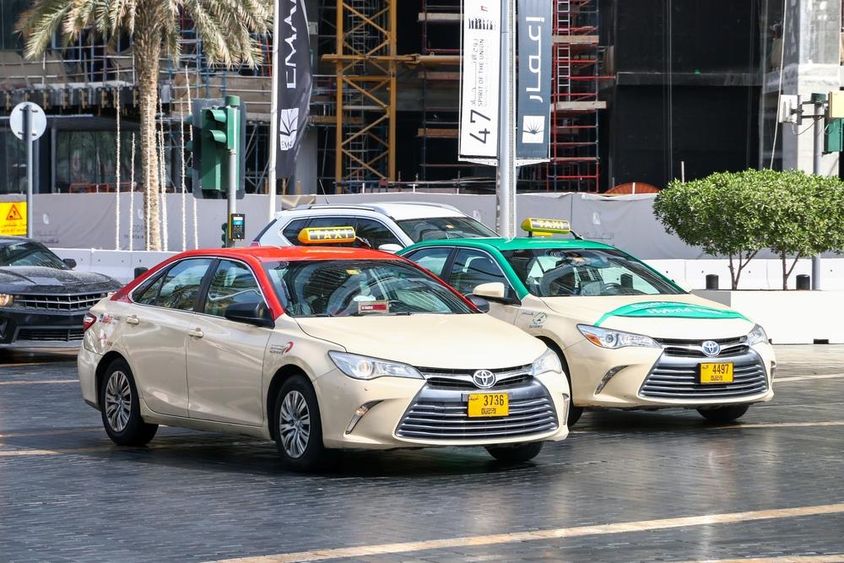
Expansion of Dubai's Shared Taxi Service: New Routes to Al Maktoum Airport and World Trade Centre
Dubai continuously develops its transportation systems to keep pace with the city's growing needs and commitment to sustainability. The latest initiative from the Dubai Roads and Transport Authority (RTA) is a new milestone in this endeavor: following last year's successful launch, the shared taxi service has been significantly expanded, now extending routes to Al Maktoum International Airport and the Dubai World Trade Centre.
What is the shared taxi service?
Shared taxi services are becoming increasingly popular worldwide, especially in major cities where traffic congestion and the environmental impact of individual car use are significant issues. This service allows multiple passengers to use the same taxi along a shared route, splitting the travel costs. The system not only saves money but also reduces traffic and contributes to decreased emissions.
Dubai introduced this alternative mode of transport back in November 2024, initially between Ibn Battuta Mall and Al Wahda Mall in Abu Dhabi. The initiative has proven exceptionally successful, especially among commuters between the two emirates, increasingly opting for this solution over traditional public transport or more expensive individual taxis.
New locations, new opportunities
The newly announced expansion affects two prominent locations: Al Maktoum International Airport and the Dubai World Trade Centre. With the new routes, passengers can now comfortably and affordably reach the following destinations:
Al Maktoum International Airport - Dubai Marina Mall, Business Bay metro station, Palm Jumeirah – Atlantis Monorail station
Dubai World Trade Centre - Business Bay metro station, Al Satwa bus station, Dubai Marina Mall
These routes connect key hubs, particularly for those regularly traveling between the city and other parts of the emirates. The RTA aims with this step not only to reduce per capita travel costs but also to contribute to Dubai's smart mobility strategy.
Why is the service popular?
The advantages of the shared taxi service are obvious: it is convenient, fast, and competitively priced. According to RTA data, the number of passengers on the original Ibn Battuta Mall–Al Wahda Mall route increased by 228 percent over the past year. This indicates growing interest in modern forms of communal transport, especially in a city where traffic can sometimes be a significant challenge.
Moreover, the service benefits not only the passengers but the entire city. Fewer vehicles on the road mean less traffic congestion, faster travel, and reduced air pollution. This approach aligns well with Dubai's sustainability goals, aimed at shaping the city of the future.
How does it work in practice?
Passengers can access the shared taxi service at points designated by the RTA. The system's algorithms match passengers heading towards similar destinations, minimizing route deviations and time loss. The service is significantly cheaper than a traditional taxi, as passengers share the fare.
This solution can be particularly beneficial for business travelers, tourists heading to the airport, or commuters who travel fixed routes daily and prefer cost-effective alternatives.
Environmentally friendly and regulated alternative
Another important advantage of shared taxis is that they curb illegal passenger transport, which still occasionally exists in the region. Services regulated and licensed by the RTA are not only safer but also more transparent: passengers can be assured that they are traveling in official, audited vehicles appropriately insured.
Vehicles shared by multiple passengers also cover less mileage for the same service volume, reducing emissions, which is a crucial goal in combating climate change.
What can we expect in the future?
If this recent expansion proves as popular as the initial route, there is every chance that the shared taxi service will reach more urban areas. It is conceivable that soon other airports in Dubai, popular tourist destinations, or even residential neighborhoods will be included in the RTA's system.
The technological background of the service is also likely to advance further: real-time booking through mobile applications, live tracking, electronic payments, or dynamic route optimization might be introduced.
Summary
Dubai's transportation system evolves year by year, and parallelly more solutions become available to address the challenges of modern urban life. The expansion of the shared taxi service is another step towards a more livable, sustainable, and economical transportation future.
Whether you commute daily between various city points or seek a quick and cheap way to travel as a tourist, it's worth trying the shared taxi—not just for your wallet, but for the environment's sake as well.
(Based on a statement from the Dubai Roads and Transport Authority (RTA).)
If you find any errors on this page, please let us know via email.


