Dubai Enhances Crucial Drainage Infrastructure
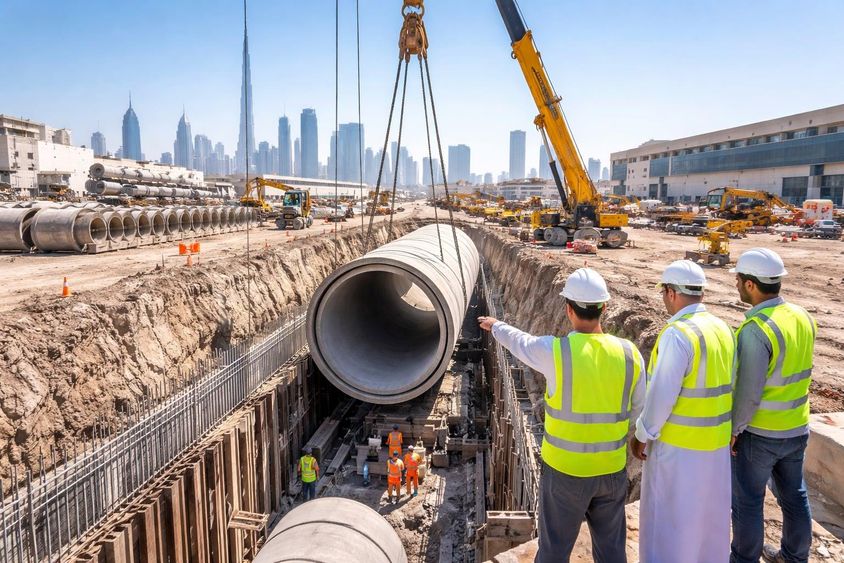
Dubai Takes Drainage Infrastructure to the Next Level
An Unseen Yet Crucial Development
For many, Dubai's development is primarily about its spectacular skyscrapers, luxury districts, and futuristic projects. However, the foundation of the city's operation is not these iconic buildings, but rather the behind-the-scenes infrastructure developments that ensure the smooth flow of everyday life. One such crucial area is sewage and stormwater drainage, which has now reached another significant milestone.
The completion of the first stage of development in the Al Quoz area showcases that Dubai is not only responding to challenges but is also planning for the long term. This project is not just a technical investment but a strategic step towards the city’s sustainable future.
Why Did Development Become Urgent?
In recent years, increasingly intense rainfall events have posed serious challenges to the existing infrastructure in the region. Although Dubai is traditionally known for its desert climate, the effects of climate change have become noticeable here as well. The rapid drainage of large amounts of rainwater in a short time has become a critical issue.
The Al Quoz industrial and creative district is particularly sensitive in this respect. It is not only home to businesses and warehouses but also an increasing number of creative industries. Water accumulation not only causes transportation problems but can also result in economic losses.
Therefore, it became essential to build a system capable of handling extreme weather conditions.
Project Scale and Importance
The recently completed first phase is part of a massive, several hundred million investment. The total value of the project reaches 500 million dirhams, with the first phase completed at a cost of 250 million dirhams. These figures already indicate that this is not a minor upgrade but an extensive, system-wide development.
The development covers over 1,600 hectares and serves more than 1,500 plots. During the first phase, new networks covering 155 hectares were established, serving 123 plots. These figures illustrate that even the first part of the project has a significant impact on the operation of the area.
The length of the sewage network reaches 15 kilometers, while the stormwater drainage system was built over another 14 kilometers. The pipes of different diameters allow the system to adapt flexibly to varying load levels.
Technology and Future-Proofing
One of the most important elements of the project is that it not only addresses present issues but also prepares for future challenges. The technologies used allow for the expansion and adaptation of the system, ensuring it remains effective in the long term.
The development is part of a comprehensive emirate-wide program aimed at modernizing the entire sewer system. Its goal is to create a more innovative, efficient, and sustainable network.
This is particularly important in a city where rapid urbanization and population growth continually raise expectations for infrastructure.
Connecting to a Bigger Vision
This current project is not an isolated initiative but part of an even more ambitious plan aiming to transform the entire stormwater drainage system. This program is worth tens of billions of dirhams and is one of the region's largest investments of its kind.
The goal is to create a unified system capable of increasing drainage capacity by up to 700 percent. This not only allows for addressing current issues but also ensures the city’s operational stability for the next 100 years.
This type of foresight well demonstrates Dubai’s strategic thinking: it focuses not on retroactively managing problems but on preventing them.
Economic and Operational Benefits
The development has a direct impact on economic life as well. It is crucial for businesses operating in the Al Quoz area that their operations are not exposed to weather-related risks.
Rapid and efficient water drainage ensures uninterrupted traffic, functioning supply chains, and prevents business disruptions. This is particularly important in an economic environment where quick response and reliability are fundamental expectations.
The project also increases property values, as areas with well-developed infrastructure are always more attractive to investors.
A More Resilient City for Future Challenges
One of the most important outcomes of this development is the increase in the city’s resilience. The effects of climate change are becoming more unpredictable, and cities must prepare for extreme weather events.
In this respect, Dubai is applying a proactive approach. The new system not only reduces water accumulation but also ensures continuity of services. This is especially crucial in critical areas where infrastructure downtime can have severe consequences.
The Value of Invisible Investments
Although such developments do not make headlines, in the long run, they determine the livability and competitiveness of a city. The development of sewage and drainage systems is not spectacular, yet it is essential for the sustainable functioning of a city.
Dubai’s example clearly shows that success lies not only in spectacular projects but also in the background processes ensuring system stability.
Summary
The completion of the first phase of development in the Al Quoz area is a clear signal that Dubai continues to plan for the long term. The project not only addresses current issues but also lays the foundation for future infrastructure.
The modern, integrated sewer and drainage system contributes to the city's economic stability, increases resilience, and ensures continuous operation even under challenging conditions.
This kind of thinking is what makes Dubai one of the most dynamically developing cities in the world, ensuring sustainable growth in the long term.
If you find any errors on this page, please let us know via email.


