Dubai Enforces Stricter Signage Regulations
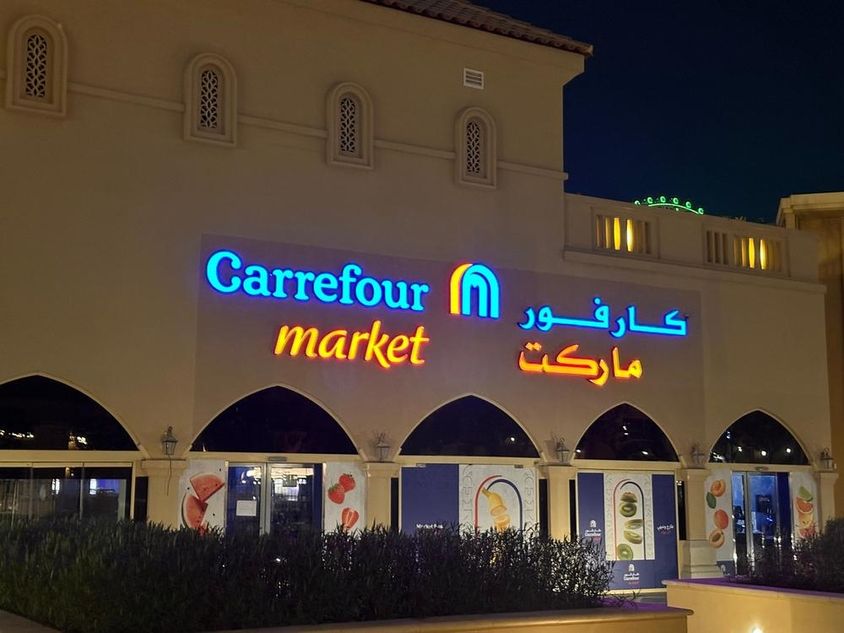
Dubai Tightens Store Signage Regulations
In recent years, Dubai has made notable efforts to not only be known as a modern and economically strong city but to also present itself as a visually unified, orderly, and premium-looking metropolis. An important step in this process is the stricter enforcement of regulations concerning store signage, which the Dubai Civility Committee and the Dubai Department of Economy and Tourism have once again emphasized to businesses. Although the new rules are not entirely new, as they are based on the Outdoor Advertising Manual issued in 2024, the authorities are now putting much more emphasis on practical enforcement.
The changes affect every shop, commercial unit, clinic, office, and service provider operating in Dubai. The clear goal is to eliminate visual clutter, reduce aggressive advertising appearances, and create a more uniform cityscape.
One Store, One Name
One of the most significant rules is that only a single commercial name can appear on the storefront of a business. This means businesses cannot display multiple brand names on the same frontage. Previously, it was common to see stores displaying multiple logos, service names, or brand names next to each other, often in varying styles and sizes.
According to Dubai, this is confusing, overcrowded, and diminishes the quality of the street view. Under the new regulation, the store's facade must be clear and streamlined. A frontage should reflect a single official commercial identity that matches the licensed business name.
This is especially important for stores that previously tried to communicate multiple services on a single sign. In many small businesses, it was common to see a combination of phone store, repair service, accessory shop, and currency exchange all listed on the same sign. The new system, however, expects a much more orderly appearance.
Horizontal Layouts Instead of Vertical Signage
One of the most talked-about elements of the regulations is that signs must be placed horizontally without using a vertical format. According to Dubai, vertical signs disrupt the uniform cityscape and can often visually overload the streets.
The regulation also specifies that Arabic text should be placed above the English signage. This practice was already widely adopted in the Emirates but will now face even stricter scrutiny.
Horizontal arrangements can be particularly important in densely built urban areas, where there are many small shops located side by side. Dubai's goal is to create a more harmonious and elegant street view that better fits the premium tourist and business environment.
Proportional Sizing Expected
The regulation also addresses sign sizes. Store signs cannot be disproportionately high, too wide, or too thick compared to the facade. According to authorities, many businesses have used oversized signs to stand out from the competition, which has resulted in a chaotic cityscape in the long term.
Dubai now aims to ensure that signs harmoniously fit the architecture of the buildings. This is particularly important in modern shopping streets, premium commercial districts, and tourist zones.
The new inspections are expected to force many businesses to replace their existing signs or modify their sizes. While this may mean additional short-term costs for stores, it can contribute to a more uniform and aesthetic urban landscape in the long run.
Stringency Regarding Lighting and Brightness
Dubai has also introduced clear requirements regarding the illumination of store signs. Excessive brightness, aggressively lit panels, and strong white backlighting are no longer acceptable.
The goal is to keep the cityscape elegant at night, avoid overwhelming light pollution, and prevent advertising surfaces from overly dominating the street environment. This is especially important for stores located near residential areas, where excessively bright lights have previously caused regular complaints.
In recent years, Dubai has placed significant emphasis on smart urban planning and improving quality of life. Reducing visual noise is also part of this process.
Prohibition of Moving and Animated Content
Under the new regulation, store names must be static, meaning animated, flashing effects, or dynamically changing displays cannot be used. The previously popular moving LED signs may thus disappear from Dubai's streets in many cases.
According to authorities, these moving advertising elements can excessively distract attention, especially along busy traffic routes. They are also incompatible with the creation of a premium cityscape.
With this move, Dubai is clearly shifting towards a cleaner, more luxurious visual environment that more closely resembles the modern streetscape of the world's leading business and tourist centers.
Store Signs Cannot Be Placed Just Anywhere
The rules also state that commercial signs cannot be placed on balconies, as well as on the external facade of offices, clinics, and commercial premises located above the ground floor.
This rule could significantly alter the appearance of some buildings, as it was previously common for various businesses to place their own advertisement boards on upper facades or near balconies.
Dubai now seeks for building exteriors to be more orderly and unified, especially along major roads, business districts, and tourist areas.
Continuous Inspections Expected
The Dubai Department of Economy and Tourism is responsible for issuing necessary permits as well as inspecting businesses. This means businesses violating the rules can expect warnings, fines, or mandatory modifications.
In recent times, Dubai has applied stricter visual and urban landscape inspections across more areas. This includes regulating street advertising, standardizing building appearances, and improving public space aesthetics.
Therefore, for businesses, creating a store sign is not just a marketing decision, but a serious regulatory compliance task as well.
Dubai Builds a Global Cityscape
One of the main objectives of establishing the Dubai Civility Committee was to make Dubai one of the most beautiful, civilized, and sophisticated cities in the world. According to the city administration, the quality of the visual environment has a direct impact on quality of life, tourism, and investor perception.
Therefore, Dubai is no longer just focusing on iconic skyscrapers and luxury projects, but also on details like the unified appearance of store signs. The goal is to create a premium, modern, and internationally sophisticated cityscape.
The current tightening of regulations clearly shows that Dubai is consciously shaping its visual identity in the long term. The city does not want to see a crowded advertising environment or disorganized business rows but instead aims for an elegant, streamlined, and high-standard commercial environment.
This process will likely continue in the coming years, and similar urban landscape regulations may appear in various districts across Dubai.
Source: Dubai Civility Committee, Dubai Department of Economy and Tourism
If you find any errors on this page, please let us know via email.


