Dubai Drivers' Traffic Jam Time Loss Woes
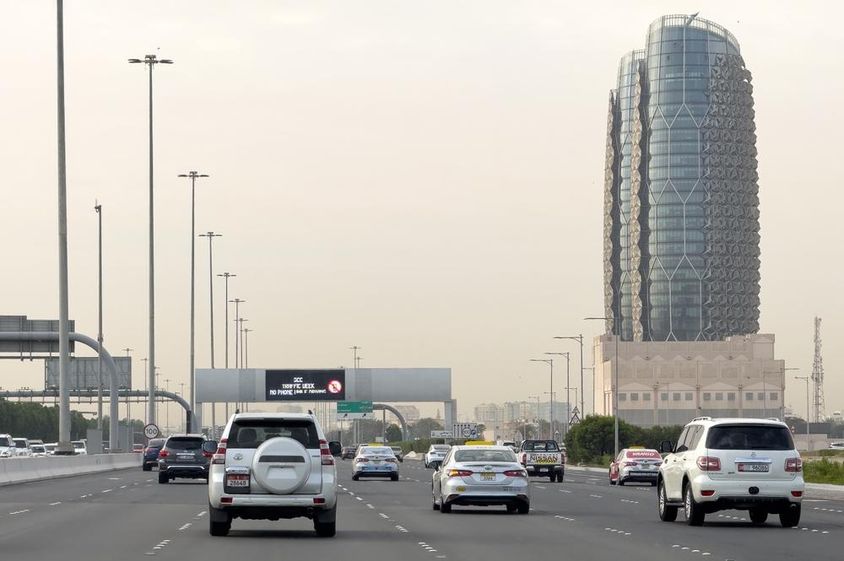
Dubai Drivers Endure Four Days of Traffic Jams - Lose Nearly Four Days Annually Due to Congestion
In 2025, Dubai reached a new milestone: its population surpassed four million for the first time. Concurrently, the pressure on the city's transportation network has also significantly increased. The number of cars has risen, commuting times have lengthened, and traffic jams have reached levels that impact everyday quality of life. According to the latest report from the TomTom Traffic Index, an average driver spent nearly four full days - specifically 72 hours - stuck in traffic during 2025. This is more than six hours more than the previous year.
Growing Population and More Vehicles
The primary cause of the traffic jams is the city's explosive population growth and the resulting increase in vehicle traffic. In recent years, the rapid growth of the population has made speeding up infrastructure investments inevitable, yet it seems that the increase in the number of vehicles has outpaced the expansion of the road capacity. The number of cars on Dubai's road network includes not only vehicles registered in the city - a significant proportion consists of drivers who arrive daily from Sharjah, Ajman, or Abu Dhabi for work or errands.
According to Salik, the operator of Dubai's toll system, by the end of the third quarter of 2025, there were 4.65 million active, registered vehicles in the system, while this number was only 4.56 million by the end of the previous quarter. This clearly shows that traffic is not only constant but also continuously growing.
Daily Commuting Takes More Time
The report also states that the time spent on daily commuting has dramatically increased. A 10-kilometer trip that took an average of 13.7 minutes in 2024 took 19.1 minutes in 2025. This difference of more than 5 minutes may not seem much at first, but it adds up to significant time loss for the city's residents over a year.
Average speed has also decreased. During peak times, drivers averaged 26.3 km/h, which is 1 km/h slower than the previous year. On highways, speeds also dropped, with the average speed falling to 70.5 km/h, 2.1 km/h less than in 2024. These figures suggest that even the well-developed expressway network cannot fully handle the increasing vehicle traffic.
The Worst Day: November 11
According to TomTom's analysis, the highest traffic volume in Dubai was experienced on November 11. On that day, the average congestion level was 73% throughout the day, reaching 168% at 5:00 PM. On this day, a 4-kilometer journey averaged 15 minutes, meaning that speeds barely exceeded 16 km/h.
The report also notes that commuting takes significantly longer in the evening than in the morning. Mornings required an average of 18.4 minutes to cover 10 km, while in the evening, this increased to 26.3 minutes. The average speed in the morning was 32.1 km/h, but only 22.6 km/h in the evening.
Infrastructure Developments: Keeping Pace
The Roads and Transport Authority (RTA) is continuously working on expanding and modernizing the city's transport network. In 2025, several major investments were realized: new bridges were built at the World Trade Centre interchange, lane expansions occurred on Al Hessa Road, and new connections were established towards the Mall of the Emirates and Dubai International Airport's Terminal 1. Additionally, significant sections were opened as part of the Emirates Road development.
These projects, however, require time, while vehicle traffic is increasing relatively quickly. Transport authorities face a serious challenge: infrastructure development must be executed in harmony with the growth of the vehicle fleet and population.
The Future: Intelligent Solutions?
While physical expansion of roads is necessary, more and more people are emphasizing the importance of intelligent transport solutions. Real-time traffic monitoring, AI-based traffic light systems, and the digitization of public transport are all areas that can help improve the efficiency of car transportation. Dubai's goal is not just to build more roads but also to reduce the number of people forced to use cars. This can be achieved through metro network expansion, the promotion of electric vehicles, and the integration of multimodal transport systems.
Summary
Dubai's transport challenges entered a new level in 2025. Due to population growth and an increase in the number of cars, the time spent on roads has significantly increased. Drivers lose nearly four full days annually because of traffic jams, which is a serious problem both economically and in terms of quality of life. Although infrastructure developments are ongoing, and transport authorities are not idle, the future clearly lies in digital and sustainable solutions. Dubai's leadership has the task of effectively pursuing this path – the future livability of the city depends on it.
(Source of the article: TomTom Traffic Index data.)
If you find any errors on this page, please let us know via email.


