Dubai Developers Take Charge to Curb Delays
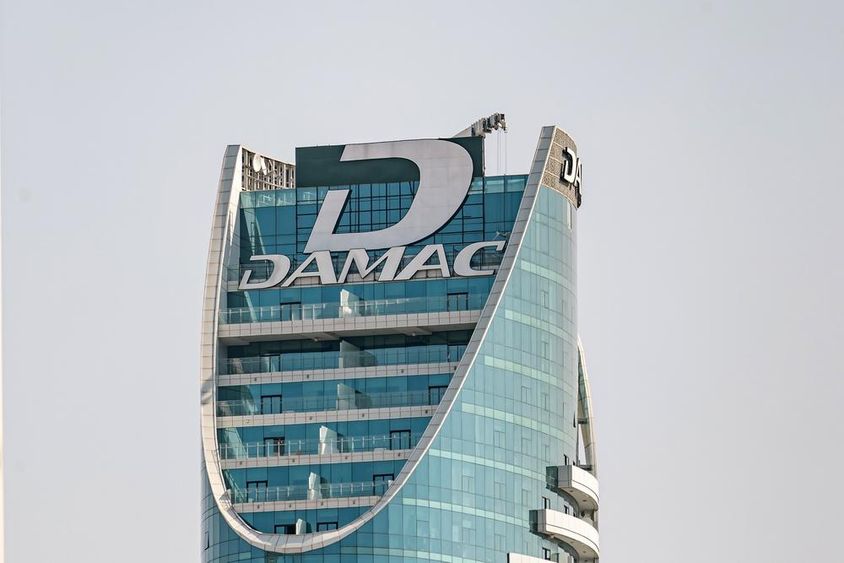
Dubai Real Estate Developers Take Control to Combat Delays
Dubai's real estate market is undergoing yet another transformation. Following an unprecedented wave of development in 2025, when over 167,000 residential units were announced across 648 projects, more developers are choosing to take construction management into their own hands. The aim is to reduce construction delays caused by the overloaded contractor market, a lack of quality builders, and supply chain challenges.
Record Housing Numbers, But Limited Contractor Capacity
According to Property Monitor data, the estimated project volume aimed at housing stock expansion is 131,234 residential units, 81% of which are apartments. While these figures are impressive, the actual deliveries are likely to fall short of expectations since construction takes longer than anticipated. Market participants say the reason is simple: there are not enough reliable contractors capable of delivering large-scale projects on time.
In response, several major developers, including names like Emaar, Ellington, Azizi, and Arada, have decided to handle construction partially or entirely in-house. This so-called vertical integration allows developers to directly oversee timing, budgeting, and quality.
Contractor Partnerships and Contractual Safeguards
In some cases, developers not only hire but also involve contractor companies as co-investors. As a result, the contractor becomes interested in the project's successful and timely completion. Such collaborations are usually based on a Bill of Quantities (BoQ) document that details the materials, work phases, and equipment needs.
Several leading developers sign contracts with contractors even before starting project sales. This can save up to a year normally consumed by tender procedures and partner searches. Practically, this means these projects can start with a 12-month advantage.
Self-funding and Weekly Control
The change in development strategy affects not only the construction method but also financing. More developers are opting not to use bank loans but to finance projects from their own sources. This provides significant flexibility but increases time pressure: with equity tied up, every delay is costly.
For self-financed projects, strict weekly, biweekly, and monthly controls are maintained over construction phases. Project management maintains close daily contact with contractors, and any delay incurs penalties for both the developer and the contractor.
New Development Philosophy: Less Risk, Greater Responsibility
Dubai's real estate development model over the past decade largely relied on sales cycles and external contractors. The new approach, where developers are not just sellers but also builders, represents a profound change. With vertical integration, developers can ensure project smoothness through their own systems, whether it be authorization, construction, logistics, or quality assurance.
Market observers say this model improves not only deadline adherence but also boosts customer confidence. Buyers from a reliable, self-managed developer are more likely to receive their homes on time and as promised in quality.
The Future Path: Complete Control in One Hand
Dubai's real estate market remains an attractive destination for investors and home buyers alike. Development activity is at an unprecedented high, and market dynamics are continually evolving. The fight against delays has now reached a new level: developers are not waiting for external solutions but creating guarantees within their own systems.
This change could, in the long run, reshape the contractor market as well: smaller, less reliable firms might be pushed out, while well-performing, stable-backed companies could play a larger role—even in joint ownership structures.
Summary
Dubai's new real estate development direction sends a clear message to the market: in the interest of speed, quality, and transparency, developers are not afraid to mobilize internal resources. In-house construction is not only a response to delays but a strategic decision that could set a new benchmark on the market in the long run. Those who can work quickly, efficiently, and reliably in this dynamic environment may well hold the future in Dubai's real estate market.
If you find any errors on this page, please let us know via email.


