Dubai Creek Tower's Exciting Comeback
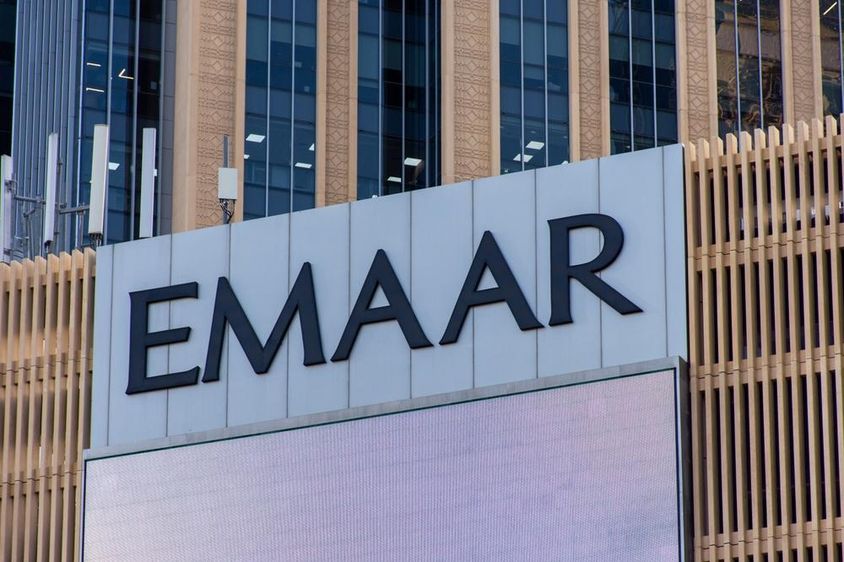
Dubai Creek Tower Gets New Momentum: Emaar to Launch Tender Within Three Months
For years, the Dubai Creek Tower was one of the most promising projects of the future city, but it was shelved due to the pandemic and redesigns surrounding the project. Now it's back in the spotlight, as Emaar Properties announced that within three months, they will launch the tender for the completely redesigned tower. This is not just another construction for Dubai—it is rather a symbol that the city remains at the center of global attention.
Tower Conceived Before the Pandemic
The concept of the Dubai Creek Tower was introduced before the pandemic, positioned then as the successor to the Burj Khalifa—a structure that would surpass current height records and set a new benchmark in global skyscraper construction. The goal was for this building to surpass its predecessor not only in height but also in appearance and function.
However, post-2020, the project was sidelined. The world's focus shifted to survival, healthcare systems, and economic recovery. Many real estate developments were frozen, leaving the Dubai Creek Tower to exist only on paper for a while.
Redesign and New Direction
More than four years later, Emaar has redesigned the project, and the new concept for the tower will be tendered within three months. While specific details—such as the construction timeline, budget, or final height—were not revealed, it is clear that this is not just another record attempt. Emaar's founder, Mohamed Alabbar, stated, "After the Burj Khalifa, height alone is not enough. It's the integration of beauty, environment, and functions that truly matter."
This suggests that the Dubai Creek Tower will not be purely an engineering feat but a complex, aesthetically outstanding urban element that will redefine Dubai as a city, creating a new tourist and economic focal point.
Regional Competition: The Kingdom Tower Challenge
Emaar's new project gained momentum at a time when other countries in the region are also working on ambitious skyscraper plans. Saudi Arabia, for instance, has revived the construction of the Kingdom Tower, which, expected to stand about a mile (1.6 km) tall, will be the tallest building in the world. The emerging competition between the two countries could influence not only the scale of construction but also the future of urban planning.
Dubai Square and the New City Center
The Dubai Creek Tower is not being built in isolation—a whole new district, Dubai Creek Harbour, is forming around it. This includes the Dubai Square project, which will serve as a new type of residential and commercial quarter. Dubai Square Mall, planned to open within three years, will be one of the largest entertainment and shopping centers in the region. Its size will be nearly three times that of Downtown Dubai, with an estimated cost of 180 billion dirhams. Although slightly smaller than the current Dubai Mall, it will play an important role in the city's economic and tourism strategy.
Innovation in Corporate Culture
Beyond announcing the tower project, Alabbar also conveyed important messages about the future of the workforce and changes in corporate culture. He emphasized that most companies today do not need half of their staff and that traditional meetings are obsolete. Emaar, for example, completely banned meetings—even virtual ones—for thirty days in September 2025. According to the CEO, experienced professionals do not need to be in continuous meetings.
This message reflects the innovative spirit that characterizes Dubai and its flagship companies: swift adaptation instead of rigid structures, focused execution instead of overcommunication, and solutions for the future rather than patterns of the past.
What Does This Mean for Dubai?
The Dubai Creek Tower and Dubai Square are not just constructions but strategic responses to the challenges of global urban development. While other cities struggle with overcrowding, outdated infrastructure, or economic shifts, Dubai aims to initiate a new era where the built environment is not only impressive but functional, sustainable, and centered around people.
The future of the tower still holds many open questions, such as whether construction will indeed start on time or if the budget can be maintained, but one thing is certain: Dubai remains a city that does not back down from the impossible. After Burj Khalifa, it's again attempting to break boundaries—not just upwards but outwards towards the people.
This new approach is reflected in the Dubai Creek Tower project: a herald of a new era where urban construction is not just spectacular but thought-provoking.
(Source: Based on an Emaar release.)
If you find any errors on this page, please let us know via email.


