Dubai Bank Bailouts Boost Economic Resilience
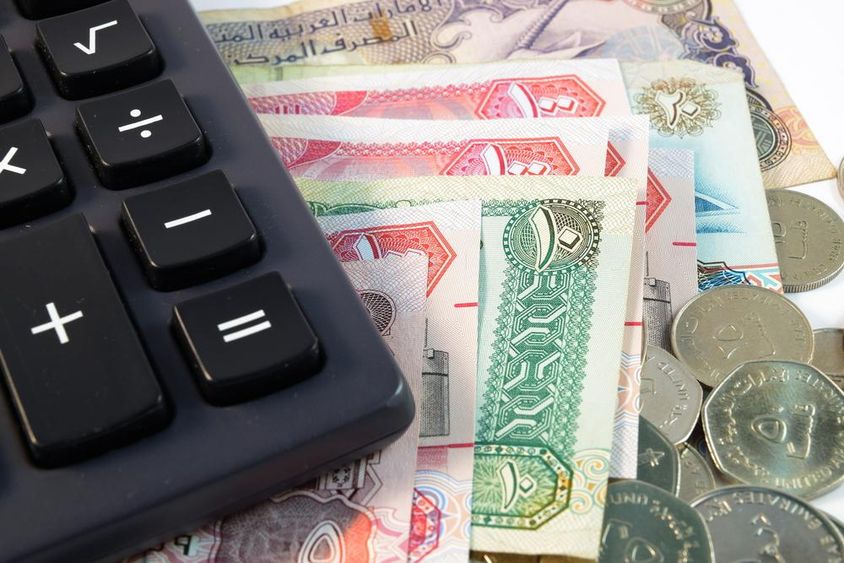
Bank Rescue Packages in Dubai: Sustaining Economic Engines in Uncertain Times
Stability in a Turbulent Environment
Recent geopolitical tensions have posed significant challenges to the global economy, and the Middle East is no exception. Disruptions in trade routes, the vulnerability of supply chains, and the fluctuation of business confidence are factors that demand swift and decisive responses. However, Dubai and the United Arab Emirates have repeatedly demonstrated an ability not only to react to changes but to proactively shape the economic environment.
The rescue packages introduced by the central bank and local financial institutions are not mere crisis management tools but thoughtfully constructed stabilization mechanisms. Their goal is not just to ensure survival but also to preserve growth potential.
A New Level of Financial Resilience
The scale of the financial institutional resilience program is remarkable in itself. Support measures worth potentially hundreds of billions of dirhams indicate that decision-makers are not thinking in small steps. A program of this magnitude can provide a true safety net for both the banking system and its clients.
Feedback from banks indicates these measures have achieved their purpose: softening the impact of external shocks while maintaining the operational capability of the financial system. This is particularly important in an economy where international trade and services play a key role.
Focusing on SMEs
Small and medium-sized enterprises (SMEs) constitute one of the most significant pillars of Dubai's economy. These companies are flexible and innovative yet are more susceptible to external shocks than large corporations. Hence, one main target group for the bank rescue packages is this sector.
Fee waivers, eased credit terms, and restructured repayment conditions all contribute to preventing these enterprises from facing a liquidity crisis. This not only helps the companies survive but also preserves jobs and maintains economic activity.
In practice, this means a business can more easily weather revenue shortfalls while continuing operations, employing staff, and participating in the economic cycle.
Banks and Regulation: A Strong Partnership
One of the most interesting aspects is the cooperation between banks and regulatory authorities. These are not unilateral measures, but ongoing dialogue and joint strategic thinking.
This partnership enables banks to quickly respond to changing circumstances while regulatory frameworks ensure system stability. Together, they create a balance that is rare in many other markets worldwide.
The goal is clear: to maintain a banking system that is stable, flexible, and capable of supporting economic growth even during tough times.
Digitalization as a Strategic Advantage
Developing financial infrastructure also plays a crucial role in the current strategy. New digital payment systems, instant transfer solutions, and open financial platforms all contribute to increased efficiency.
Initiatives like the domestic card system or the instant payments platform not only make everyday financial transactions more convenient but also enhance system resilience. A digitalized system reacts faster, contains fewer errors, and is more scalable.
In this respect, Dubai is clearly investing in the future, not merely addressing present issues.
Security and Customer Protection
However, digital advancement also brings new risks. Protection against electronic fraud is given heightened attention. The use of one-time passwords and stricter identification protocols has already noticeably reduced the incidence of fraud.
This is not just a technological issue but one of trust. The foundation of a stable banking system is customer trust, which can only be maintained if their money and data are secure.
Regulatory authorities play an active role in this as well, constantly updating guidelines and ensuring compliance.
Strong Numbers in the Background
The stability of the banking system is supported not just by political and institutional decisions but by concrete figures as well. The growth of reserves, high levels of liquid assets, and the expansion of the aggregate bank asset portfolio all indicate solid system foundations.
The total asset portfolio valued at several trillion dirhams and substantial liquidity reserves enable banks to handle challenges flexibly. This acts as a kind of safety buffer, reducing the impact of external shocks.
What Does This Mean for the Future?
The current measures go beyond short-term crisis management. They are part of a longer-term strategy aimed at strengthening Dubai and the UAE's position on the global financial map.
A stable banking system, advanced digital infrastructure, and active regulatory presence together create an environment that is attractive to investors and businesses. This is especially crucial in a period when global uncertainty makes many markets unpredictable.
In contrast, Dubai offers predictability and stability, which is a competitive advantage in itself.
Summary: Intentional Building in Times of Crisis
The success of the banking rescue packages is no accident. It is the result of a well-considered, multi-tiered system that simultaneously addresses short-term problems and builds long-term stability.
Supporting small businesses, strengthening the banking system, accelerating digitalization, and enhancing customer protection all point in the same direction: toward a more resilient, modern, and competitive economy.
This approach clearly shows that Dubai does not merely respond to challenges but consciously shapes its own future.
If you find any errors on this page, please let us know via email.