Digital Disruption Paralyzes Dubai's Transport System
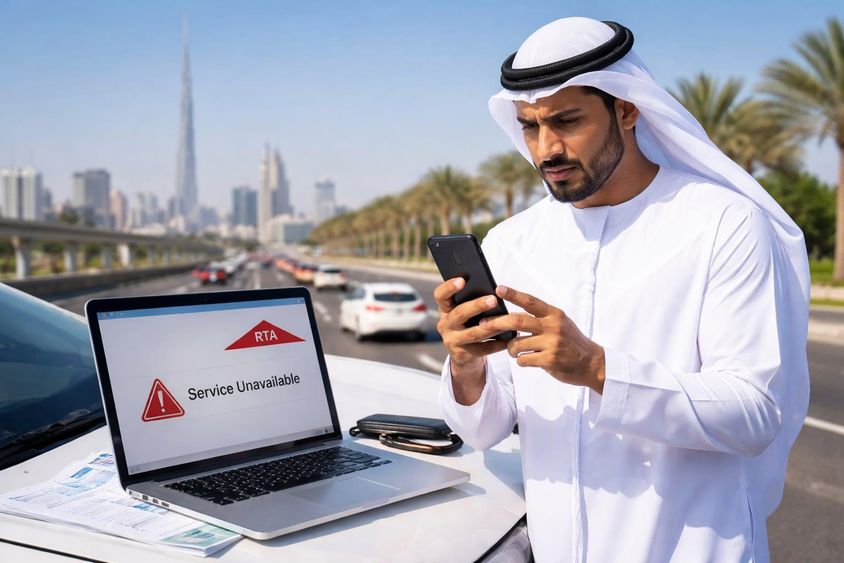
Digital Disruption in Dubai's Transportation: When One System Fails, The Whole City Feels It
In recent days, an unusual situation has developed in Dubai's transportation system, highlighting how heavily the city relies on digital infrastructure. The Roads and Transport Authority (RTA) mobile application and website became partially inaccessible due to technical faults, causing significant disruptions in everyday transactions. Though initially it seemed like a temporary issue, the consequences quickly extended beyond a simple system defect.
When Essential Services Become Unreachable
In Dubai, vehicle transaction processing is almost entirely digital. Renewing vehicle registrations, booking technical inspection appointments, paying fines, or even renewing driver's licenses all happen online. This model has been working efficiently for years, becoming one of the city's strengths.
However, the current technical glitch has revealed the system's vulnerabilities. Due to the app and website malfunctions, many users were unable to perform tasks that would otherwise take just minutes. The problems included slow service loading, errors popping up, and a complete lack of access to information.
Impact on Everyday Life
The disruption particularly affected those with expiring vehicle registrations or urgent administrative needs. Such administration cannot be delayed, as missing deadlines could automatically incur fines.
Many reported attempting to renew their registrations for days without success. Even those who had completed their mandatory technical inspections at an official station, such as within the Tasjeel network, encountered barriers. Without the online system, the process couldn't be finalized.
This situation created a sort of digital stalemate: motorists took all necessary steps yet were unable to complete their administration. The uncertainty grew as no one wanted to be penalized for an error beyond their control.
User Reactions and Frustration
Complaints quickly surfaced on social media. Users widely reported being unable to access the services or continuously running into errors. Some had been trying to renew their driver's licenses for days, while others couldn't even book an appointment for technical inspections.
A particular issue was the inability to pay fines. Due to the system fault, many were unable to clear previous debts, heightening concerns. In some cases, users feared that new penalties would arise while existing ones remained unsettled.
RTA's Response and Communication
The authority responded relatively quickly to the situation. They requested feedback from affected parties via social media and encouraged them to provide their details and problem specifics in direct messages. This indicates that the system failure wasn't an isolated case but a broader technical issue.
The RTA emphasized that the fault was temporary, with experts continuously working on a solution. However, they did not specify a timeline for when services might be fully restored.
Digital Dependence in a Smart City
Dubai has long positioned itself as one of the most advanced smart cities. The digitalization of transactions has made everyday processes faster, transparent, and more convenient. However, such system failures highlight that digitization brings risks as well as benefits.
When a central system goes down, it can trigger domino-like effects. Motorists cannot manage their affairs, impacting traffic, insurance, and even workplace mobility. In such situations, quick response and effective communication are particularly vital.
Lack of Alternative Solutions
One lesson from the current disruption is how limited alternative administrative options are. While Dubai has numerous self-service kiosks and physical service centers, these often also rely on the central system.
When online platforms fail, physical locations cannot fully assume their roles. This is particularly problematic in a city where a significant population has become accustomed to immediate, digital service transactions.
Trust and Future Developments
Such events can impact user trust in the long run. Although a one-time technical issue doesn't fundamentally shake the system, recurring problems could raise more serious questions.
In the future, increased emphasis on system redundancy, the development of backup solutions, and real-time issue resolution are likely. Authorities might also introduce temporary exemptions during such situations, like avoiding late penalties.
Summary
The technical fault experienced in Dubai's transportation system clearly highlights how a modern, digitized city relies heavily on its IT infrastructure. When this infrastructure falters, it exerts an immediate impact on residents' daily lives.
The situation is being managed, and services are expected to be restored shortly. However, the incident carries important lessons: alongside digital progress, stability, resilience, and alternative solutions are indispensable. Dubai's example shows that future cities must be not only smart but also resilient.
If you find any errors on this page, please let us know via email.


