Can Dynamic Pricing Solve Dubai Traffic?
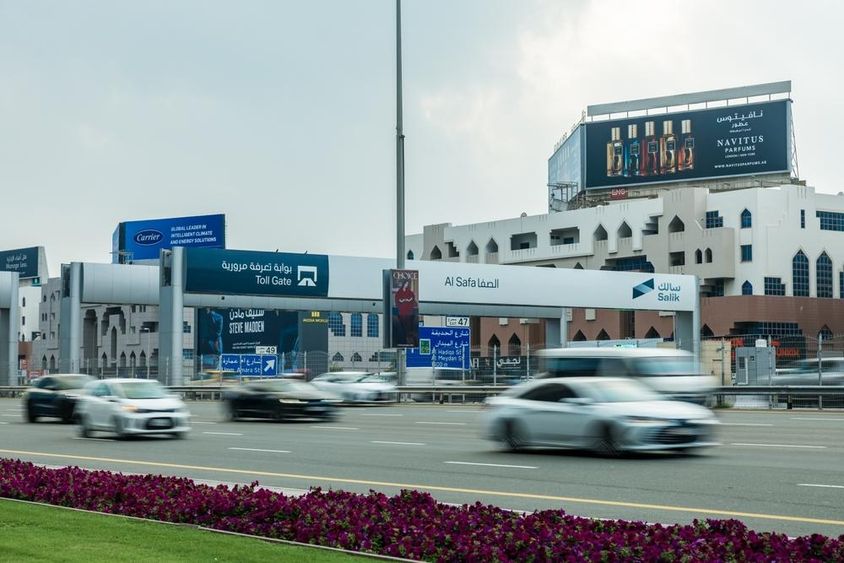
Salik Toll: Can Dynamic Pricing Ease Dubai Congestion?
The Salik company, which operates Dubai's toll system, has recently undertaken significant developments that not only affect urban transportation but also visibly improve its financial performance. Over the years, the Salik system has become a key element in the city's mobility, and now, with the introduction of new toll gates and the application of variable pricing, it has reached a new level.
System Expanded with Two New Gates
In November 2024, Salik inaugurated two new toll gates: one on Al Khail Road at the Business Bay Crossing, and another on Sheikh Zayed Road at Al Safa South Point, between Al Meydan Street and Umm Al Sheif Street. With this addition, the number of Salik toll gates in Dubai has increased to 10. The new gates are located at strategically important sites, aimed not only at increasing revenues but also at distributing traffic more evenly across the city's busier routes.
Variable Pricing: A Flexible Approach to Traffic Control
Starting from January 31, 2025, Salik introduced variable pricing, where higher tolls are charged during peak times, while lower fees apply during less crowded periods. This solution, already in place in many major cities around the world, aims to encourage drivers to choose alternative routes or times, thereby reducing peak-period traffic.
As part of Dubai's smart transportation strategy, this step aligns with the city's long-term goals of reducing congestion, prioritizing eco-friendly solutions, and expanding intelligent transportation infrastructure.
Outstanding Financial Performance and Stable Outlook
Salik's financial results for the first nine months of 2025 are significant: net profit reached 1.14 billion dirhams, marking a 39.1% increase compared to the same period the previous year. The company's free cash flow also grew robustly, reaching 1.47 billion dirhams, reflecting more than a 39% annual increase. Concurrently, the free cash flow ratio rose to 64.7%, indicating an exceptionally healthy financial structure.
The company's debt level also remained at a safe level: net debt to EBITDA was only 2.61x as of September 30, 2025, well below the prescribed 5.0x threshold. This ratio signifies important financial stability and ensures Salik's easy access to capital markets if needed.
Upgrade: Strengthening International Confidence
Fitch Ratings upgraded Salik's investment rating from A– to A, with a stable outlook. This decision was attributed to several factors: Salik's exclusive position in Dubai's toll system, its low indebtedness, and its long-term concession agreement with the Roads and Transport Authority (RTA), which ensures long-term revenue streams.
The upgrade is driven not only by the numbers but also by the company's business model, which meets international standards and enjoys significant international trust. Such ratings play a crucial role in enabling the company to access funding on competitive terms, should financing be required in the future, even though it currently plans no public debt issuance.
Salik's Role in Dubai's Future
Salik's development is closely linked to Dubai's vision for the future. The city's goal is to lead globally in smart transportation systems and sustainable urban mobility. The introduction of new technologies, dynamic pricing, and the strategic expansion of toll gates all aim to make Dubai's transportation more efficient, greener, and more livable.
In the long run, city leadership strives to create a transportation network that not only optimizes car travel but also integrates public transportation and alternative mobility forms (e.g., cycling, e-scooters). In this system, Salik plays a key role by applying incentives that influence individual transportation decisions.
Conclusion
The Salik company's example demonstrates how a transportation infrastructure operator can be both operationally and financially successful while actively contributing to the realization of a smart city strategy. The introduction of new gates, dynamic pricing, and the financial successes achieved to date all prove that well-managed public services can not only serve the interests of the population but also offer a stable, profitable business model from an investor's viewpoint.
Salik is thus not just a toll system, but also a driving force in Dubai's journey towards sustainable urban development and intelligent infrastructure.
(Source of the article based on Salik Company announcement.)
If you find any errors on this page, please let us know via email.


