Blizzard Paralyzes Flights on US East Coast
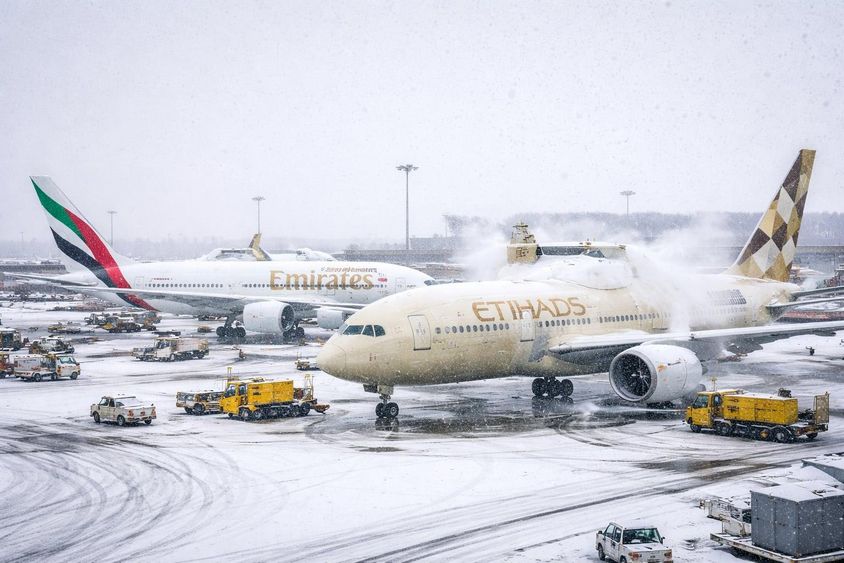
Blizzard Paralyzes US East Coast: Flight Cancellations and Rescheduling by UAE Airlines
A rapidly intensifying blizzard striking the eastern coast of the United States has caused significant disruptions in air travel, particularly in the New York and Newark areas. Cities along the densely populated and economically vital northeast corridor, such as Philadelphia, Boston, and Washington, were preparing for severe weather conditions. Meteorological services warned of blizzards, snowfall exceeding an inch per hour, and gale-force gusts that could make travel virtually impossible.
The storm's effects were felt quickly: two major UAE airlines, Emirates and Etihad Airways, canceled and rescheduled multiple flights to and from the affected American destinations. The clear priority behind these decisions was the safety of passengers and crew, while local authorities also urged residents to travel only in essential situations.
Flight Cancellations and Changes: Specific Measures
Dubai-based Emirates canceled several flights to and from New York (JFK) and Newark (EWR), including Dubai–New York, New York–Dubai, Athens–Newark, and Newark–Athens routes on critical days. Additionally, some flight schedules were adjusted: certain planes departed earlier from the United States, while others left Dubai’s airport late to align with anticipated weather windows.
For rescheduled flights, the airline noted that connecting passengers would be automatically rebooked to their final destinations. Affected travelers were advised to regularly check their flight status and update their contact information to receive notifications via SMS or email. Those who booked through a travel agency were to contact the agency, while direct bookers could manage their rebooking or refund requests through the airline’s customer service.
Abu Dhabi-based Etihad also canceled several New York and Boston flights and adjusted some departure times. Some flights left four to five hours earlier or later than planned to avoid the blizzard's fiercest periods. The company emphasized that schedule changes might further be needed depending on weather developments.
Why is the Situation so Severe?
This storm is particularly dangerous as it brings not only intense snowfall but heavy, wet snow and strong winds. Meteorological forecasts indicated that snowfall rates could exceed one inch per hour in some periods, resulting in rapidly accumulating snow layers. The weight of the wet snow also poses a risk of mass power outages, as ice accumulating on wires and trees could cause significant burdens.
New York City is particularly sensitive to such weather events. This could be the first blizzard to directly hit the metropolis since 2016. Both city authorities and residents are bracing for the storm, given a recent January superstorm affecting the eastern US resulted in over a hundred deaths and major disruptions.
The Vulnerability of Global Air Travel
The current situation again highlights how vulnerable international air travel is to extreme weather phenomena. Although modern aircraft and airports are technologically equipped to operate in adverse conditions, safety takes precedence beyond certain limits. In blizzards, the challenges are not just reduced visibility and icy runways, but also the ground transport of crew and passengers and the load capacity of airport infrastructure.
For Dubai and Abu Dhabi-based airlines, the US east coast is an especially important market. The network of transatlantic and long-haul flights handles significant passenger traffic both for business and tourism. Thus, a weather event of this magnitude has not only local but global impacts as it can trigger chain reactions in transfers, connections, and aircraft rotations worldwide.
What Can Passengers Do?
In the current situation, the most important thing is continuous information. Affected passengers should regularly check their flight status through official airline channels. Updating contact details is crucial as timely notification can help develop alternative plans.
For those with urgent travel needs, adopting a flexible approach to changes is advisable. Airlines usually strive to rebook passengers as soon as possible, but extreme weather could cause further delays or cancellations. In such cases, a refund option is also available if the passenger chooses it.
Safety Above All
While flight cancellations and delays cause inconvenience, the decisions are clearly based on safety. The aviation industry operates within strict regulatory frameworks, and managing weather risks is a top priority. This blizzard again reminds us that even the most advanced infrastructure can face limits against nature's power.
In the coming days, everything will depend on how the weather unfolds. As conditions improve, flights can gradually return to their normal schedules. Until then, passenger patience and cooperation are needed to ensure safe and smooth travel can resume between Dubai, Abu Dhabi, and the United States.
If you find any errors on this page, please let us know via email.