Airlines Adjust Routes Amid Rising Tensions
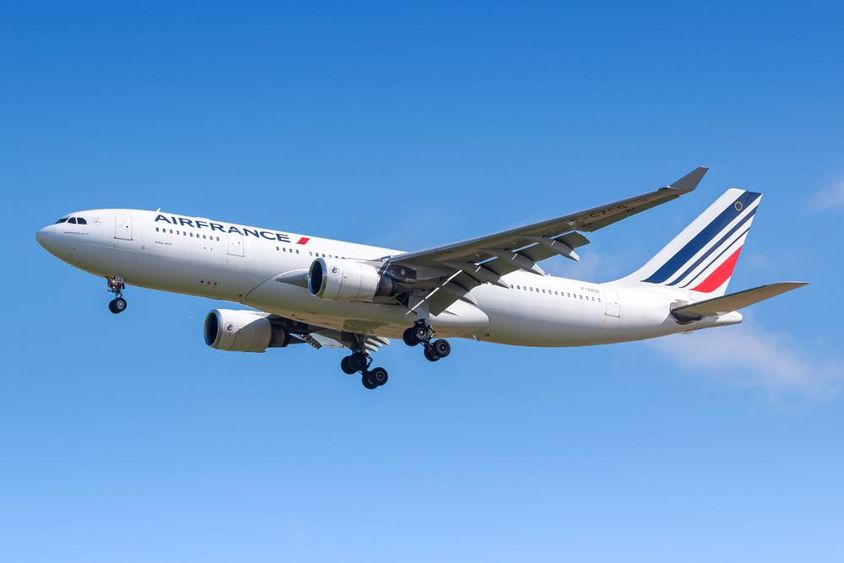
Airlines Respond to Middle Eastern Tensions: Air France and KLM Suspend Dubai Flights
One of the world's busiest air routes has been affected by the escalating Middle Eastern tensions: Air France has announced the temporary suspension of its Dubai flights, while the Dutch KLM has reported broader suspensions for flights to several cities in the Middle East. The decision is based on the geopolitical instability of the region, which presents significant challenges not only for airlines but also for passengers and the economy.
Suspension of Dubai Flights: A Safety Issue or Political Statement?
The French national airline, Air France, stated in an official announcement that the current Middle Eastern situation prompted the temporary suspension of its Dubai flights. The company emphasized that they continuously monitor developments in regions that they fly over or serve directly. The decision is thus not based solely on one city but on the security situation of the entire region.
According to Air France communications, their primary goal is to ensure the safety of passengers and crew, being ready to adjust timetables or establish alternative routes as necessary. The decision stems from increased military activity and rising risks in air travel due to diplomatic tensions between various countries.
KLM's Decision: Broader Flight Suspensions and Avoidance of Airspaces
The Dutch KLM also announced on Friday that it is suspending flights to several Middle Eastern cities, including Dubai, Tel Aviv, Dammam, and Riyadh, for an indefinite period. Additionally, the airline has decided not to fly through the airspaces of Iraq, Iran, Israel, and other Gulf countries. Although the airline did not elaborate on the reasons for the suspensions, they stated to the Dutch public broadcaster (NOS) that they are in constant contact with Dutch authorities.
This decision illustrates that airlines are not only assessing destination risks but also the safety of the routes leading there. Avoiding regional airspaces can entail significant additional costs, longer flight times, and logistical challenges, but companies prioritizing safety do not take on these risks lightly.
Impact of U.S. Military Movements on Air Travel
U.S. President Donald Trump stated on Thursday that an American "armada" is heading toward the Persian Gulf, with the United States closely monitoring Iran's actions. Although the White House had previously downplayed the likelihood of military intervention, Trump confirmed that preparations are ongoing, with a significant naval presence expected in the region.
Such military movements, even without direct conflict, cause serious concern among international airlines, as potential airstrikes, misunderstandings, or accidental events could have tragic consequences for air traffic. It is no coincidence that airlines adhere to the principle of caution when facing even the smallest threat.
Passengers, Schedules, and Economic Consequences
These decisions are already having an immediate impact on air traffic. Passengers who had booked tickets for these flights are forced to find alternative solutions—many considering transits through other major cities in the region, while others have to postpone or cancel their journeys.
The suspension of Dubai flights particularly affects business travelers, as the city is one of the largest economic and aviation hubs in the Middle East. Tourism, international trade, and expatriate mobility may suffer if other airlines follow the example of Air France and KLM.
What Does the Future Hold?
It is currently unknown how long the suspension of flights will last. Both Air France and KLM have indicated that they will continuously monitor the situation, and they may reinstate flights if circumstances improve. However, if geopolitical tensions escalate further, other airlines might take similar steps, and an international aviation crisis could develop in the region.
The delicate balance of the Middle Eastern situation is influenced by diplomatic maneuvers, military actions, and domestic political events. In this unpredictable environment, the cautious decisions of airlines appear justified, even if they cause short-term inconvenience for passengers.
Summary
The suspension of Air France’s Dubai flights and KLM’s broader halts demonstrate how quickly international aviation responds to geopolitical changes. These decisions are based not only on caution but also on an increasingly complex security environment. In the coming days and weeks, attention will likely focus on diplomatic developments—not only from a political perspective but also considering transportation and economic aspects.
(Article source: Based on Trump's statement.)
If you find any errors on this page, please let us know via email.


