Airlines Adapt During Regional Tensions
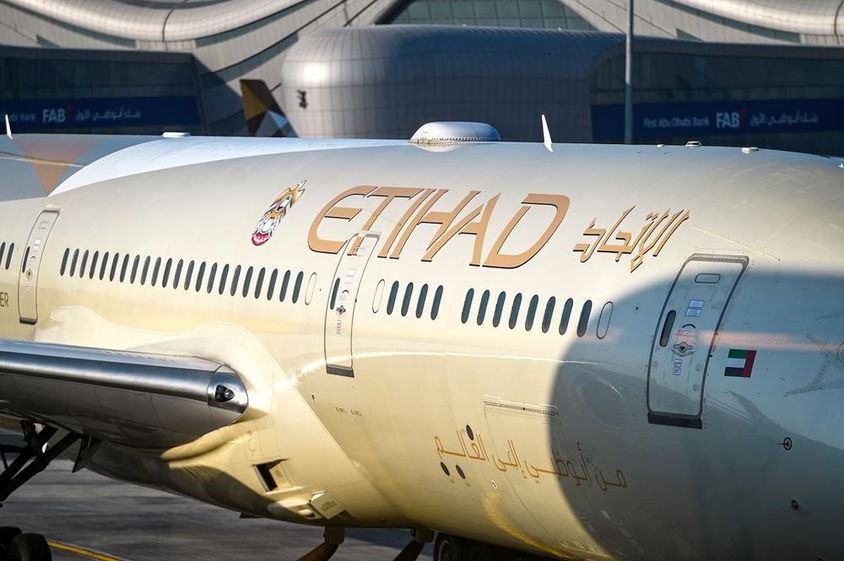
Flexibility in Uncertain Times: How Airlines Adapt to Regional Tensions
The world of travel has always been sensitive to geopolitical changes, but recent events have particularly highlighted how quickly a seemingly stable system can transform. The aviation sector of the United Arab Emirates—especially with hubs in Abu Dhabi and Dubai—finds itself in a situation where adaptation is not optional, but a fundamental requirement. One of the most important steps in this process was the announcement by a leading national airline that it would waive change fees for certain conditions over an extended period.
New Rules, New Travel Logic
The essence of the decision is that for tickets issued during a specified period, passengers can make one date change free of charge. This may initially seem like a minor relief but is actually a significant strategic move. With this, the airline is conveying that it understands that travelers today cannot make plans with certainty months in advance.
It is important to note that flexibility is not comprehensive. No-show fees and costs associated with refunds remain in effect, creating a balance between the company's business interests and passengers' needs. This model is a kind of compromise: it provides room to maneuver but does not entirely abandon regulation.
The Price and Management of Uncertainty
One of the biggest challenges of the current situation is not the conflict itself, but its unpredictability. A flight can depart on time, and just a day later it may have to operate under completely new conditions. This uncertainty affects not only passengers but the entire industry.
For example, the composition of ticket prices is becoming increasingly complex. Changes in taxes, weekend and peak-time surcharges, as well as so-called blackout periods are all factors that influence the final price. For passengers, this means that a ticket price is not static but part of a continuously evolving system.
Dubai and the Region's Role in Global Transportation
In recent years, Dubai has become one of the world's most important aviation hubs. This role, however, entails not only advantages but also responsibilities. When tensions arise in the region, their impact is immediately felt in the global travel network.
Nevertheless, the majority of flights continue to operate. Airlines have not ceased operations but have reorganized their activities. They open new routes, offer alternative destinations, and continuously communicate with passengers. This kind of flexibility allows Dubai and the region to remain key players.
Not a Standstill, but Rearrangement
An interesting phenomenon is that while many have become more uncertain about traveling, others are starting to plan more intensely. According to reports from travel agencies, it is not the number of cancellations that has drastically increased, but rather rebookings.
This means people are not giving up on travel, just adapting. If a particular destination becomes riskier, they simply head in a different direction. Europe, Asia, Africa, or North America remain accessible, and travelers are increasingly making conscious choices among these.
Long-term Investments in an Uncertain World
The decisions of airlines concern not only the present but the future as well. Significant profit increases show that the sector is capable of strong performance even under more difficult circumstances. As a result, long-term developments can also be initiated.
Investing in new aircraft, service development, and improving passenger experience are all areas where significant amounts are being invested. This may seem contradictory during uncertain times, but it is actually a logical step: those who develop now will gain a competitive advantage later.
Travelers' New Mindset
One of the most interesting effects of the current situation is the change in travelers' behavior. Flexibility has become much more important than price. Instead of a cheap but inflexible ticket, many now choose a more expensive but flexible option.
In addition, the importance of information has increased. Passengers do not set off without checking the status of their flights. Airlines are communicating on more channels to meet this demand.
Conclusion: The Dawn of a New Era in Travel
The current period is not simply a temporary disruption, but the beginning of a deeper transformation. The world of aviation is moving towards a direction where flexibility, quick reactions, and sensitivity to passengers' needs become the most important factors.
Dubai and the United Arab Emirates remain key players in this system. The steps taken by airlines show that they are not just reacting to changes but actively shaping them. For passengers, the message is clear: traveling does not stop, it just transforms.
If you find any errors on this page, please let us know via email.


