Air France Resumes Dubai Flights Amidst Tensions
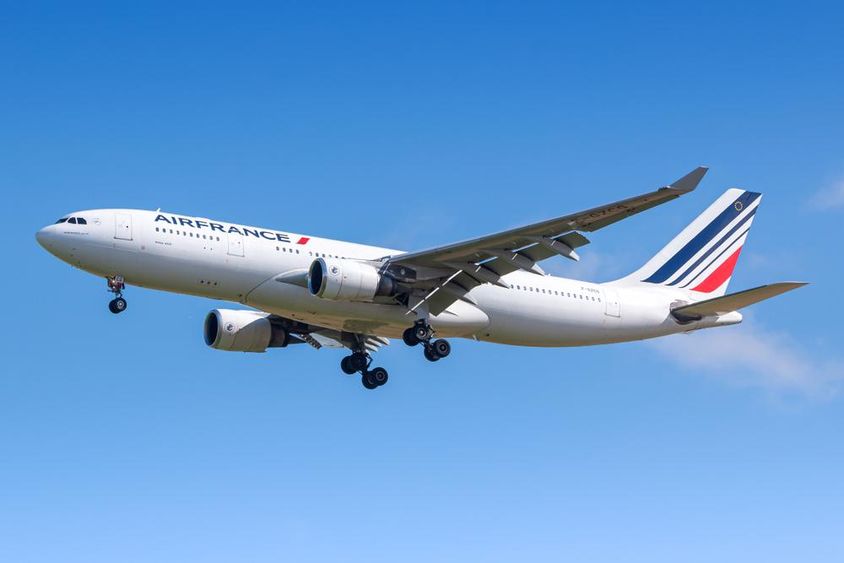
Air France Resumes Dubai Flights Amidst Geopolitical Tensions
In recent weeks, increased geopolitical tensions have led several European airlines to temporarily suspend some of their Middle Eastern flights. Among these, Air France—a well-known player—announced on Friday the suspension of flights to Dubai, citing safety concerns. However, just a day later, on Saturday, they resumed service after determining that the security situation allowed for safe travel.
Background of the Decision: Increasing Regional Tensions
Tensions between the United States and Iran, lingering for years, have recently flared up again. The U.S. administration's actions—including deploying a fleet of warships (an "armada") to the Persian Gulf—highlight the rapidly changing security circumstances in the region. Although the U.S. leadership later emphasized that they do not seek immediate military action, the warning was clear: Washington is closely monitoring Tehran's moves.
All this posed a significant risk to commercial aviation, especially in regions where flights might traverse potentially dangerous airspaces. Airlines, adhering to international regulations and their own safety protocols, must assess whether to continue operating these routes under such conditions.
Air France's Response and Resumption of Services
The French airline emphasized in its statement that the safety of passengers and crew is a primary concern. For this reason, they suspended flights to Dubai on Friday, initiating a thorough evaluation of the security situation. Thanks to a swift and responsible decision-making process, the regular schedule was reinstated the following day, Saturday.
Before this decision, they maintained continuous contact with European and international aviation security organizations, monitoring current intelligence reports and satellite observations, which led them to conclude that flights could resume safely.
KLM and Other Airline Perspectives
In contrast, the Dutch KLM, part of the same holding as Air France, took a more conservative approach. According to information from the Dutch public broadcaster, KLM has halted flights not only to Dubai but also to several other Middle Eastern cities, avoiding the airspace of regions like Iraq and Iran, even when alternative routes exist. This decision clearly reflects how airlines respond differently to the same security concerns, based on their risk assessment models.
From passengers' perspectives, this means that while some airlines have returned to their regular operations, others are more cautious, possibly considering suspensions of several weeks or months until the security environment fully stabilizes.
Why is Dubai Important in this Situation?
Dubai is one of the most crucial hubs in global air travel, serving not just millions of tourists, but also business people, diplomats, and transit passengers. The city's airports—particularly Dubai International Airport—are among the busiest in the world. Therefore, a suspension of flights like this is not just a national or city-level issue, but affects the entire dynamic of global air travel.
The temporary suspension and quick resumption of flights also show that Dubai's role remains critical in the future, and international airlines are not keen on relinquishing this strategic hub, even temporarily.
Flight Safety: Where's the Line?
The direct impact of geopolitical tensions on commercial aviation is not a new phenomenon. In recent years, several events—ranging from military operations, missile attacks, to airspace closures—have led airlines to reroute or completely halt operations.
During these times, passengers rightfully question the safety of certain destinations. Airlines and international organizations work within strict protocols aimed at thoroughly assessing risks before making any decisions. Air France's example shows that quick but responsible measures can help avoid major disruptions while maintaining passenger safety.
What to Expect in the Near Future?
The political and military situation in the Middle East remains unstable, posing ongoing challenges for the aviation industry. In the future, similar situations will likely present not just technical and logistical challenges, but also significant tests for the safety culture and crisis management capabilities of airlines.
Dubai's position as an international aviation hub remains strong. The city is likely to continue attracting the world's leading airlines, which, even if they temporarily suspend flights, do not wish to forgo this strategic destination in the long term.
Summary
Air France's decision to resume flights to Dubai after a short pause reflects the airlines' ability to adapt to the ever-changing security environment. In aviation, swift decision-making and precise risk assessment are crucial, especially in geopolitically sensitive regions like the Middle East. This reinforces Dubai's prominent role in international air traffic, proving that the city remains an indispensable destination both economically and strategically.
(Source of the article: Based on an Air France press release.)
If you find any errors on this page, please let us know via email.


