AI Revolutionizes the UAE Job market
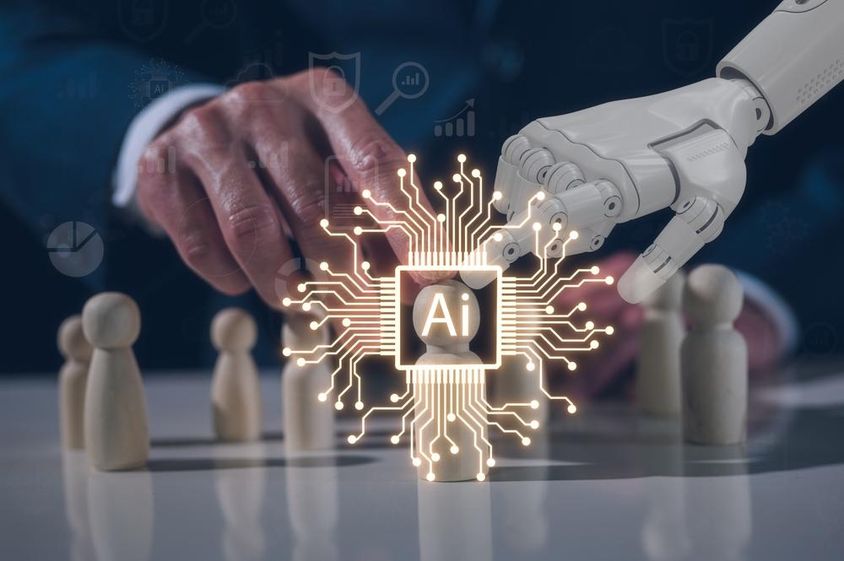
Artificial Intelligence and Job Hunting in the UAE: A New Era in the Labor Market
The labor market in the United Arab Emirates clearly entered a new phase in 2026. The application of artificial intelligence (AI) is no longer just the privilege of the technology sector but is increasingly becoming a common expectation across all industries. According to the latest research and labor market reports, it is clear that job seekers without basic AI knowledge may easily miss out on the best opportunities. This change is particularly noticeable in developing and digitalizing economies like the UAE.
AI as a New Selection Criterion
According to data published at the end of last year, nearly half of UAE recruitment professionals stated that they could not perform their work without artificial intelligence. More than three-quarters of respondents believe that AI has helped them fill vacant positions more quickly and effectively. This trend is particularly emphasized through data from LinkedIn and other professional platforms that show artificial intelligence has now become an integral part of recruitment processes, from pre-screening candidates to conducting interviews.
AI is no longer just a bonus skill; it is increasingly becoming a basic requirement. Employers are not necessarily specifying the use of particular AI tools but are focusing on skills such as systemic thinking, designing automated workflows, making reporting more efficient, or optimizing decision-making processes.
Not Just the IT Sector: Every Field is Affected
Many still believe that artificial intelligence only plays a role in technology positions. However, this is not the case in the UAE labor market. According to data from the largest recruitment platforms, by 2025, every tenth job advertisement referenced automation, system-based workflows, or artificial intelligence—regardless of whether the position was officially advertised as an "AI role."
This change is most evident in industries such as engineering design, real estate development, consulting, energy, and even in construction and the oil and gas industry. In these sectors, automation was previously less common, but now design, safety, compliance, and operational functions increasingly rely on AI-supported solutions.
What Does This Mean for Job Seekers?
The most important takeaway is that professional history and previous positions alone are no longer sufficient. Successful applicants will be those who can demonstrate how they have used systems, data, or automated solutions to improve their work efficiency. Having AI skills is no longer just an advantage - it is increasingly a basic expectation.
More HR professionals are using 'soft' filters to screen out candidates who do not possess at least basic AI knowledge, even if the position is not technical in nature. This does not mean that experience or titles do not matter, but it does mean that those who can prove AI competence are increasingly topping the list.
AI in the Workplace—Becoming the New Norm
Companies in the UAE not only expect AI knowledge but actively apply it as well. According to a recent survey, two-thirds of professionals in the region regularly use artificial intelligence-based solutions in their work. The most commonly cited benefits are increased productivity, support for creativity, and communication efficiency.
The range of application areas is also continuously expanding. In fields such as analytics, business support, operations, planning, or design, AI is not a supplement but an integrated function. New job descriptions often no longer start with a list of tasks but with a list of skills and achievements that include AI tools.
Prepare for the Change
Those who want to keep pace with the rapidly changing market should delve into AI-based thinking and work practices as soon as possible. AI certifications, workshops, online courses, or even personal projects are excellent ways to supplement a candidate's portfolio. It is not necessarily programming skills that are decisive, but whether the professional can interpret, apply, and integrate AI into their own field.
In the UAE, the labor market now clearly favors those who can adapt to technological innovations and who not only understand but actively use them in their work.
Summary
Artificial intelligence is no longer the music of the future, but the reality of the present in the UAE labor market. Those who wish to remain competitive must acquire at least basic knowledge in this area. However, those who can recognize and effectively apply AI's possibilities in their work will find more doors opening—regardless of the sector they work in.
This shift in perspective not only changes the way job searching is done but fundamentally reshapes how workplaces operate and develop in the UAE's dynamic economic environment.
(Source of the article: LinkedIn research.)
If you find any errors on this page, please let us know via email.


