Abu Dhabi Strengthens Energy Sector Security
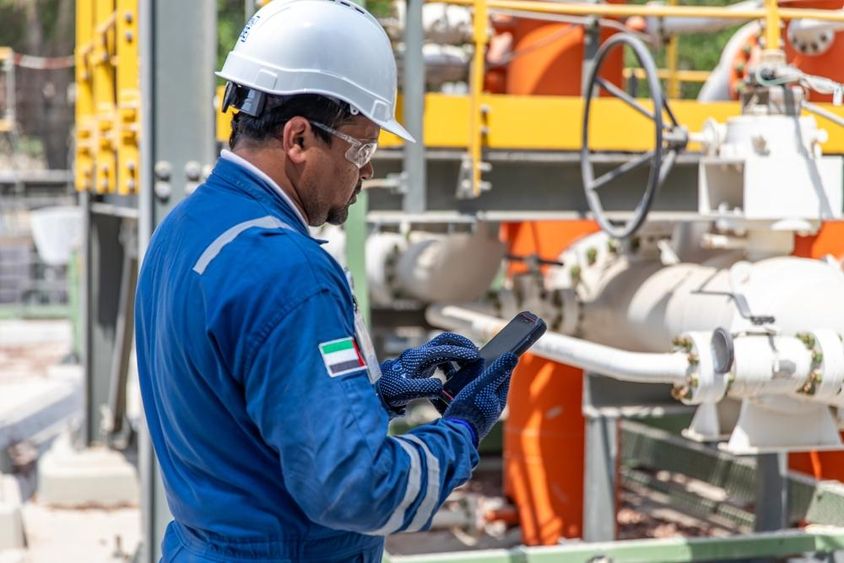
Increased Security Measures in Abu Dhabi to Protect the Energy Sector
One of the United Arab Emirates' key economic centers, Abu Dhabi, is taking further steps to enhance the security and stability of its energy sector. Authorities have announced intensified inspections and security measures for oil storage, trading, and transportation facilities operating in the emirate. The decision aims to ensure the uninterrupted operation of industrial infrastructure and the safety of residents and workers under all circumstances.
This move highlights the strategic importance of the energy industry in the region's economy, where authorities pay special attention to protecting critical infrastructure. The inspections will not only check compliance with operational regulations but also assess the operation of modern security systems and the timely recognition of potential risks.
The Key Role of the Energy Sector in the Emirate's Economy
In Abu Dhabi's economic structure, the energy sector holds significant importance. Oil and gas production, along with related logistics and trading activities, have been foundational to the emirate's development for decades. The storage facilities, refineries, terminals, and transportation systems form a complex network whose secure operation is essential for the stability of regional and global energy markets.
This network serves not only exports but is also a vital part of the country's internal energy supply. Therefore, any measure that strengthens security directly impacts industrial operations, economic confidence, and international trade.
More Frequent Inspections in Industrial Facilities
One of the most important elements of the new measures is the introduction of more frequent on-site inspections. Expert teams regularly visit oil storage sites, energy trading centers, and transportation infrastructure, where they conduct detailed examinations of operational procedures, the condition of industrial equipment, and the functionality of emergency systems.
The goal of these inspections is not merely to oversee compliance with regulations. Authorities also aim to timely identify potential technical or operational risks. The systems operating within industrial facilities are highly complex, so prevention and precaution are crucial to maintaining security.
Early Warning Systems and Automatic Shutdowns
An essential component of modern energy facilities is advanced security technology. Authorities pay special attention to overseeing early warning systems that can timeously signal any anomaly or potential hazard.
These systems continuously monitor industrial processes, such as pressure, temperature, or the operation of various equipment. Should the system detect a discrepancy, it immediately sends an alert to operators.
Automatic emergency shutdown mechanisms also play a crucial role. These systems are capable of immediately halting processes in critical situations, thereby preventing larger industrial accidents.
Close Cooperation Between Authorities
The security measures are not based on the work of a single organization. Various authorities closely collaborate to ensure a unified and effective control system operates across all areas of the energy sector.
Maintaining industrial security requires the coordinated work of several sectors, including energy regulation, logistical control, transportation infrastructure oversight, and emergency response readiness.
This cooperation enables swift and effective responses in any extraordinary event, minimizing potential damages and risks.
The Role of Prevention in Industrial Security
In protecting industrial infrastructure, prevention plays a key role. A modern security approach focuses not only on managing problems but on identifying and avoiding them beforehand.
Regular inspections, continuous technical maintenance, and the application of new security technologies all contribute to the stable operation of the energy sector. Such measures are particularly important in regions where the energy industry is a crucial economic factor.
In the field of industrial security, no risk is taken lightly. The goal is for every facility to meet the strictest standards and be prepared to handle unexpected situations.
Regional Stability and Economic Confidence
Strengthening security measures is not only an industrial issue but also a step of economic and strategic significance. The stable operation of the energy sector contributes to economic confidence in the region and plays a vital role in the predictability of the global energy market.
The United Arab Emirates has long strived to appear as a reliable partner in international energy supply. One of the prerequisites for this is maintaining high-level security and operational standards.
Such measures send a message to international market players that energy supply and commercial infrastructure operate in a stable and well-monitored environment.
Impacts on Other Economic Centers of the Region
The security of the energy industry is crucial not only for Abu Dhabi but also for the entire country's economic system. The economies of the emirates are closely interconnected, so industrial stability can indirectly impact other cities, such as Dubai's economic operations.
Dubai, for example, is a regional hub for trade, financial services, and tourism, heavily reliant on the country's stable infrastructure. Thus, the security of the energy sector indirectly strengthens the entire country's economic functioning.
A Long-Term Security Strategy
The newly introduced measures are part of a broader, long-term security strategy. The continuous development of the energy sector brings forth new technologies, infrastructure, and increasingly complex systems, all posing new challenges.
Authorities are therefore constantly developing oversight methods, placing growing emphasis on digital monitoring systems, AI-supported supervision technologies, and rapid response security protocols.
This approach ensures that the energy sector remains stable, secure, and reliable in the future.
Summary
The enhanced security measures implemented in Abu Dhabi indicate that protecting the energy sector is a top priority in the emirate. More frequent inspections, oversight of advanced warning systems, and close cooperation among authorities all serve the purpose of ensuring industrial infrastructure operates safely and smoothly.
Such actions not only reinforce the operation of industrial facilities but also boost economic stability and international confidence. The security of the energy sector thus concerns not just the functioning of an industry but the economic future of an entire country.
If you find any errors on this page, please let us know via email.


