2026 UAE Ramadan Donation Rules Unveiled
Ramadan 2026 in UAE: Rules for Zakat Al Fitr, Fidyah, Kaffarah, and Donations
The Council for Religious Affairs has issued detailed guidelines for the 2026 Ramadan month in the United Arab Emirates regarding Zakat Al Fitr, the atonement payments (fidyah), the expiation (kaffarah), as well as the value and distribution of iftar meals. The aim of these new guidelines is to make donation practices more transparent, uniform, and effective for both individuals and charitable organizations.
Zakat Al Fitr: The Obligatory Donation of the Fasting Month
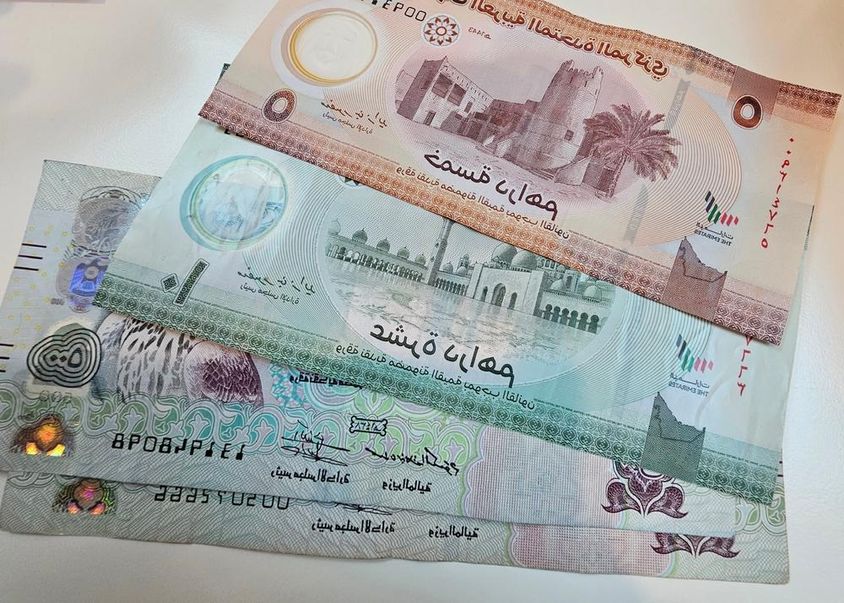
Zakat Al Fitr is one of the fundamental charitable obligations at the end of Ramadan, which applies to every Muslim believer. According to the Council's announcement, its value in 2026 is 2.5 kg of rice or its monetary equivalent, i.e., 25 dirhams per person. This amount must be completed after the fast concludes and by sunset on the day of Eid, at the latest. The ideal time is after the Fajr prayer (pre-dawn prayer) so that the donation truly aids the needy in festive meals.
For those who wish to deliver the donation earlier, it is possible to do so a few days before Eid to avoid congestion at charitable organizations. However, donations made after sunset are no longer interpreted as the usual Zakat but as a replacement (qada).
Fidyah: Redemption for Missing the Fast
Fidyah is introduced for those who cannot observe the Ramadan fast due to health or other serious reasons. In such cases, a redemption of 3.25 kg of barley or 20 dirhams per person per day must be paid, which directly reaches the needy. The Council emphasized that this amount truly goes to the poorest, so it is important for donations to be made only through reliable organizations.
For prohibited actions during Hajj or Umrah, the fidyah amount is 120 dirhams, which must be distributed among six different recipients.
Kaffarah: Atonement for Intentional Breach of Fast
Kaffarah is the atonement for deliberately invalidating the fast or breaking a religious vow. In this case, the Council has set a donation amount of 1,200 dirhams per day, which should be distributed among 60 people (20 dirhams each). For a sworn promise that is then broken, the kaffarah amount is 200 dirhams, distributed to 10 persons.
This proportionality also indicates that religious regulations emphasize real responsibility and restitution, not merely punitive financial requirements.
Iftar Meals' Price and Importance
The value of iftar meals to break the fast has been set at a minimum of 20 dirhams per serving. This amount ensures that the needy receive quality food every evening, providing not only physical but also spiritual relief during Ramadan.
The Council highlighted that supporting iftar is not just a duty but an opportunity to strengthen community bonds with those in need.
Why Were Values Standardized?
The newly determined values were not set arbitrarily but are based on a comprehensive study covering the entire Emirates. The Council for Religious Affairs, in collaboration with the Ministry of Economy and Tourism, conducted field investigations, consulted with food traders, and conducted price surveys of basic food items.
This thorough methodology ensures that the recommended amounts align with the current economic situation and fairly reflect local price levels. The goal of standardization is not just to ensure fairness but to support smooth transaction implementation for both donors and beneficiaries.
Monetary Donation or Food?
The Council confirmed that monetary donations are equally valid as food contributions based on historical precedent. In the modern world, monetary support is often more practical, as it allows the needy to decide for themselves what they need most.
However, the Council also reminded that donations should be sincere and genuine—the value lies not only in the amount but also in the intent.
Official Channels for Donations
Zakat, Kaffarah, and Fidyah donations should be completed exclusively through official organizations. Such include the Zakat Fund through the Department of Religious Affairs and Charitable Activities, the Emirates Red Crescent, and recognized and certified charitable associations and centers. These ensure that donations truly reach their target and are used transparently.
Summary
Ramadan is not just a time of fasting but also of charity, self-reflection, and compassion. The donation values and regulations announced by the United Arab Emirates help ensure that every believer can fulfill their religious duties more easily and clearly. The unified system brings security, fairness, and organization to the world of donations, especially during a busy period like Ramadan. Those who give not only help others but also elevate their own spirit.
If you find any errors on this page, please let us know via email.


