1,200 Robotaxis Set to Transform Gulf Region
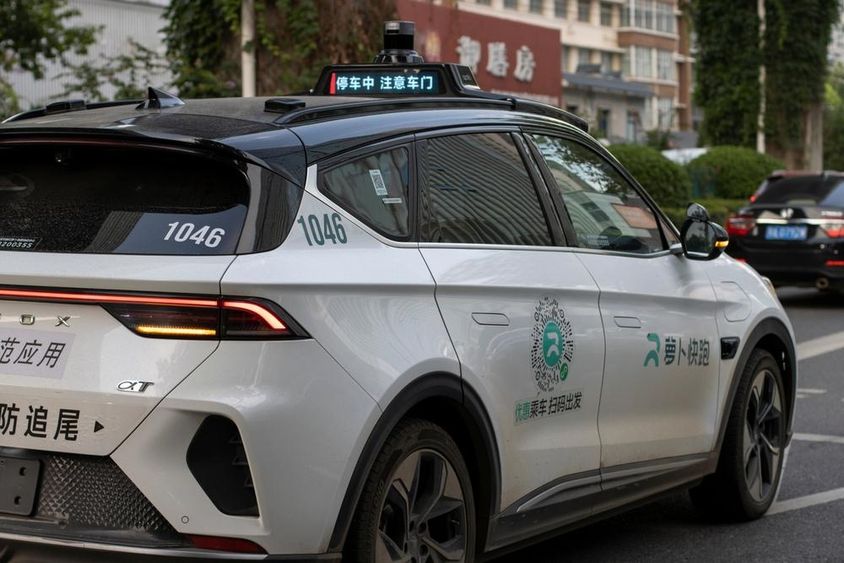
Revolution in Autonomous Taxis: 1,200 Robotaxis to Hit UAE and Saudi Arabia Roads by 2027
The era of self-driving vehicles is no longer a vision of the future but a rapidly forming reality, particularly in the Gulf countries. The United Arab Emirates and Saudi Arabia are making another leap towards the future of transportation: by 2027, it is expected that 1,200 robotaxis will be operating on the roads of Dubai, Abu Dhabi, and Riyadh. The announcement comes from the China-based autonomous vehicle technology company WeRide, which has already had more than 200 robotaxis in the region.
Pilot program within Dubai: Umm Suqeim and Jumeirah as a Test Area
Dubai's two bustling coastal districts, Umm Suqeim and Jumeirah, currently serve as the test environment for WeRide's autonomous taxi service. Although the vehicles are capable of independent travel, during the testing phase, a trained driver is present in the passenger compartment to oversee safe operation and intervene if necessary.
The autonomous taxis are accessible via the Uber app, allowing the service to seamlessly integrate into existing travel habits. The goal is to launch a fully driverless, commercially operating service by 2026, which will reliably operate even in city centers.
Dubai Self-Driving Transport Strategy Goals
Dubai has long been at the forefront of applying innovative transportation solutions. The introduction of autonomous vehicles is supported by the city's 2030 transportation strategy, which aims for 25% of all urban trips to be conducted autonomously. This includes not only passenger transport but also freight and public transport services.
According to the Roads and Transport Authority (RTA), the spread of autonomous vehicles not only increases travel efficiency but also significantly reduces the number of accidents, while making infrastructure more sustainable.
Technological Background and Collaboration with Uber
WeRide's technology is not unknown in the international market: it has already successfully introduced autonomous vehicles in several countries, including China and the United States. The strategic partnership with Uber, however, represents an especially powerful combination, as the platform can quickly and widely reach potential passengers.
According to the company's announcement, the robotaxi fleet will be expanded continuously as they obtain new permits from authorities and achieve designated operational milestones. The aim is to cover key transport routes in every city—from airports to downtown business districts.
Riyadh and Abu Dhabi Also in Plans
Although the current focus is on Dubai, developments are proceeding simultaneously in Abu Dhabi and Riyadh as well. Both cities are undertaking substantial investments in smart city initiatives, placing increasing emphasis on automated transport solutions. Riyadh's city leadership has outlined particularly ambitious plans for the future of urban mobility, aiming to increase the share of autonomous transport to 15% by 2030.
Challenges and Social Acceptance
Introducing robotaxis is not merely a technological issue. Building passenger trust is as crucial as the accuracy of sensors or machine learning algorithms. The safety driver present during the test phase plays an important role in this process, providing an opportunity for passengers to gradually become familiar with the new form of travel.
Transportation authorities work closely with the developers of autonomous systems to develop precise regulatory frameworks. This process extends to insurance issues, liability relations, and data protection, as autonomous vehicles constantly record and analyze environmental data.
What to Expect Between 2026-2027?
Over the next two years, autonomous vehicles may appear in several districts within Dubai. The most important aspect will continue to be a gradual, safe transition. The current pilot program provides valuable data on travel habits, passenger reactions, and the reliability of the technology.
Presence on the Uber platform will greatly contribute to the spread of the service, especially among tourists and digitally active residents. The robotaxi fleet expansion will occur in a scheduled manner, adjusted to demand, infrastructural capacities, and legislative environment.
Summary
The UAE and Saudi Arabia set an example for the region on how technological advances can be harnessed to improve urban quality of life. The introduction of robotaxis is not merely a transportation innovation but a cornerstone of future mobility strategies. Dubai once again proves its commitment to innovation and willingness to build the future today.
Source: [Közlekedési és Innovációs Hírek]
If you find any errors on this page, please let us know via email.


