USA Halts Visas for 75 Nations
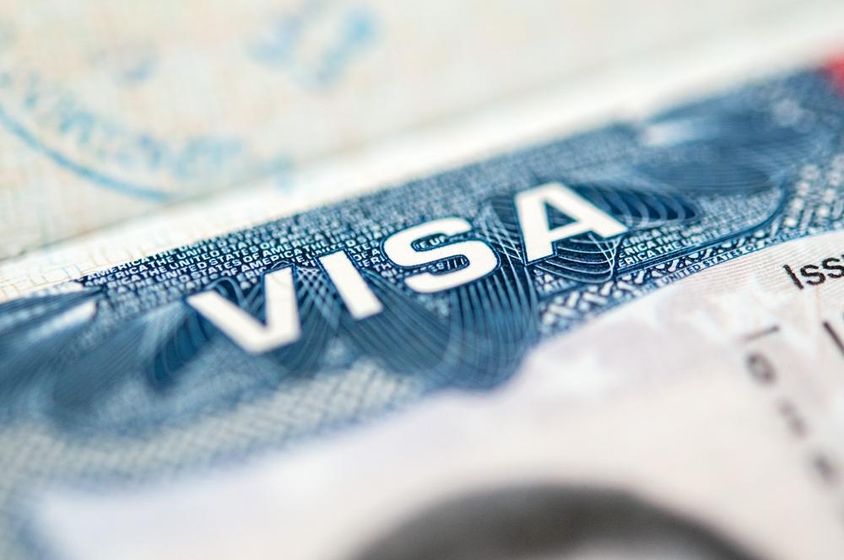
USA Visa Suspension for 75 Countries: What It Means in Practice
From January 2026, the United States has decided to take a drastic step by suspending visa application processing for citizens of 75 countries. The decision has not only stirred diplomatic storms but also created significant uncertainty in international travel and migration relations. The measure is not only based on security considerations but also signals a political and ideological shift.
According to the decision, from January 21, visa applications from the affected countries will be automatically denied, regardless of the intended purpose (tourism, business, study, or family reunification) for entering the United States. According to an internal directive from the State Department, US embassies and consulates must immediately deny visa issuance to citizens of the affected countries.
Which countries are affected by the suspension?
The full list has not yet been officially released, but leaked information suggests countries such as Somalia, Russia, Iran, Afghanistan, Brazil, Nigeria, and Thailand are affected. Visa applications from travelers from these countries will be automatically denied from the first day.
The impact of such a measure is naturally not confined to those wishing to travel. Business relations, tourism, education, and family ties are also severely affected. Many companies, universities, and international organizations have already expressed their concern regarding the measure.
What might be behind this?
There are several intentions suspected behind this step. According to the official explanation, the State Department is temporarily reviewing visa issuance procedures, with particular attention to security risks. However, they have not yet provided details on the specific events or threats that justified the suspension.
Political analysts, however, believe the measure is closely linked to the current administration's anti-immigration policy. In recent months, there have been increasing rhetorical references to the need for the US to end immigration from the "Third World." Some statements suggest the visa system has been too lenient towards countries from which "security threats" may arrive.
No timeline – how long will it remain in effect?
One of the biggest concerns is that the measure is indefinite. According to an internal State Department directive, it will remain in effect until new regulatory frameworks are established – but no specific deadline has been given for this. This creates significant uncertainty for both individual travelers and companies and educational institutions, who do not know when the opportunity to submit visa applications will reopen.
International reactions
The decision has naturally not gone unnoticed. Several countries have expressed their discontent through official diplomatic channels, while some civil organizations believe the step is discriminatory and contrary to international human rights norms. Some are considering legal actions, while others warn of reciprocal measures based on the principle of reciprocity.
The education sector, in particular, reacted sensitively to the news. Several American universities indicated that a significant portion of their international students come from the affected countries, and the decision renders study visa applications impossible, drastically reducing the international appeal of universities.
What happens to already submitted applications?
Applications that are still under consideration are also expected to be automatically denied. No official information has yet been released on this, but based on previous practice, retrospective application is not ruled out. This leaves many applicants in a hopeless situation, especially if they have already booked flights, accommodation, or other services.
The impact on the Middle Eastern and Asian regions
This measure particularly affects regions where the US has previously actively supported the establishment of democratic institutions or urged economic cooperation. Now, however, citizens of these regions are excluded in the first round from the US visa system, which, in the eyes of many, means the complete termination of cooperation.
In the United Arab Emirates, particularly in the city of Dubai, many are watching developments with concern, as the emirate plays a key role in international business and tourism traffic. For individuals with affected nationalities living or working here, this not only means inconvenience but could even represent an existential threat.
Summary
The USA's visa suspension for citizens of 75 countries is not just an administrative step but also a powerful political and social message. While the official justification cites security, a clear ideological shift is also suspected behind the decision. The consequences of the step will be felt in the long term – not only in migration policy but also in the global diplomatic system.
Affected countries, travelers, business players, and international organizations are now waiting - hoping the suspension will not become permanent. Until then, every trip, contract, and plan must be reconsidered, especially for those planning to travel to the United States in the near future.
(Source of the article: based on a statement from the US embassy.)
If you find any errors on this page, please let us know via email.


