UAE Reforms to End Drug Monopolies
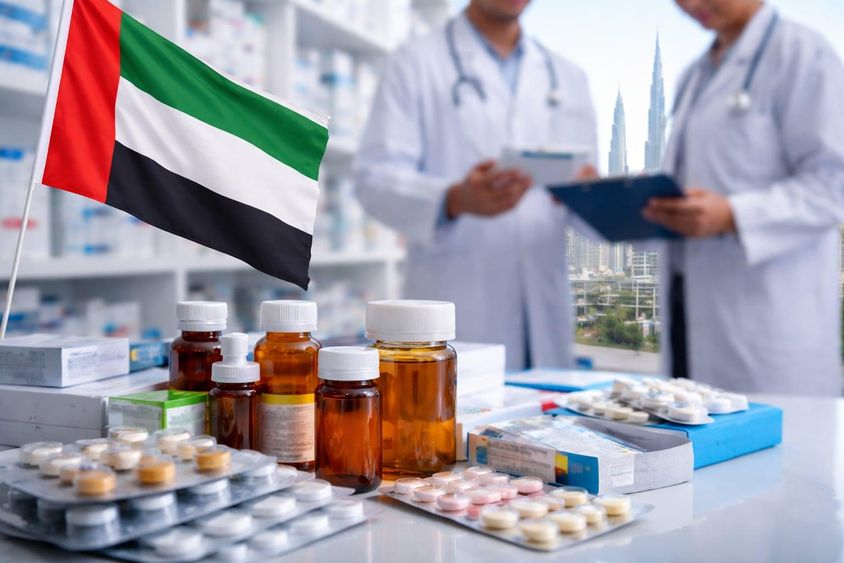
UAE Tackles Drug Monopolies with New Regulation
The UAE's healthcare sector is entering a new era. To ensure the security of drug supply, continuous accessibility, and to strengthen market competition, authorities have announced a new mechanism that will eliminate the exclusive distribution of certain medical products. The essence of the measure is that in the future, there won't be just a single official agent or distributor for a drug or healthcare product in the country, instead, multiple entities will be authorized to represent the same preparation.
This is the first of its kind step in the UAE healthcare system specifically targeting the strengthening of drug safety and the dismantling of monopolies. The decision is not just an administrative change but a structural transformation that could reshape the pharmaceutical market's operation throughout the country in the long term, including the dynamically developing healthcare infrastructure of Dubai.
The Risk of Monopolies in Healthcare
In the area of drug supply, the exclusive distribution system carries significant risks. If only one agent is responsible for the import, storage, and distribution of a specific product, any logistical, financial, or legal hitch can result in an immediate supply shortage. This can be particularly critical during emergencies, pandemics, or global supply chain disruptions.
Experiences from recent years have shown internationally that centralized, single-channel systems are vulnerable. Relying on a single supplier or representative constitutes a strategic risk, especially in a country that heavily depends on imported medicines and medical devices. The UAE has clearly chosen the path of managing risks through diversification.
Multiple Agents, More Stable Supply
Under the new regulation, pharmaceutical companies are required to appoint multiple official agents to represent the same product. Practically, this means that a given preparation will reach hospitals, pharmacies, and healthcare institutions not only through a single distributor but through parallel channels as well.
This model strengthens the system on several levels. Firstly, it reduces the likelihood that an administrative or logistical issue leads to a total stockout. Secondly, it creates competition among agents, which can lead to more efficient operations, faster deliveries, and potentially more favorable pricing structures.
The multi-channel system could be particularly important for Dubai, where the number of private and public healthcare institutions is continually growing, and supply demands are dynamically expanding due to a rising population and health tourism.
Resilience and Drug Safety
One of the primary goals of this measure is to strengthen drug safety. In crisis situations - whether this involves a global pandemic, geopolitical tension, or supply chain disruptions - the primary question is whether there is continuous availability of essential drugs and medical devices.
The multi-agent model reduces the risk of supply disruptions because if one channel faces obstacles, another can assume the role. This redundancy provides a strategic advantage and results in a more stable, predictable system in the long run.
The decision also indicates that the UAE not only responds to global trends but proactively shapes its own healthcare ecosystem. The aim is not only to address current issues but to build a future-proof, flexible structure.
Competition and Investment Environment
The new mechanism not only ensures supply security but also strengthens the investment environment. The elimination of monopolies creates a more transparent and competitive market, making the country more attractive to international pharmaceutical manufacturers and healthcare investors.
The presence of multiple agents encourages innovation, improves service standards, and reinforces business dynamism. Simultaneously, the UAE can further build on its global healthcare industry position, which is already significant in the region.
Dubai, in particular, strives to become a regional health and biotechnology hub. Such regulatory reforms support this strategy by providing a stable, competitive, and predictable operating environment.
Patient Perspective
Ultimately, patients could be the main beneficiaries of this measure. Continuous supply, greater availability, and possible price competition all contribute to making medications more accessible.
Furthermore, the system's transformation can reduce the chances of artificial shortage situations, which could have previously occurred under exclusive distribution structures. The presence of multiple agents can lead to a more transparent market, where stock movements and availability are more traceable.
Trust is crucial in healthcare. When the population can be assured that the necessary preparations are available, it not only strengthens the stability of the healthcare system but also enhances societal security.
A Strategic Step Toward the Future
The UAE's decision sends a clear message: healthcare cannot be at the mercy of single-channel systems. Diversification, competition, and strategic flexibility are principles that make supply more sustainable in the long run.
This reform is not just a technical change but a shift in perspective. The focus is on resilience, competitiveness, and global integration. The country is reinforcing its position on the international healthcare industry map, while ensuring that population supply remains stable and predictable.
The introduction of the multi-agent model is expected to take place gradually, allowing market participants to adjust. However, the direction is clear: the UAE seeks to operate a healthcare system that is safe, competitive, and resilient to crises.
The implementation of the multi-agent model could be a milestone in the country's healthcare history. A step that not only addresses present challenges but also prepares the system for future uncertainties.
Source: Portfolio.hu
If you find any errors on this page, please let us know via email.


