UAE Faces Unusual Weather Changes
Rain, Cooling, and Wind: UAE's Weather Shift
The weather in the United Arab Emirates is often known for its stable, sunny, and dry climate, but from time to time, periods occur that completely disrupt this familiar picture. Such a transitional, variable period is arriving now, bringing not only rain but significant temperature drops and enhanced wind movement. According to forecasts, unstable weather conditions are expected to develop in several parts of the country, which could influence daily life until April 10.
Rare, but Not Unprecedented Rainfall
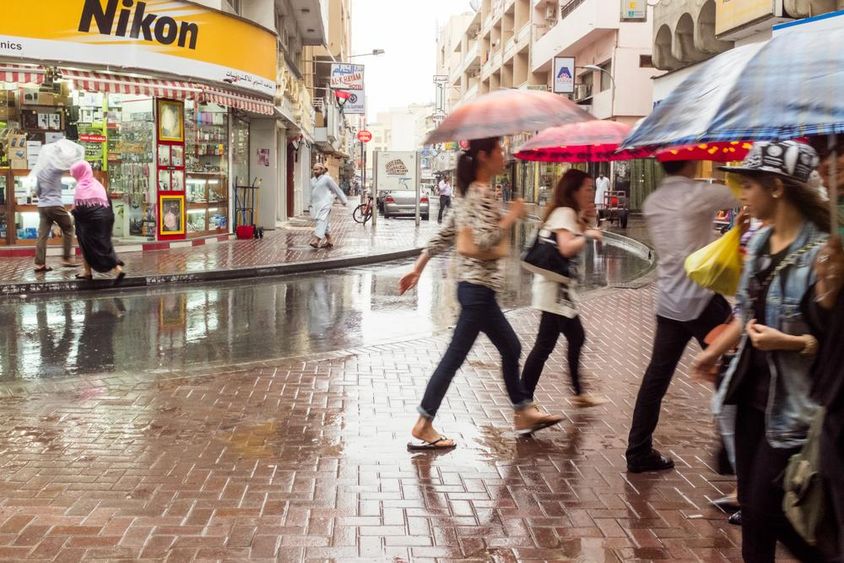
Rain in the UAE is always considered a special event, even though it has become increasingly frequent in recent years. The current forecast mainly predicts light rainfall, primarily affecting islands, as well as coastal and northern areas. Although these rains are not expected to be heavy, they could still significantly impact transportation and the urban pace of life.
In Dubai, the situation is particularly interesting, as the city's infrastructure is fundamentally not optimized for rainy weather. Even a short, mild rainfall could be enough to slow down traffic and alter daily routines. At the same time, such periods provide residents a kind of relief, as the dusty, dry air is temporarily replaced by a fresher, cleaner atmosphere.
Temperature Drop: Rare Comfort
One of the most significant changes is expected in the temperature. In Abu Dhabi and Dubai, minimum values could drop to 21 °C, which is considered particularly pleasant for this time of year. Daytime maximums will be around 28 °C, which is also moderate compared to the region's typical extreme heat.
This temperature range can be ideal for outdoor activities, especially for those who want to enjoy the milder weather before the hot summer months. Dubai shows a completely different side at this time: parks, walkways, and open spaces come alive again, and outdoor hospitality venues become more popular.
Wind and Marine Effects
The weather situation is influenced not only by changes in rain and temperature but also by the wind. Forecasts indicate that the wind will initially blow lightly or moderately from the southeast, then turn to the northwest, particularly strengthening at night over the sea.
Wind speeds generally range from 15-25 km/h, but at times can reach up to 40 km/h. This could pose challenges particularly for maritime transportation and coastal areas. The stirring of dust and fine sand can reduce visibility, which is an important factor not only for road but also for air transportation.
Unstable Weather: What Does It Mean Practically?
The term unstable weather can be difficult for many to interpret, but in practice, it means rapidly changing conditions. Within a single day, sunshine, cloudiness, rain, and wind can all occur, sometimes within consecutive hours. This unpredictability is especially important for those planning outdoor activities or embarking on longer journeys.
For cities like Dubai and other UAE cities, such periods also highlight how adaptable modern urban systems are. Recent developments have significantly improved drainage and urban infrastructure, but the weather is still capable of surprises.
Public Reactions and Adaptation
The public also responds increasingly consciously to such weather situations. Based on experience, many people prepare in advance: they monitor forecasts, flexibly adjust their daily schedules, and modify their transportation habits as needed.
For many, precipitation does not represent inconvenience but rather opportunity. The cooler weather, fresh air, and sense of natural cleansing have a positive effect on mood as well. It is no coincidence that rainy days are often experienced as a sort of "pause" following the usual intense heat.
The Long-Term Significance of Weather
Although the current period is transitional, it still holds important messages for the future. In the UAE, a gradual change in weather patterns is observable, which can partly be linked to global climate change. The increasingly frequent rainfalls and unstable periods indicate that the region's weather is not as predictable as before.
This change could have long-term impacts on urban planning, infrastructure development, and the organization of daily life. Dubai is a particularly interesting example of this, as the city constantly adapts to new challenges while maintaining the image of rapid growth and innovation.
Summary: A Short, but Significant Period
The weather in the coming days illustrates well that the UAE's climate is more complex than one might initially think. The combination of rain, cooling, and wind creates a dynamic situation that temporarily transforms the usual environment.
During this period, Dubai appears not only as a modern metropolis but also as an adaptable, living system. Such days remind us that even the most developed cities are part of nature, and sometimes they too must adapt to changes in the weather.
If you find any errors on this page, please let us know via email.