Musaffah Introduces Paid Parking System
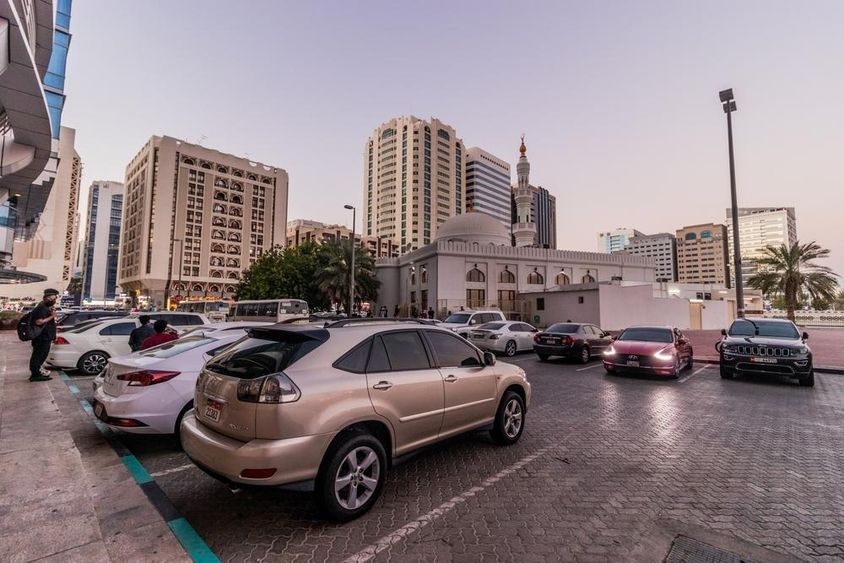
Abu Dhabi: Paid Parking Starts in Musaffah Industrial Zone from January 12
A new era in the parking system will begin in Musaffah, Abu Dhabi's bustling industrial and commercial hub, from January 12, 2026. Authorities, in coordination with Q Mobility, are introducing paid parking in sectors M1, M2, M3, M4, and M24, affecting a total of 4,680 parking spaces, including designated spots for People of Determination.
Why is parking becoming paid in the Musaffah area?
Musaffah is not only known as an industrial center but also as a district where daily economic activities are highly intensive. Thousands of workers and visitors flow in daily, placing enormous pressure on the transportation infrastructure and available parking spaces. Unregulated parking, random stops, and overcrowded roads have long been an issue for transportation efficiency.
The introduction of paid parking primarily aims to improve traffic regulation, optimize parking space usage, and reduce traffic congestion. The goal is for arrivals to find free parking spaces faster, while accessibility of the area improves for both business activities and work purposes.
How does the new system work?
As part of the new system, the parking fee will be 2 dirhams per hour, following the standard rate applied in other similar zones across the country. Payments can be made via various digital channels, including the Darb and Tamm apps, SMS, as well as payment machines installed on-site. This versatile access allows customers to easily, quickly, and conveniently access the service from any device.
The system implementation is part of a comprehensive transport management strategy aligned with Abu Dhabi's smart city development plans. The aim is not only to shape parking habits but also to support traffic management and commercial infrastructure.
Past experiences from other areas in Abu Dhabi
Before Musaffah, several districts introduced paid parking, which provided insights into the system's effectiveness.
For instance, in November 2025, the paid parking was launched in the Al Shahamah district, covering a total of 3,704 spaces in the new and old Al Shahamah areas. There, too, the hourly rate of 2 dirhams was implemented, with payment options being similarly digital-based. Feedback indicated that the measures positively impacted parking availability and reduced illegal parking incidents.
In December 2025, a new parking regulation took effect in the commercial zones of Mohamed Bin Zayed City. The program introduced by Q Mobility aimed to better organize vehicle movement and reduce excessive load.
Additionally, in July 2025, several new parking zones were established in key areas like Eastern Mangroves, Dolphin Park, sectors along Al Khaleej Al Arabi Street, and Al Qurm Plaza. These measures are part of a city-wide system intended to serve the sustainable and livable future of Abu Dhabi.
Expected impacts and public reactions
The introduction of paid parking systems naturally evokes mixed feelings among residents. While many believe the new system helps create order and ease daily errands or commutes, others criticize the additional costs. However, digital payment options and ease of use undoubtedly improve the user experience, and over time, more people are adapting to the changed situation.
Local authorities regularly conduct evaluations and assessments, allowing them to fine-tune parking regulations, responding to resident needs and specific area challenges. This means the system is not static but evolving and flexible, adapting to urban growth and mobility habits.
Summary
The introduction of a paid parking system in the Musaffah district is not just another regulation but part of a conscious development of urban transportation and parking culture in Abu Dhabi. The hourly rate of 2 dirhams, digital payment options, and regulations extending to more zones indicate that city leadership is thinking in the long term. The goal is to create a transportation ecosystem where efficiency, safety, and sustainability can coexist.
This step is a clear indication that Abu Dhabi aims to become a city of the future, where infrastructure not only follows but actively shapes economic and social development. Thus, the Musaffah paid parking is not an isolated measure but part of a larger, thoughtful system that responds to the challenges of modern urban life.
(Source of the article is based on Q Mobility press release.)
If you find any errors on this page, please let us know via email.


