Hidden Perils of Post-Rain Indoor Air
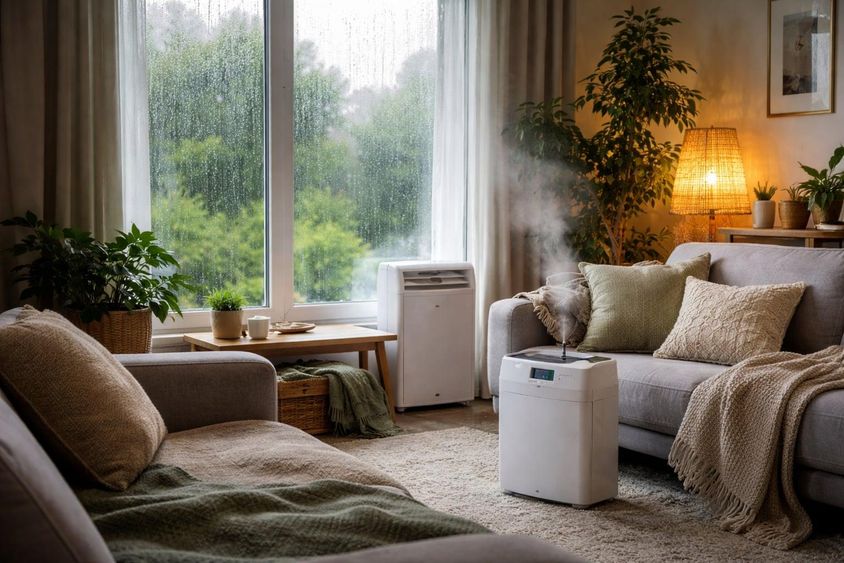
Hidden Danger After Rain: When Home Air Becomes a Risk
In recent times in the UAE, especially in the Dubai area, sudden rain showers, thunderstorms, and strong winds have become more frequent. While these phenomena initially bring a refreshing change to the desert climate, they also bring along a less obvious, yet serious problem: moisture trapped inside homes. This phenomenon is not only unpleasant but can also pose a long-term health risk, especially if we do not pay adequate attention to indoor air quality.
The essence of the problem is simple yet insidious: the high humidity following rain creates an ideal environment for allergens. Moisture trapped in enclosed spaces promotes the growth of mold, dust mites, and other irritants that gradually deteriorate air quality.
The Role of Humidity: An Invisible Enemy Within the Walls
The humidity level in a home plays a key role in the quality of air we breathe daily. Ideally, this value fluctuates between 40–50 percent. However, when humidity levels rise above 60 percent after rain, the environment becomes almost perfect breeding ground for microorganisms.
Although the modern buildings in Dubai are equipped with advanced air conditioning systems, their use is not always conscious. Many, for instance, turn off the air conditioning during rainy weather because they feel the air is cooler, unwittingly contributing to moisture accumulation. The air conditioner not only cools but also removes moisture from the air, thus maintaining a healthy indoor environment is crucial.
How is the "Trap" of Allergens Formed?
In damp, enclosed spaces, the activity of allergens significantly increases. Mold spores can appear on walls, in carpets, or even behind furniture, often without being immediately noticeable. Dust mites also favor humid environments, primarily settling in bedding and mattresses.
The severity of the problem is heightened by the fact that these allergens circulate in the air and cause irritation when inhaled. Pet hair and dander can further increase the burden, especially if they remain in a damp indoor environment.
The First Warning Signs Not to Be Ignored
The deterioration of indoor air quality often does not become obvious overnight. Symptoms appear gradually and can easily be mistaken for a mild cold or seasonal allergy.
One of the most common signs is frequent sneezing, runny nose, or mild throat itching. This may be followed by eye irritation and night-time coughing, which is often particularly disturbing. Another telltale sign is the appearance of a musty smell in certain areas of the home, almost always indicating the presence of mold.
If these symptoms primarily occur at home and ease outside, it is almost certainly related to the quality of indoor air.
Particularly At-Risk Groups
Not everyone reacts the same way to allergens present in a humid environment. Children and the elderly's bodies are more sensitive to air quality deterioration. Additionally, those with pre-existing respiratory issues are at increased risk.
For individuals struggling with asthma, chronic respiratory diseases, or skin problems, symptoms can appear more quickly and intensely. Even mild irritation can easily worsen if the triggering factor – moisture and allergens in this case – persists.
What Can Be Done for Prevention?
The good news is that most of the problem can be prevented with conscious attention. One of the most important steps is controlling humidity levels. Regular use of air conditioning helps remove excess moisture from the air, even if the weather seems more pleasant.
The question of ventilation is particularly interesting during this period. While many instinctively open windows after rain, it is actually advisable to keep them closed for at least a day or two. Outdoor air can still have a high humidity level during this time, worsening the situation.
It is also important not to dry clothes indoors, as this significantly increases humidity. Likewise, any leaks or water ingress should be repaired immediately, as they can lead to serious mold growth in the long run.
Everyday Habits That Matter
Prevention is not just a technical issue but a series of lifestyle choices as well. One of the simplest yet effective steps is not bringing outdoor dirt into the home. Removing shoes at the door, changing outdoor clothes, and keeping pets clean all contribute to maintaining air quality.
Regular washing of bedding at high temperatures is also crucial as it reduces the number of dust mites. Using air purifiers, especially those equipped with HEPA filters, can further improve indoor air quality.
When Medical Assistance is Needed
Symptoms may still appear despite all precautions. In such cases, it is particularly important not to trivialize the situation. Persistent coughing, wheezing, or shortness of breath may indicate a more serious problem that requires rapid intervention.
The healthcare system in Dubai and the UAE is well-prepared to handle such issues, but the key is always early detection. The sooner an examination takes place, the lesser the chance of symptoms escalating to a severe condition.
Summary: Conscious Home, Healthier Life
Moisture after rain is much more than a temporary inconvenience. It is a factor that fundamentally affects the air in our home and our health. Dubai's modern lifestyle and enclosed, air-conditioned spaces are particularly sensitive to this phenomenon, so awareness is key.
Maintaining the right humidity levels, developing correct habits, and recognizing early warning signs all help prevent more serious problems. A well-maintained home is not only more comfortable but also safer – especially when nature unexpectedly intervenes in daily life.
If you find any errors on this page, please let us know via email.


