Gold Shopping: UAE vs. India
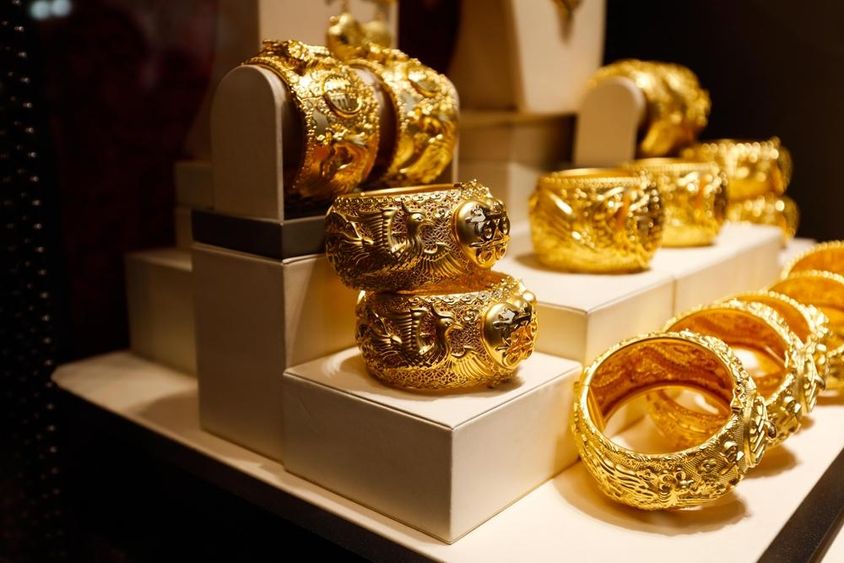
Cheaper Gold Jewelry: UAE or India?
The demand for gold has been unwavering for decades, especially among Indian buyers, for whom gold is not only an investment but also a cultural and familial value. The UAE, particularly Dubai, has long been a hub of international gold trade, attracting millions of tourists annually, including a significant number of Indian visitors. For them, shopping, particularly purchasing gold jewelry, is a key objective. However, the question often arises: is buying gold jewelry really cheaper in the Emirates than in India?
The answer is not black and white, as the final consumer price of jewelry is influenced by many factors. The daily gold price is just one component. Manufacturing charges, design complexity, brand positioning, craftsmanship quality, and applicable taxes all play a role in determining how much a buyer ultimately pays for a piece.
Why is Dubai called the 'City of Gold'?
Dubai has been carrying the title 'City of Gold' for decades and not without reason. The city features jewelers from the Middle East, Asia, and Europe, resulting in an extremely diverse offering. From traditional 22-carat Indian-style jewelry to modern, minimalist Western pieces, everything can be found.
One of the most important factors is the close alignment with international gold prices. Dubai's gold prices generally link directly to the international spot price, which is updated several times a day. This makes the base price more transparent and reduces uncertainty related to pricing. Buyers can clearly see the current price per gram, to which manufacturing costs and a 5% VAT are added.
Tax Differences: A Key Factor
One of the most significant disparities between the UAE and India lies in their tax structures. In the Emirates, gold jewelry sales are subject to a 5% VAT, while there is no import duty that would incorporate into the base price.
In contrast, India imposes an import duty on gold, which directly raises the base price, to which the 3% GST is added. Although the GST alone may seem lower than the 5% VAT in the Emirates, the import duty often results in a higher starting gold price. This structural difference frequently tips the balance in favor of Dubai.
Manufacturing Charges and Market Competition
However, the final price is not solely dependent on the gold's price per gram and taxes. Manufacturing charges – the cost of producing the jewelry – can show significant variations. In India, these can vary greatly by region and the complexity of the design. For a traditional, handcrafted piece, manufacturing charges can be significant.
In Dubai, due to extremely high competition, manufacturing charges are often more transparent and somewhat negotiable. Buyers often find that market dynamics push margins downward, especially for simpler, classic models. This is particularly true for high-purity, 22 or 24-carat gold products.
A Concrete Example: The Price of a 5-Gram Bracelet
If we examine a simple 22-carat, 5-gram bracelet, in Dubai – with a per gram price of between 245–255 dirhams – the final consumer price typically ranges from about 1,300–1,450 dirhams, including the 5% VAT and moderate manufacturing charges.
In India, the same product – based on current local exchange rates and embedded duties – could cost a similar amount when calculated in dirhams. Thus, the difference is not always dramatic, especially after trade agreements and tariff rule changes in recent years. Nevertheless, many jewelers still see Dubai's base price structure as providing a slight competitive edge.
Regulatory Changes and NRI Buyers
India's recent budget decisions have amended the customs rules for gold jewelry for Non-Resident Indians (NRIs). The introduction of weight-based exemptions makes it easier to bring jewelry back home, potentially reducing administrative burdens for the Indian community working in the UAE.
This change could balance the purchase decision, as simpler imports can make the price difference from buying in Dubai a real advantage. However, exchange rate fluctuations and movements in global gold prices remain significant influencing factors.
Price, Trust, and Transparency
Price alone is not everything. For many buyers, transparent pricing, quality control aligned with international standards, and a stable regulatory environment are as important as saving a few dirhams.
Dubai's gold market is heavily regulated, with traders required to meet stringent standards. Daily prices are public, and purity is clearly marked. This boosts buyer confidence, particularly for those making larger purchases.
Conclusion: Where Is It Worth Buying More?
The answer to this question is nuanced. If we look solely at the tax structure and base price, Dubai is often more competitive, even slightly advantageous. However, the final price depends on the design, manufacturing charges, current exchange rates, and the buyer's individual circumstances.
What is certain is that the UAE – particularly Dubai – remains a global gold trading hub, where transparent pricing, lower indirect burdens, and fierce competition together provide a favorable buying environment. Meanwhile, India has a vast domestic market and strong cultural traditions, resulting in its own pricing dynamics.
The ultimate decision is not merely a matter of calculation. What truly matters to the buyer is where they feel their money is safer, and where they receive value – both aesthetically and investment-wise – that holds up in the long term.
If you find any errors on this page, please let us know via email.


