Dubai's Traffic Revolution: Save and Simplify
New Traffic Habits in Dubai: Small Changes, Significant Savings
The Quiet Transformation of Everyday Routines
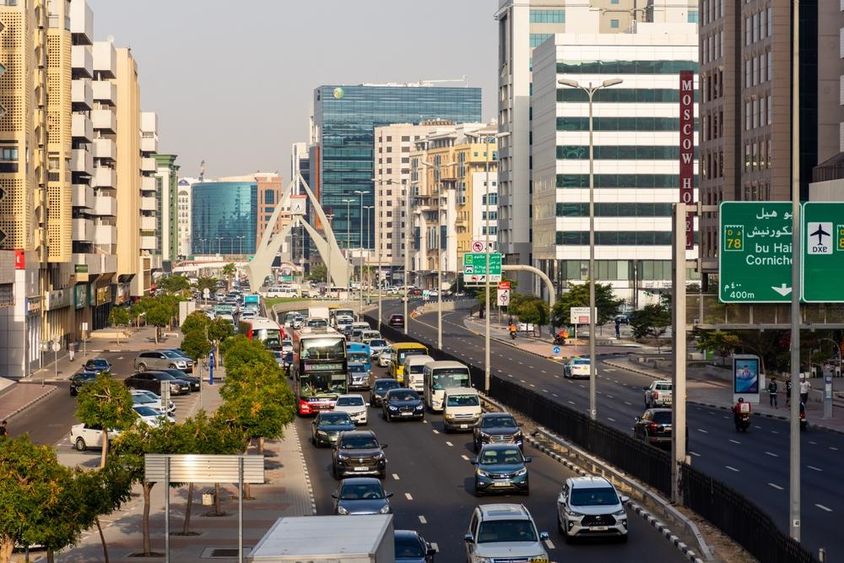
One of the main pillars of urban life in Dubai has always been car usage. The wide roads, modern infrastructure, and relatively low fuel prices have long suggested that individual transport is the simplest and most convenient solution. However, in recent times, an interesting, almost unnoticed change has begun: more and more residents are starting to think more consciously about their daily commute.
This doesn't mean that they are selling their cars en masse or completely giving up the convenience of driving. Instead, a subtle transition is noticeable. People are beginning to reconsider when it's truly necessary to use a car and when it's worth choosing alternative solutions. This change in mindset has been particularly reinforced by rising fuel prices.
Shared Travel: A Logical Step to Reduce Costs
It is becoming increasingly common for workers living in the same area to band together and organize their travel jointly. This is not only more cost-effective but also more practical in many cases. If four people set off in one car heading to different workplaces, it may seem complicated at first, but with proper planning, it works surprisingly well.
A typical example of such a shared route covers about 100 kilometers daily. With a fuel-efficient car, this results in a daily cost of approximately 20–25 dirhams. When divided among four people, it comes down to about 5 dirhams per person per day for transportation.
This amount might not seem significant at first glance, but when compared to each person driving separately, the difference becomes striking. In individual usage, the same daily cost can easily fall between 17–30 dirhams per person, depending on the distance traveled and the car's fuel consumption.
Thus, carpooling not only offers financial advantages but also reduces traffic and parking problems.
The Metro as a Conscious Choice
Dubai's public transport, especially the metro, has become a highly reliable and efficient alternative in recent years. Many residents who previously used it only occasionally now have integrated it regularly into their daily lives.
An average daily commute by car can easily amount to 50–60 kilometers, which translates to noticeable costs with rising fuel prices. In contrast, traveling by metro comes with a fixed, predictable fee, often lower than the costs of car travel.
However, it's not just about money. Many highlight that using the metro allows them to avoid traffic jams, searching for parking places, and the accompanying stress. This is an advantage that is hard to quantify, yet significantly contributes to the everyday sense of comfort.
Hybrid Solutions: The Most Realistic Strategy
Not everyone can completely switch to public transport or exclusively use carpooling. The most common solution is developing a hybrid system where the car and metro complement each other.
For instance, many people use their cars two or three times a week, mainly when meeting clients or visiting multiple locations. On other days, they choose the metro, which offers a fast and predictable alternative.
This approach allows residents to optimize costs without giving up the flexibility cars provide. In such a system, driving several hundred kilometers can be saved weekly, resulting in significant financial differences in the long term.
More Conscious Decisions in Everyday Life
One of the most intriguing aspects of this change is that it is not drastic but gradual. People do not switch from one day to the next but transform their habits through small decisions.
A single decision, such as not driving to work on a given day or sharing the ride with others, might not seem significant on its own. However, these small steps accumulate, having a major impact on costs and quality of life over time.
Transportation thus becomes a necessity and an area that is consciously managed.
The Mindset Behind the Costs
Behind this change lies a deeper shift in perspective. Residents are increasingly mindful of how much they drive, the distances they cover, and whether a given trip is really justified.
This kind of thinking does not only apply to transportation but appears more broadly in everyday life. People are increasingly seeking solutions that allow them to optimize their expenses without significantly reducing their standard of living.
In this, transportation is one of the most easily adaptable areas.
Long-Term Effects in Dubai
While these changes may seem small at first, they could have a serious impact on the operation of the city of Dubai in the long run. If more people choose shared travel or public transport, traffic congestion may decrease, air quality may improve, and the transport system may become more efficient.
Moreover, the utilization of infrastructure may become more balanced. Thus, the development of the metro and public transport network becomes even more justified, as more residents incorporate these solutions into their daily lives.
Summary: Small Steps, Big Changes
Residents of Dubai do not respond to changing circumstances with radical decisions but with smart, practical solutions. Carpooling, using the metro, and hybrid transport models all indicate that everyday transportation is becoming increasingly conscious.
A daily saving of a few dirhams might not seem significant in itself, but it could mean a substantial amount on a monthly basis. More importantly, however, is the shift in mindset that could lead to a more sustainable and efficient urban life in the long term.
This quiet transformation clearly shows that Dubai is continuously evolving, not just in its infrastructure but also in the thinking of its residents, sketching out a new, more conscious direction.
If you find any errors on this page, please let us know via email.