Dubai's Aviation Bounces Back Swiftly
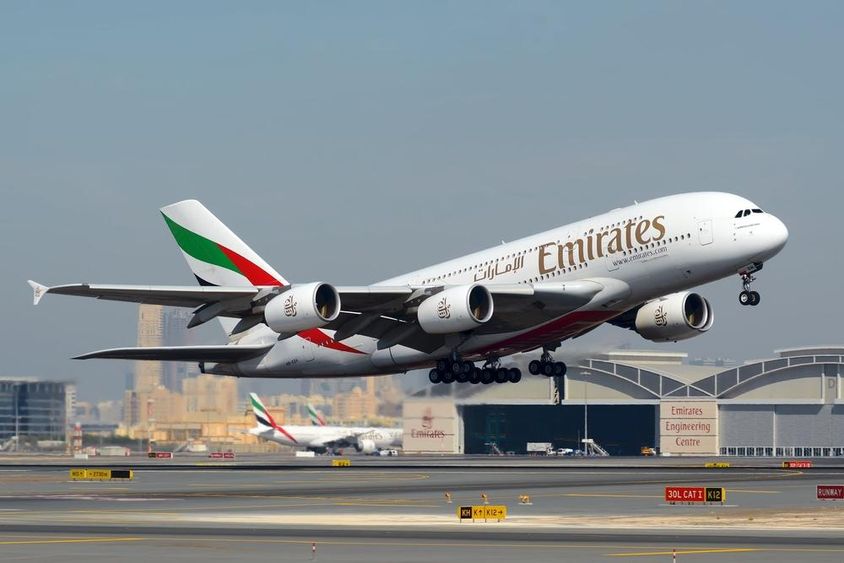
Quick Rebound: Dubai's Aviation Gaining Momentum Again
Recent geopolitical tensions have significantly impacted the global aviation industry, especially in the Middle East region. Following the conflict that intensified at the end of February, many airlines were forced to reduce their flights, reschedule routes, or temporarily suspend certain destinations entirely. The uncertainty was also felt in passenger traffic, as many postponed their travels, particularly concerning business and tourism trips to the region.
Despite these challenges, Dubai's aviation sector is once again proving its adaptability. Known as one of the world's busiest international hubs, the city’s infrastructure, organization, and strategic planning allow it to quickly recover even from such situations.
Short-term Decline, Long-term Stability
After the outbreak of the conflict, airlines took immediate steps. Reduced capacity, modified routes, and increased operational costs became part of daily operations. One of the largest players in the region is currently operating at about two-thirds capacity, a significant drop for a company that usually aims for maximum utilization under normal circumstances.
However, this regression is not due to structural problems. It is not a lack of demand or economic weakness but rather an external, temporary effect. This is a key difference. Throughout the history of the aviation industry, we have seen many times that geopolitical shocks cause quick but short-lived declines followed by relatively rapid recovery.
Short Memories of Travelers
One of the most interesting phenomena in the travel market is that passengers quickly resume their previous habits. As soon as the security situation stabilizes, people book again, travel again, and in many cases, they make up for missed experiences even more intensely.
Dubai is in a particularly strong position in this regard. The city is not just a transit hub but also a standalone destination that is attractive from business, tourism, and residential perspectives. The brand Dubai represents—the combination of modernity, safety, luxury, and efficiency—is stronger than the impact of a temporary crisis.
Strong Brand, Quick Recovery
For airlines, brand value is a crucial factor. A provider that has built trust, quality, and stability over many years can regain its passengers’ trust much quicker.
Dubai's flagship airline is strong in precisely this aspect. The level of service, the global network, and the premium experience jointly create a foundation that can be built upon even after a crisis. When restrictions are lifted and flights return, passengers are not trying out a new system—they are returning to a well-known, reliable environment.
Fuel Prices and Cost Challenges
One direct economic effect of the conflict was the rise in fuel prices. Aircraft fuel prices closely follow crude oil prices, which rose significantly due to uncertainty. This poses a serious challenge for all airlines, as fuel is one of the largest cost items.
Nevertheless, the leading players in the region have responded preparedly. Stable supply chains, long-term contracts, and financial reserves allow them to handle the temporary cost increase. This means that while profitability may decrease in the short term, operations remain sustainable.
Global Impacts, Regional Advantages
The conflict affected not only the Middle East. Many international airlines reduced their flights to the region, which temporarily slowed traffic. However, this also had an interesting side effect: the relative position of local players strengthened.
Dubai is able to exploit its strategic location even in this situation. The city remains a key junction between Europe, Asia, and Africa. As international flights resume, traffic can quickly return—and growth is even expected in some segments.
Flexibility as a Competitive Advantage
One of the most important features of modern aviation is flexibility. Those players who can quickly adapt to changing circumstances gain a competitive advantage in the long run. Dubai is one of the best examples of this.
The infrastructure is scalable, decision-making is swift, and the business environment supports innovation. This allows the city and its aviation sector players not only to respond to crises but also to proactively shape the future.
What to Expect in the Coming Weeks?
Current forecasts suggest that recovery may not take months but weeks once the conflict ends. This is an extremely fast pace for a sector of this scale, but Dubai has repeatedly proven it can achieve this.
The demand is there. The intention to travel has not disappeared; it has just become temporarily restrained. Once the uncertainty subsides, people will travel again—for business trips, vacations, conferences.
Summary: Stronger Position After Crisis
The current situation clearly shows how sensitive aviation is to global events, but also how quickly it can recover. Dubai plays an outstanding role in this process, not just surviving challenges but often emerging stronger from them.
Stable foundations, a strong brand, a global network, and the ability to quickly adapt all contribute to Dubai's aviation sector returning to a growth trajectory in a short time. And if we learn from past experiences, it not only returns but steps up to a new level.
If you find any errors on this page, please let us know via email.


