Dubai Transforms Transport with High-Tech Solutions
Rail-Free Trams and New Bus Lanes: Dubai's New Transit Strategy
Rapid Growth, Urgent Responses
Dubai's transit system is on the brink of another significant transformation. The city's transport authority announced the creation of six new transit corridors over the next two years, spanning a total of 13 kilometers, exclusively reserved for buses and taxis. This will extend the total length of dedicated lanes to 20 kilometers. The initiative isn't random but a strategic response to a specific challenge: Dubai's vehicle fleet grew by ten percent in two years, while the global average is just 2–4 percent.
This pace of growth puts considerable pressure on the road network. City officials recognized that congestion can't be solved merely by building more roads. The focus has shifted to enhancing public transportation efficiency and introducing intelligent traffic management solutions.
Six New Corridors, Measurable Results
The developments planned for 2025 to 2026 will impact six major road sections, including Sheikh Sabah Al Ahmad Al Jaber Al Sabah Street, 2nd of December Street, the Al Satwa area, Al Nahda, Omar bin Al Khattab Street, and Naif Street. In these areas, clearly visible, distinctively colored lanes will be established, dedicated solely to buses and taxis.
Authorities estimate that the new lanes may result in a ten percent increase in public transport passenger numbers. Bus punctuality could improve by 42 percent, while travel times could decrease by as much as 41 percent on certain sections. These figures aren't just optimistic estimates but are based on experiences from already operating dedicated lanes.
A significant detail is that unauthorized use of the lanes will incur hefty fines. This sends a clear message to drivers: public transportation is a priority.
Rail-Free Trams: A Technological Leap
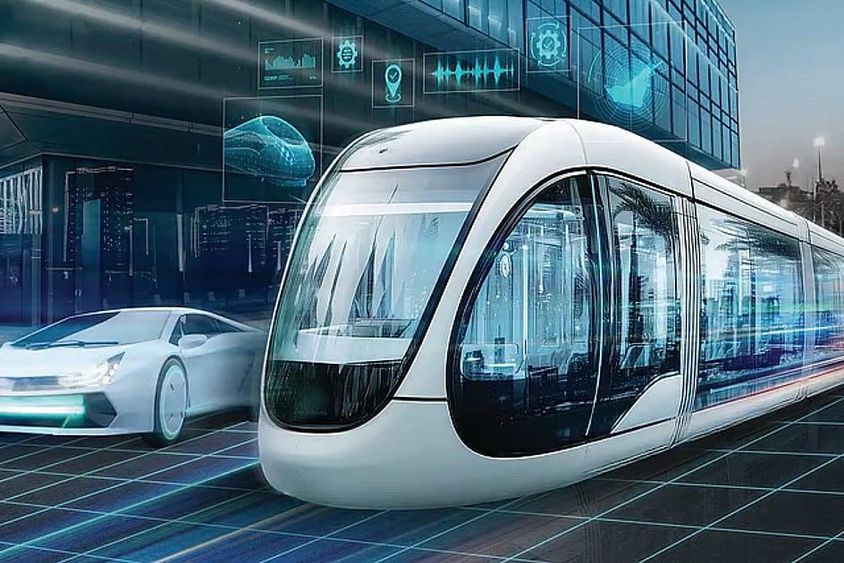
Perhaps even more exciting is the announcement about studying a rail-free tram system at eight different locations. This system fundamentally differs from traditional trams, as it does not require fixed tracks. It operates using electric propulsion with fully autonomous technology and follows a virtual track that cameras detect based on markings painted on the road surface.
This solution has multiple advantages. Firstly, it comes with significantly lower investment costs than building classic tram networks. Secondly, it allows for shorter implementation times since no tracks need to be laid and no major road excavation is required. The system is more flexible, easily adaptable to the urban environment, and can be quickly modified in case of need.
Planned convoys will consist of three carriages, capable of transporting up to 300 passengers, more than three times the capacity of a traditional bus. The maximum speed can reach 70 km/h, while the operating speed will typically range between 25 and 60 km/h. This combination makes the system ideal for densely populated, busy urban corridors.
Traffic Calming with a Complex Toolkit
Bus lanes and rail-free trams are just parts of the broader strategy Dubai has developed to alleviate congestion. The city has already introduced dynamic toll and parking fees, imposed restrictions on heavy vehicles, and encouraged flexible working and telecommuting models.
Based on past case studies, flexible working can reduce peak-hour traffic by up to 30 percent. This means that transportation infrastructure development can achieve real results only when combined with social and economic measures.
The goal is not just to travel faster but also to make the city more livable. Less congestion means lower emissions, reduced noise pollution, and more predictable daily life.
Record-Breaking Passengers, Strengthening Community System
In 2025, public transit, shared mobility services, and taxis collectively transported 802 million passengers in a single year. The daily average number of passengers reached 2.2 million. These numbers indicate that both Dubai's residents and visitors are increasingly opting for community solutions.
The city's transit system is continually integrating: metro, tram, bus networks, water transport, and shared mobility tools are merging into a single, coordinated structure. Additionally, artificial intelligence is playing an increasing role in data management and passenger experience planning. The aim is an intelligent, sustainable, and unified system that not only follows but shapes the future of urban mobility.
Strategic Direction in Global Competition
For long, Dubai has strived to be one of the most livable and competitive cities in the world. Transit developments play a crucial role in this. A modern, fast, and reliable system benefits not only the populace but also creates an attractive environment for investors and businesses.
Rail-free trams and new bus lanes are not merely technical innovations. They are part of a deliberate city policy direction that emphasizes smart solutions, sustainability, and efficiency. Dubai is not waiting for congestion to become unmanageable. The city is thinking ahead, experimenting, testing, and developing.
The coming years will reveal if rail-free trams indeed usher in a new era in urban transit. However, it is already evident that Dubai isn't just reacting to challenges, but is actively shaping the future.
Source: Independent blog on international urban planning innovations
If you find any errors on this page, please let us know via email.


