Dubai-Salalah Flight: New Air Link for Khareef
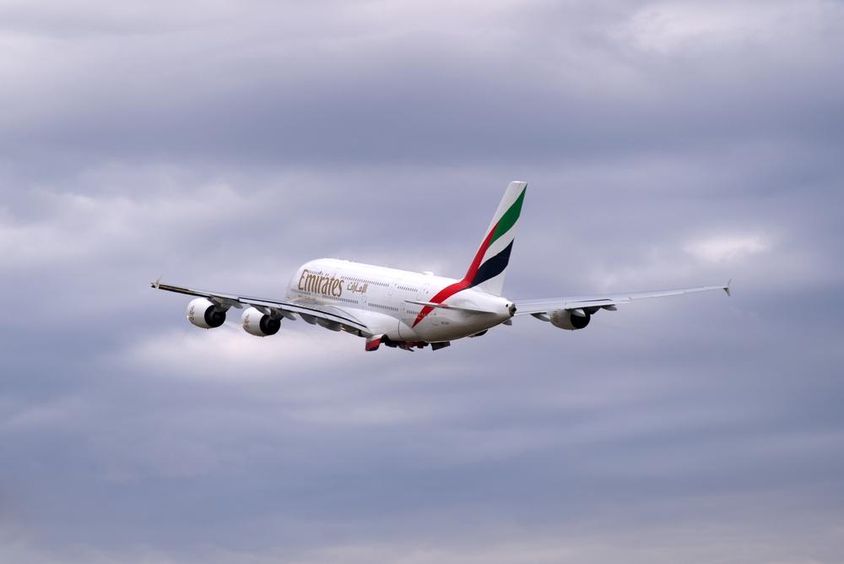
Dubai-Salalah Flight: New Air Link for Khareef Season
The region's air travel reaches another significant milestone: starting from July 3, 2026, a direct flight will connect the city of Dubai with Salalah in Oman, timed with the onset of the famous khareef, or monsoon season. This new connection is not just a seasonal opportunity but a consciously developed year-round service, operating three times a week, significantly enhancing regional mobility among GCC countries. Bookings open on February 16, 2026, well before the summer launch, indicating serious interest in this route.
Khareef: When Salalah Turns Green
In the region, Salalah is synonymous with the khareef season. From June 21 to September 20, the southern part of the Arabian Peninsula showcases a unique face: the mountains and valleys of Dhofar Governorate dress in green, waterfalls appear, and the air becomes cooler and more humid. This climatic phenomenon presents a stark contrast to the summer heat experienced in Dubai and other Gulf cities. It's no coincidence that millions travel from the region annually to experience this natural wonder.
Many residents of the United Arab Emirates choose to drive, often with family, for long hours crossing borders. The new direct flight, however, offers an alternative: a faster, more comfortable, and predictable journey, which can be especially attractive for shorter, few-day trips.
Strengthening Regional Connections
The new Dubai-Salalah route goes beyond tourism. The service's year-round operation with three weekly flights suggests a focus on long-term, sustainable regional connection, not solely centered on the khareef season. The economic life of Dhofar Governorate, local businesses, hotels, and service providers can all benefit from improved air accessibility.
The airline has consistently increased the capacity to Salalah recently. In January 2026, 20% more seats were available than a year earlier, and in the autumn of 2025, a 15% expansion was planned for the peak season. These figures clearly indicate stable and growing demand, with supply aligning accordingly.
Tourism and Economy Hand in Hand
Developing air connections always has a direct impact on the local economy. In Salalah's case, this is particularly true, as the city's tourism is strongly seasonal. During the khareef, accommodations are full, the hospitality industry's turnover spikes, and local service providers realize a significant portion of their annual revenue in this period.
The new flight not only targets residents of the United Arab Emirates but also international travelers. Dubai Airport acts as a global hub, making Salalah accessible with just one stopover for travelers from Europe, Asia, or Africa. This could attract a new, higher-spending visitor demographic to the region.
Recently launched Moscow charter flights also reinforce this strategy. Targeting the Russian market could bring thousands of new visitors to the area, providing a significant boost to tourism and commerce players.
Focus on Sustainability
In modern air transport, sustainability is increasingly emphasized. Developing regional flights can reduce the number of long individual car journeys, indirectly mitigating road traffic and emissions. Additionally, optimizing schedules and consciously increasing capacities help ensure planes operate at higher load factors, leading to more efficient operations.
The Dubai-Salalah connection, in this sense, is not only a convenience but also a structural development: the region's air transport network becomes denser and more flexible, while tourism growth occurs in a controlled and planned manner.
Flexibility All Year Round
Although the khareef is the most spectacular period, Salalah is not only an attractive destination for three months. During the winter months, travelers enjoy pleasant, moderate climates, along with coastal, cultural, and natural attractions year-round. Maintaining three weekly flights means the route is not a seasonal experiment but a long-term strategic decision.
Plans include adjusting the schedule during the Ramadan month according to travel demands, providing further flexibility for passengers. This is particularly important in the region, where holiday periods significantly influence travel habits.
Competition and Opportunity in the Region
The air competition among GCC countries intensifies year by year. Developing short-haul regional flights is of strategic importance, ensuring smooth business, tourism, and family connections. The Dubai-Salalah route fits into this trend: it strengthens economic and social ties between the two countries while opening new opportunities for travelers.
The growing demand, capacity expansions, and opening up new markets all indicate that Salalah's position on the region's tourism map is stabilizing and strengthening. The direct Dubai flight can play a key role in this.
Summary: A Strategic Step Into the Future
The direct Dubai-Salalah flight launching on July 3, 2026, is much more than a new route in the timetable. It's the result of a conscious, data-driven decision responding to growing demand, supporting sustainable tourism, and strengthening regional connections.
The khareef season remains Salalah's biggest attraction, but the year-round flights elevate the city's accessibility to a new level. For the region's travelers, this means a faster and more convenient alternative, while for the local economy, it offers a more stable and predictable growth path.
In this case, air transport is not just a means of transportation but an economic and tourism catalyst. The new connection between Dubai and Salalah reinforces this role in a dynamically developing region.
If you find any errors on this page, please let us know via email.


