Dubai Gold Prices Climb Amid Market Trends
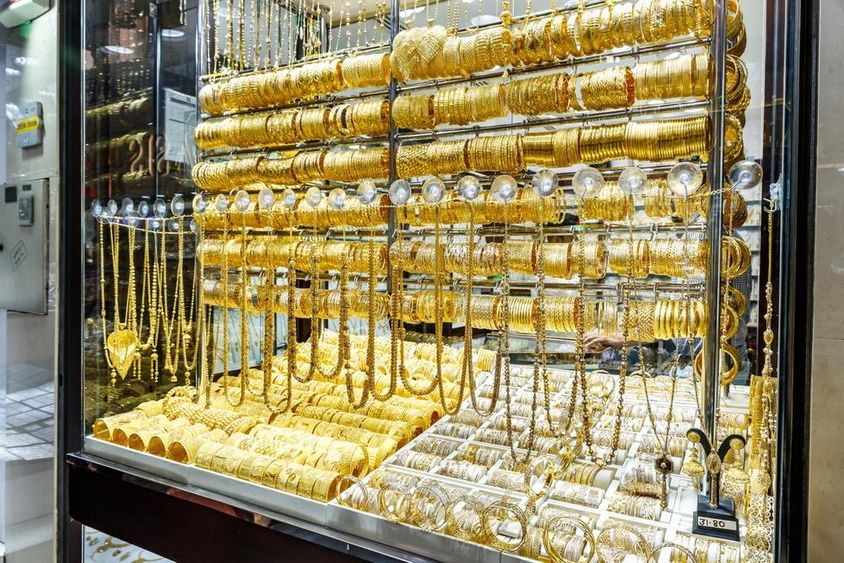
Gold Prices Surge in Dubai, Silver Weakens
Gold prices began the day with an increase in the Dubai market, while silver value fell in international trading. Investors are focusing on geopolitical tensions in the Middle East, uncertainties surrounding the US-Iran conflict, and diplomatic negotiations between the United States and China. The precious metals market has been particularly sensitive to global economic and political events in recent times, which means Dubai's gold traders and investors are closely monitoring developments.
At Thursday's opening, the price of 24-carat gold rose to 566.5 dirhams per gram on the Dubai market, marking an increase compared to the previous day's closing value. The price of 22-carat gold also showed a significant rise, while the 21, 18, and 14-carat variants also increased in price. The movement in gold reflects the global trend where investors, amid an uncertain economic environment, view the precious metal as a safe haven.
Geopolitical Uncertainty Drives Markets
Currently, one of the most significant factors in international markets is the rhetoric surrounding the US-Iran conflict. The world financial markets are sensitive to any event that could affect the stability of the Middle East, especially when energy prices and the security of global trade routes may become questionable.
Gold traditionally strengthens during periods when investors perceive stock or currency markets as risky. This is particularly evident in Dubai, a city that has become one of the world's most important gold trading centers in recent years. Both the Gold Souk and modern financial centers play significant roles in precious metal trading, so local prices rapidly follow global movements.
In addition to geopolitical tensions, the rise in energy prices also contributes to the growth in demand for gold. When oil and gas become more expensive, inflationary pressure increases, leading many investors to see gold as one of the safest forms of wealth preservation.
China-US Meeting Affects Gold
Investors' attention is also focused on high-level negotiations between the United States and China. The Chinese visit is considered an important event both diplomatically and economically, as the relationship between the two countries has a significant impact on the global economy.
Financial markets closely watch any meeting that could affect future trade relations, tariffs, or technological collaboration. When uncertainty increases in global economic relations, gold prices often start to rise as investors seek more stable assets.
For Dubai, this is particularly important because the emirate's economy is heavily connected to international trade. The city is simultaneously a financial, logistics, and trade hub, so global economic processes directly influence local markets.
Central Banks Continue Buying Large Quantities of Gold
One of the strongest supports for the gold market is currently the demand from central banks. World central banks continue to purchase significant quantities of the precious metal, ensuring stable long-term demand in the market.
According to data from the World Gold Council, in the first quarter of 2026, central banks bought a net 244 tonnes of gold, marking a three percent increase year-on-year. This value also exceeded the average of the past five years, indicating that central banks continue to view gold as an important reserve.
The wave of purchases by central banks primarily stems from reserve diversification. Many countries aim to reduce their dependence on the dollar while seeking more stable assets amid international economic uncertainty. From this perspective, gold continues to play a prominent role.
Dubai's gold trade also benefits from this global trend. The emirate's geographical location, advanced logistics system, and low taxes make it one of the world's most important gold distribution centers.
The Complex Impact of Inflation and Interest Rates
Recently, gold prices have not always reacted straightforwardly to US inflation data. Previously, high inflation often weakened gold because interest rate hikes strengthened the dollar and increased bond yields. However, now the market reacts more complexly.
Investors increasingly see that high inflation alone is no longer sufficient to weaken gold, especially when geopolitical tensions and economic slowdown risks are present. In such an environment, the role of gold as a safe haven comes to the forefront again.
In Dubai, this trend is also evident in consumer purchases. Many buyers not only view gold as jewelry but also as a long-term value-preserving investment. The emirate particularly favors 22 and 24-carat gold, often used for gifting and savings purposes.
Silver Weakens in the International Market
While gold prices increased, a decline was visible in the silver market. The price of silver per ounce showed nearly a two percent decrease, partly due to profit-taking and partly due to uncertainties related to industrial demand.
Silver is in a unique position because it is both an investment and an industrial metal. The electronics, solar panel, and technology industries use significant amounts of it, so a slowdown in industrial production can directly affect its price.
Nonetheless, many analysts believe that silver still holds strong potential in the long term, especially due to the expansion of the renewable energy sector. In Dubai, there is stable demand for silver jewelry and investment products, although gold continues to dominate the local market.
Dubai May Remain a Global Gold Hub
In recent years, Dubai has built a very strong position in international gold trading. The city is not only a tourist center but also one of the Middle East's most important financial and commercial hubs. Gold trading plays an especially important role in the economy, with a vast amount of precious metal passing through the emirate each year.
The favorable tax environment, modern infrastructure, and international trade relations all contribute to making Dubai remain an attractive destination for gold investors and traders.
Based on the current market environment, gold is expected to remain volatile in the short term, but the medium-term outlook seems strong. Geopolitical uncertainties, central bank purchases, inflation fears, and global economic risks are all factors that continue to support the price of the precious metal.
In the Dubai market, interest in gold is expected to remain active in the upcoming period, while investors continue to seek stability in a rapidly changing global economic environment.
If you find any errors on this page, please let us know via email.


