Dubai Aviation: Pioneering Global Standards
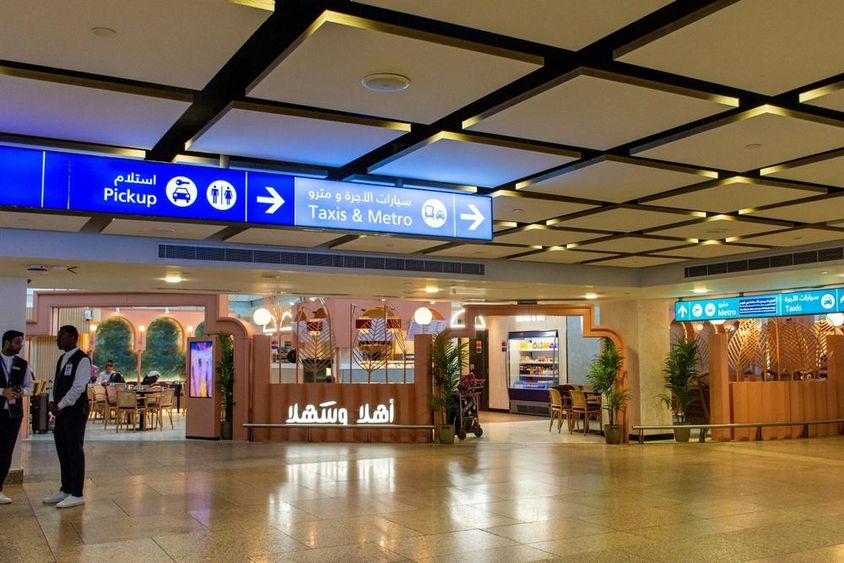
Dubai's Aviation Revolution: Shaping New Global Standards
Dubai's airports and aviation systems have set a new benchmark not only regionally but globally in recent years. The city's leadership and strategic partners, particularly the flagship Emirates airline, have deliberately built an innovation environment that now serves as a global example. The goal is clear: to create a contactless, biometrics-based travel experience that is fast, seamless, and secure.
A Contactless Future: The Dubai Airport Experience
Dubai has been testing and implementing technologies for years that other countries — especially EU member states — have adopted slowly or not at all. Facial recognition-based entry, automated security checks, and RFID-based baggage tracking are no longer novelties in the city. Passengers can, in some instances, complete arrival or departure processes without direct contact with any official personnel.
This approach significantly reduces wait times and became particularly valuable after the pandemic. While many European airports still require paper-based documents, Dubai has long relied on digital biometric records.
Different Speeds of Development: EU vs. Dubai
The technology that enables contactless travel is not new. What's missing, mainly in Europe, is strategic commitment, infrastructure, and regulatory harmonization. In Dubai, these three factors function in unity: regulation encourages innovation, infrastructure supports rapid implementation, and political will ensures continuous development.
This coordinated operation has led Dubai not only to follow but also to shape global aviation trends.
Is the Space Industry Disrupting Aviation? Yes, and Significantly
In recent years, a new challenge has emerged: commercial space launches. Private companies such as SpaceX or Blue Origin are launching satellites or conducting test flights more frequently. These launches, if any problem arises, can disrupt aviation within thousands of kilometers, causing shutdowns and reroutes.
For Dubai and other affected regions, this means reconsidering airspace management. While current technology, combined with appropriate international coordination, can handle these situations, collaborative action will become increasingly urgent in the future. The boundary between the space industry and aviation is becoming increasingly blurred.
A New World Order for Air Traffic Management
The Middle East, particularly the United Arab Emirates and Qatar, sets an example of effectively modernizing air traffic systems. They are already using advanced airspace management technologies that are still in the pilot phase in the EU. This allows for safe handling of dense air traffic with minimal delays and a high level of predictive capacity.
In Europe, however, structural fragmentation still poses difficulties for unification. National interests often cross over each other, hindering the integration of digital systems.
Dubai's Example: A Strategic, Not Technological Success
It's important to highlight that technology is available almost everywhere. What truly distinguishes Dubai is the vision and its consistent execution. The emirate not only invests but continuously tests, improves, and elevates the travel experience to a new level. The goal is not high technology for its own sake but maximizing passenger comfort and efficiency.
This commitment has enabled Dubai to maintain smooth operations as one of the world's busiest international airports, whether under normal schedules or extraordinary situations.
Closing Thoughts
The future of aviation depends not on airplanes but on system integration, regulation, and the digital experience. Dubai is currently playing a leading role in this area. In the coming years, the question will not be whether other countries follow this model, but how quickly they can adopt it if they don't want to fall behind in the global travel race.
If you find any errors on this page, please let us know via email.


