Dubai Air Taxi: Affordable Future Transport
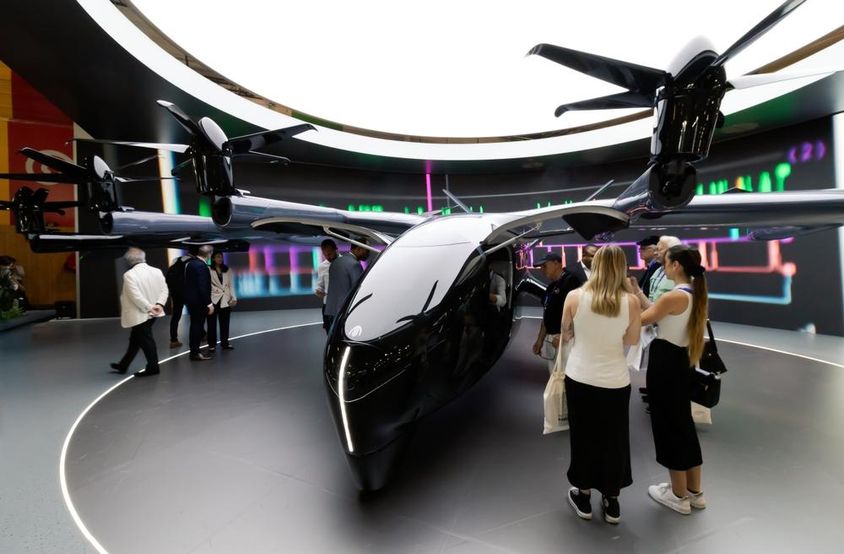
Dubai air taxi will only be successful if affordable for the general public
Dubai is once again looking to the future, this time in terms of transportation. The city, already known as one of the most innovative in the world, is working on the practical implementation of a technology long featured only in sci-fi: the introduction of air taxis. However, the goal is not just a technological spectacle. Forward-thinking decision-makers and industry players have made it clear: air taxis will only become a real and widely used mode of transport if they are safe, comfortable, and above all, affordable.
The future of transportation will not be luxury
The CEO of Skyports, an air mobility company, stated clearly: the new technology is not a rethinking of the helicopter market, it is not a toy for the wealthy. The air taxi system will be another public transport service for Dubai, available to anyone – not merely as a one-off experience, but for daily use. However, it is essential that the cost of travel is not only accessible to the wealthy elite.
The aim is for the passenger not only to enjoy the stunning views while flying over the city but to receive a real alternative to busy city roads. For Dubai, this is not just a technological demonstration but a strategic response to the challenges posed by the city's growing population and infrastructure.
The establishment of a vertiport network is already underway
The foundation of the air taxi system is the "vertiports" – these are special landing sites specifically designed for vehicles capable of vertical take-off and landing, such as electric eVTOLs (electric vertical take-off and landing aircraft). Skyports has already built several such vertiports, and in cooperation with the Road and Transport Authority (RTA), more are being constructed.
Although the exact locations have not been disclosed, it is certain that one vertiport near Dubai International Airport is already 60 percent complete. Additional sites are planned near the Zabeel parking area next to Dubai Mall, close to the American University in Dubai, and next to Palm Jumeirah.
The demand is there – but the supply is still limited
The technology and public interest are already present, but the industry's development still depends on regulatory approvals and production capacity. In the initial years, the system's capacity will not be determined by demand but by the limited number of vehicles. The air taxi vehicles must comply with federal and local aviation safety authority regulations before they can be manufactured and marketed.
This preparatory period is crucial for long-term success. As the vehicle fleet expands, the service will become available at more locations and times, enabling daily commuting by air.
Integration with existing platforms – Uber also plays a role
Efforts are being made to make the service easy and convenient to use. In the future, passengers can book the air taxi via the Uber app – on the same platform that millions already use for ground rides. This integration could provide a significant advantage for user experience and contribute to air taxis becoming a natural part of urban mobility.
The first successful test flight has already taken place
In November 2025, Joby Aviation and the RTA jointly conducted the first successful eVTOL air taxi flight within the UAE. The 17-minute journey commenced from the Joby Margham test facility and arrived at Al Maktoum International Airport – a distance that would typically take around 50 minutes by car. This illustrates the potential of the technology to radically reduce daily travel times.
Dubai: A city of realized visions
Like many other large cities, Dubai faces transportation challenges due to rapid population growth. What sets it apart is the long-term planning and the ability for different stakeholders – government, private sector, and regulators – to work together in a coordinated and effective manner to achieve goals. This city is not just dreaming about the future; it is taking steps to realize it.
The introduction of the air taxi system reflects this mindset. Having the technology is not enough – success hinges on strategic execution, ensuring affordability, and building the necessary infrastructure. Dubai exemplifies how, when a city takes the future seriously, seemingly impossible things can become reality.
Summary
The appearance of air taxis in Dubai's skies is not only a technological milestone but could also mark the beginning of a new era in transport. However, it requires not just exciting flights, but real usability, accessible prices, and adequate infrastructure. Dubai is currently taking all three prerequisites seriously – and once again, it seems to set an example to the world in how to make the future part of the present.
(Source of the article based on Skyports' announcement.)
If you find any errors on this page, please let us know via email.


