Citibank's UAE Branch Closures: Why It Matters
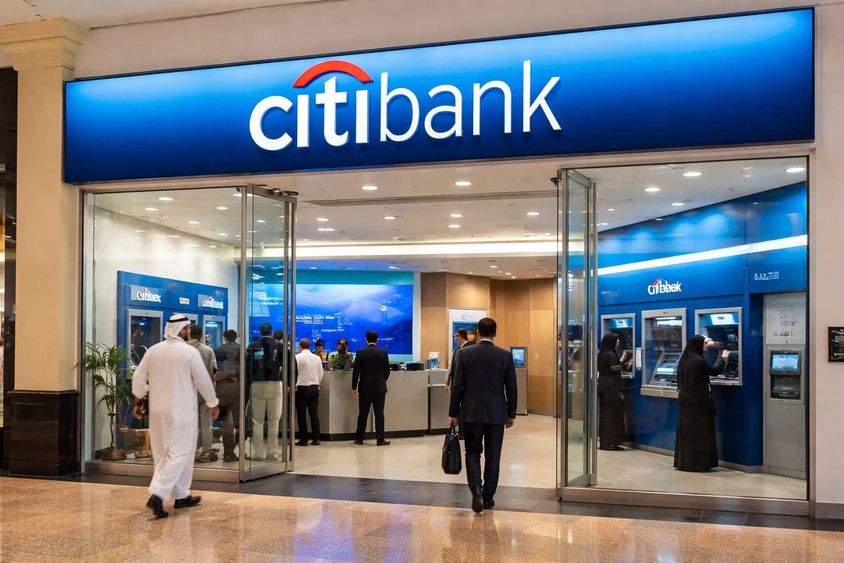
Citibank Temporarily Closes Branches in UAE
Operational changes occasionally impact retail and corporate clients in the UAE's financial sector. The latest announcement from Citibank revealed the temporary closure of several branches in the country, with a delay in previously planned re-openings. The bank emphasized that these closures are effective "until further notice," with no specific date set for returning to normal operations.
This decision has drawn attention from many clients, as the banking system in the UAE is one of the most stable and advanced in the region. The situation reflects the broader trend of financial services shifting towards digital solutions, altering the role of physical bank branches.
Temporary Closures Across the Country
According to Citibank's official statement, multiple branches and financial centers have suspended operations in the UAE. Earlier, the bank informed clients that the branches would reopen on Monday, March 16, but later revised this plan.
The latest information indicates that most branches will remain closed for the time being, with no known timeline for the full network's resumption. However, one key branch remains operational, maintaining in-person services.
This branch is located in Dubai's Mall of the Emirates, one of the busiest and most well-known commercial centers in the city. The bank's decision suggests that locations with the heaviest customer traffic continue to operate while suspending others temporarily.
Operations of the Dubai Mall of the Emirates Branch
The Citibank branch in Mall of the Emirates currently operates during the following hours:
Fridays: 10:00 AM to 12:30 PM
Monday to Thursday, and Saturday: 10:00 AM to 4:00 PM
These hours differ from previous routines, indicating a temporary operational schedule. Importantly, the branch will be entirely closed during the Eid holiday.
Eid is one of the most significant religious and cultural celebrations in the region, and service restrictions during this period are not unusual. This year, however, temporary closures highlight the emphasis on alternative transaction channels due to the circumstances.
Encouragement of Digital Banking
Citibank has advised its clients to prioritize using online services over in-person branch visits. The bank particularly promoted its Citibank Online platform and the Citi Mobile app, which can perform most banking tasks.
In the UAE, digital banking has been widespread for years, with a significant portion of the population managing finances via mobile applications for transactions, account management, or card operations.
Banks, therefore, face a shifting role for physical branches, turning into venues for complex financial advice or specialized services, while everyday banking happens online.
Limited Phone Support Capacity
The bank also informed clients that the Citiphone service is operating with limited capacity. This means that while phone support is available, service times may be longer than usual.
This restriction can be challenging for those needing urgent banking assistance by phone. Therefore, the bank reiterated that online banking platforms currently provide the fastest and simplest solutions.
These systems allow for balance checks, transfers, card management, and more, keeping branch closures mostly unnoticed for many clients.
Delays in Check Processing
The bank also issued a warning regarding check processing. Checks deposited after 10 AM on March 11 will face processing delays.
This delay primarily affects businesses and clients still reliant on paper payment instruments, even as checks decline globally. In the UAE, they remain common for rent agreements or business transactions.
The bank advised clients to plan for extended processing times and, where possible, switch to electronic payment methods.
Banking System Remains Stable
It's important to note that the temporary closures of branches do not indicate operational issues or financial difficulties for the bank. The UAE's banking system is among the world's most stable financial infrastructures.
The country's economy is highly diversified, with the financial sector playing a key role in regional trade, investments, and global financial flows. Dubai's financial center is particularly crucial in the Middle East's economic system.
Banks often introduce temporary operational changes due to technical upgrades, security measures, or organizational restructures.
Future Banking is Increasingly Digital
The current situation illustrates the future of banking services. The rise of digital banking is reshaping the operations of financial institutions globally.
The UAE leads this transition, with both government and the financial sector supporting the development of online services, the spread of electronic payment systems, and the usage of mobile banking solutions.
Dubai, for instance, is one of the region's most advanced financial technology hubs, where digital payment systems, fintech firms, and innovative banking solutions rapidly proliferate.
Thus, Citibank's temporary branch closures are not just a short-term operational change but also indicative of the global banking system's trajectory.
In the coming period, further developments and new digital services are expected to emerge in the country's financial market, making banking in the UAE even easier and faster.
If you find any errors on this page, please let us know via email.


