11-Hour Delay Leaves Passengers Stranded
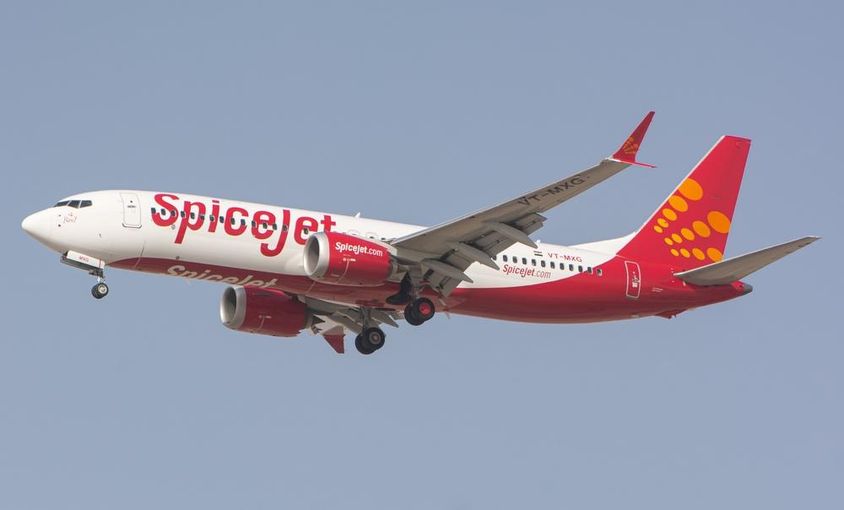
SpiceJet Jaipur–Dubai Flight: Canceled After 11-Hour Delay, Passengers Stranded at Airport
The story of a flight between Jaipur and Dubai has once again drawn attention to the vulnerable position passengers can find themselves in when a flight is delayed for hours and then ultimately canceled. The case of SpiceJet's SG-57 flight was not just a technical or operational hiccup but a daily chronicle filled with uncertainty, tension, and discomfort for several dozen passengers.
Originally scheduled to depart Jaipur International Airport at 9:40 AM, the flight was supposed to arrive in Dubai during the morning hours according to UAE local time. Most passengers arrived at the airport early in the morning, checked in on time, handed over their luggage, and were prepared for travel. However, the day took an entirely different turn.
Constantly Changing Departure Time
According to reports, passengers were informed of the initial delay relatively early, and many believed a few hours' postponement was manageable. However, the planned departure time was modified several times throughout the day. The information boards and online systems were continually updated, with the departure being pushed back increasingly. By the afternoon, it became clear that the plane would not take off until the evening at the earliest.
The new schedule eventually put departure around 8:30 PM, signifying nearly an 11-hour delay from the original itinerary. By this time, most passengers had spent nearly an entire workday at the airport. Some were heading to Dubai for business, others for family visits or onward travel. As time passed, not only did the physical fatigue increase, but so did the uncertainty.
Ultimately Complete Flight Cancellation
In the evening, however, there was another twist: the flight was completely canceled. Flight tracking sites confirmed the cancellation, dashing the last hope for many. Some passengers stated that had they been informed of the cancellation in a timely manner, they would have preferred to return home rather than spend the entire day waiting in the terminal.
Many saw the biggest issue not in the delay or cancellation itself, but in the lack of communication. Affected passengers claimed they did not receive clear and timely information about what was happening, what was causing the delay, and what to expect. In such situations, the uncertainty often causes more tension than the delay itself.
Vulnerable Passengers Outside the Terminal
Reports indicate the waiting conditions were not ideal. Some passengers reported having to wait for hours, some outside the terminal building. Among those affected were elderly individuals, women, and children, underscoring the need for adequate airport and airline support in such situations.
Timing is particularly sensitive for an international flight. Many passengers heading to Dubai were expecting further connecting flights, had hotel reservations, or were preparing for business meetings. An 11-hour delay followed by a complete cancellation could mean not only inconvenience but also concrete financial and organizational consequences.
Operational and Technical Reasons Behind the Scene
While no official statement was available at the time, airline sources cited operational and technical reasons. Such explanations are not uncommon in aviation. With aircraft, safety is paramount, so if a technical issue arises, a flight delay or cancellation is warranted.
However, from the passengers' perspective, the most critical question is transparency and quick reaction. If the problem was known in the morning, many believe it would have been justified to decide on cancellation sooner or offer alternative solutions.
What Does This Mean for Travelers to Dubai?
Demand for flights to Dubai has significantly increased in recent years. The city serves as not only a tourist but also a business and transit hub. Thus, the cancellation of such a flight can trigger a chain reaction in travel plans.
The incident highlights the importance of flexibility during international travel. Passengers should have travel insurance, monitor flight information, and respond quickly to changes if necessary. Proactive communication is crucial for airlines, especially when a flight remains in uncertain status for an extended period.
The Trust Issue in Air Travel
A flight cancellation is not extraordinary in global aviation. Weather conditions, technical issues, crew problems, or airport restrictions can all cause disruptions. However, passenger trust largely depends on how these situations are handled.
The case of the Jaipur-Dubai flight clearly shows that modern travelers expect not only safety but also precise, honest, and timely information. The greatest source of stress during prolonged waiting is often the lack of information. If passengers know what to expect, they can adapt more easily.
Lessons After a Long Day
At the end of the story, some passengers likely looked for alternative flights, while others returned to their homes and rescheduled their trips. The wasted day, however, will remain memorable for many.
The cancellation of the flight to Dubai serves as a reminder that air travel is a complex system where a single technical or operational problem can trigger a domino effect. Passenger experience, however, is not solely dependent on the schedule but also on how unexpected situations are managed.
In the future, to avoid such cases or handle them more efficiently, it will be crucial to make swift decisions, ensure transparent communication, and provide adequate support to passengers. While flying is a routine mode of transport today, a canceled flight after an 11-hour delay easily reminds us that travel still holds unpredictable turns. img_alt: SpiceJet Airline Boeing 737 MAX aircraft.
If you find any errors on this page, please let us know via email.


